Honey Butter Snack craving
Texture carries the first desire: crisp seaweed, rice cracker crunch, sweet potato softness, or sweet-salty snack energy.
- Flavor-led
- Impulse-friendly
- Snacks
- Flavor
 KFoodHunter
Snacks
A flavor-led snack guide for content that explains why sweet-salty Korean snack profiles travel well.
Food scene
Taste to pictureSweet-savory snack gives the first flavor lens, while flavor-led and impulse-friendly shape the appetite.
Table to buildCrunch snack makes the page more useful when the food is pictured beside rice, noodles, tea, snacks, sweets, or a small shared plate.
Nearby contextSeoul pop is a browsing cue, not origin proof. It helps place the food near Korean table habits, serving formats, and nearby choices.
Start with the ingredient family before narrowing by texture, format, or exact item.
Table to buildUse the table role to decide whether the food belongs as a snack, sauce, meal, drink, sweet, or pantry helper.
Nearby contextTreat the place cue as cultural browsing context, then keep exact origin and claims separate.
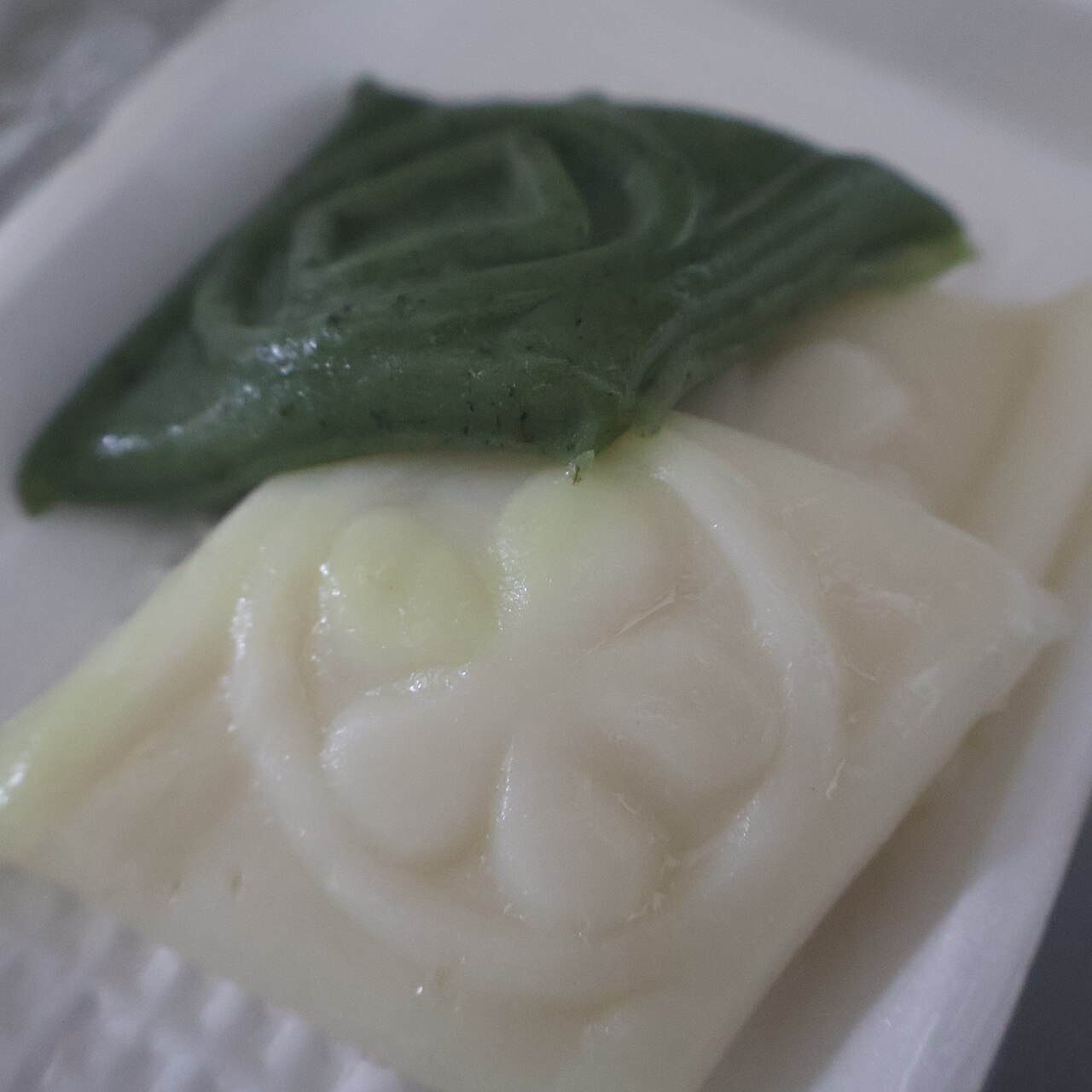
A close tteok visual for rice-cake texture, traditional sweet context, tea pairing, and giftable category education.
Food fit
Texture carries the first desire: crisp seaweed, rice cracker crunch, sweet potato softness, or sweet-salty snack energy.
The food fits best when the occasion is visible: movie night, office pantry, lunchbox side, sampler box, or small gift add-on.
Compare pack count, flavor clarity, sharing size, breakage risk, and whether the format feels solo, shareable, or giftable.
Food guide
A clear sweet-salty flavor cue makes this an impulse-friendly Korean snack format.
Office pantry and school-lunch discovery. Movie-night and party sampler boards. Low-commitment first K-food trial paths.
A useful signal for convenience retail, campus retail, and online snack bundles because the value proposition is easy to scan.
The clearest choice names dairy, honey, allergen context, and flavor variant so the sweet-salty idea feels concrete.
Food moments
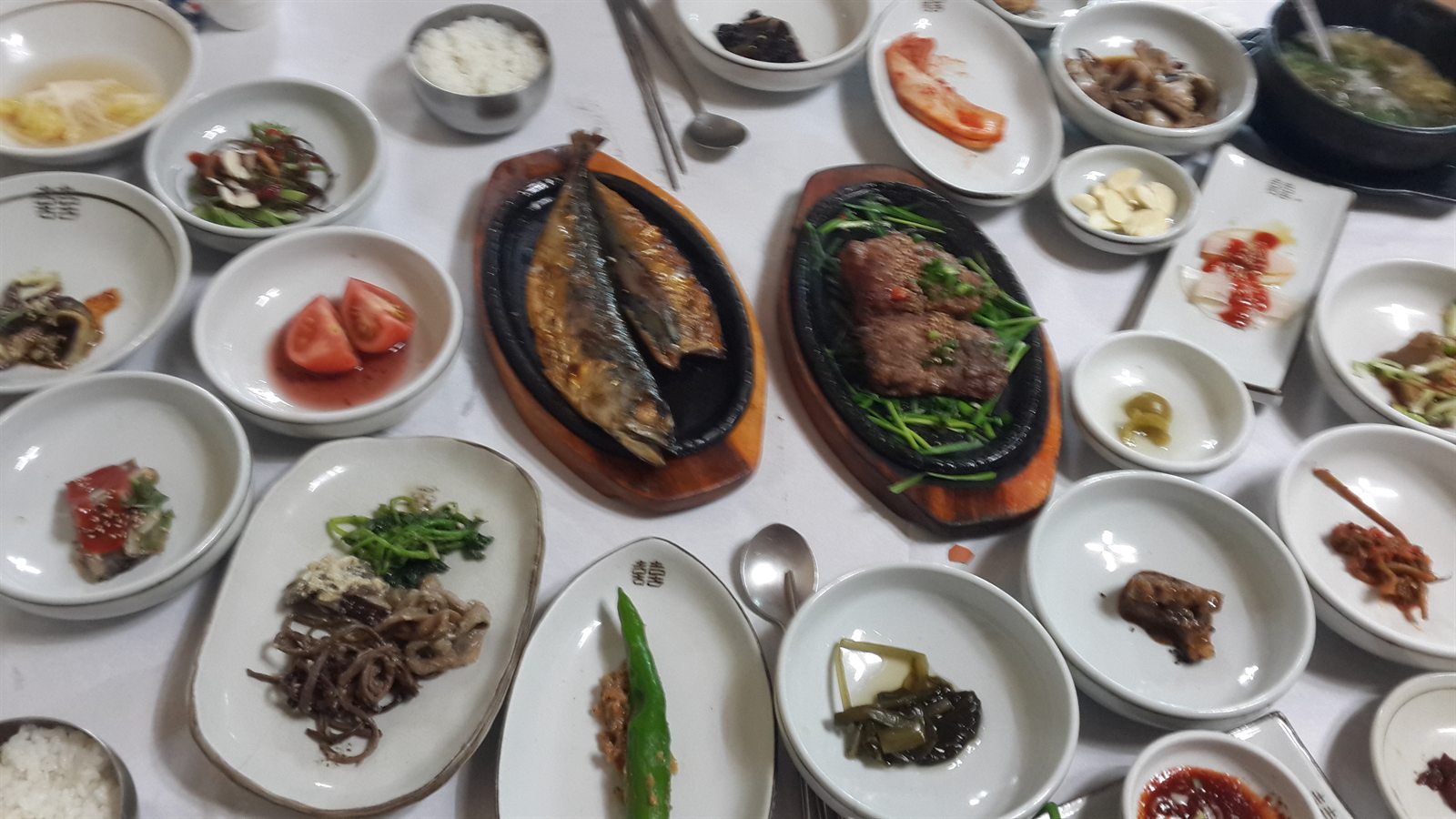
A first Korean pantry feels natural when it begins with one small table: rice or noodles, crisp seaweed, a spoon of sauce, sesame or tea, and a food that can repeat next week.
This is the low-friction moment for someone who wants K-food at home without learning a long recipe or building a full pantry at once.
The table logic comes from everyday hansik structure: rice as base, banchan nearby, sauces for direction, and tea or sweets as a quiet finish.
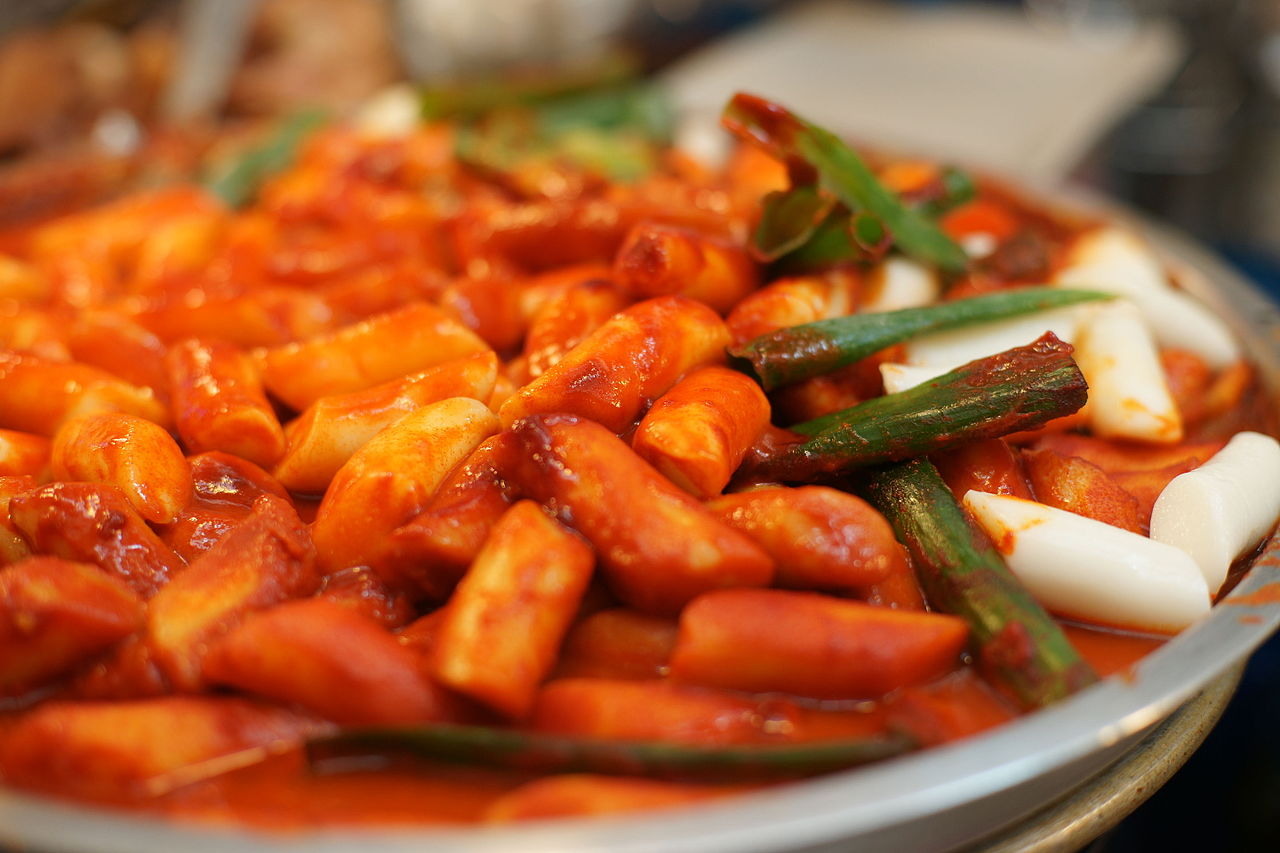
The craving is usually sauce first: spicy-sweet, glossy, warm, and easy to imagine with rice cakes, noodles, fried snacks, vegetables, or a small late-night bowl.
This is the moment created by short videos, restaurant memories, and after-work comfort when someone wants the flavor before they know the exact item.
The deeper context is Korean sauce culture: gochujang, dipping bowls, rice, vegetables, shared plates, and side dishes carrying heat across a table.
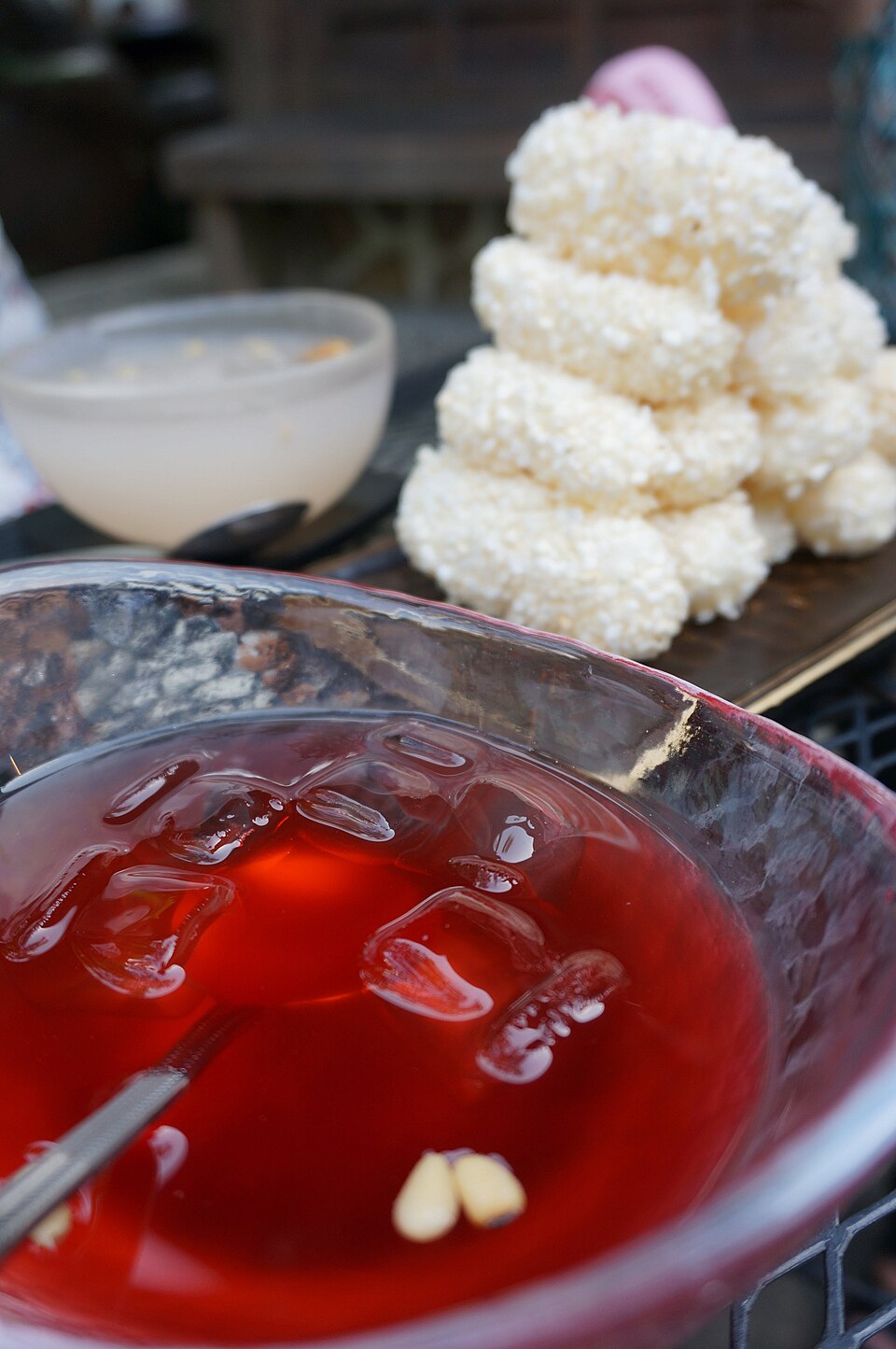
Korean tea and sweets work best when the visitor can picture texture, cup temperature, serving size, gift setting, and whether the food needs a short explanation.
This is the gift, dessert, or quiet afternoon moment: less about a cart and more about how a sweet or drink feels beside another person.
Royal-table and old-cookbook context adds depth to sweets, tea, rice cakes, and fruit beverages while keeping modern packaged foods in the present.
Atlas context
Regional cues are browsing cues, not product-origin certification.
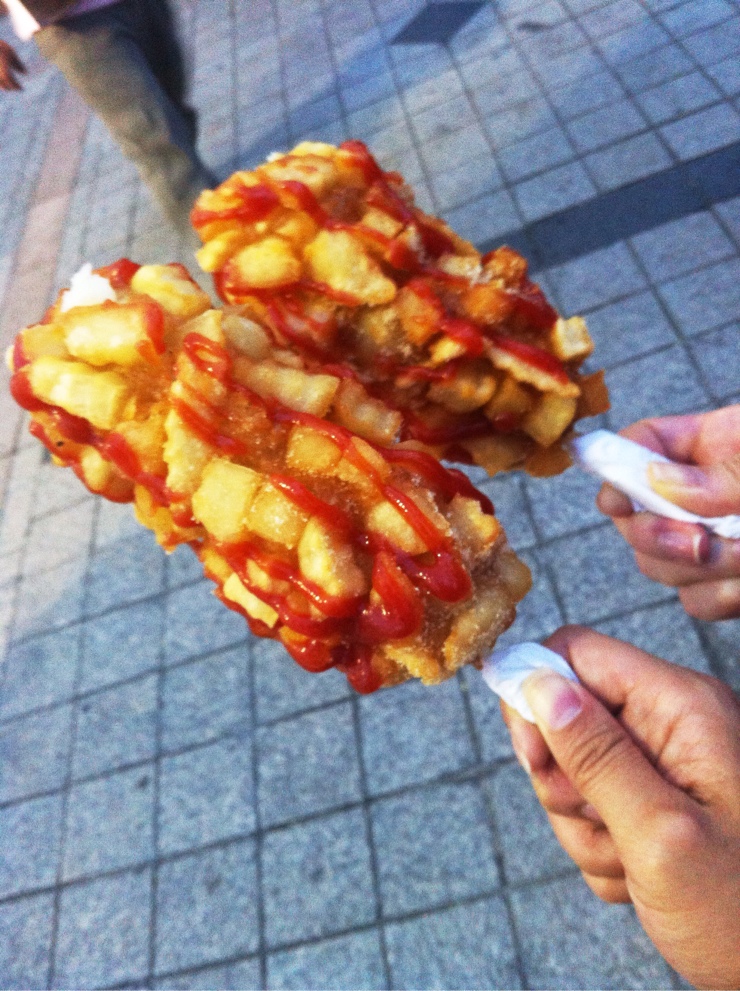
Honey-butter and sweet-savory snacks bridge familiar flavor with Korean snack pacing: open, share, compare, return later.
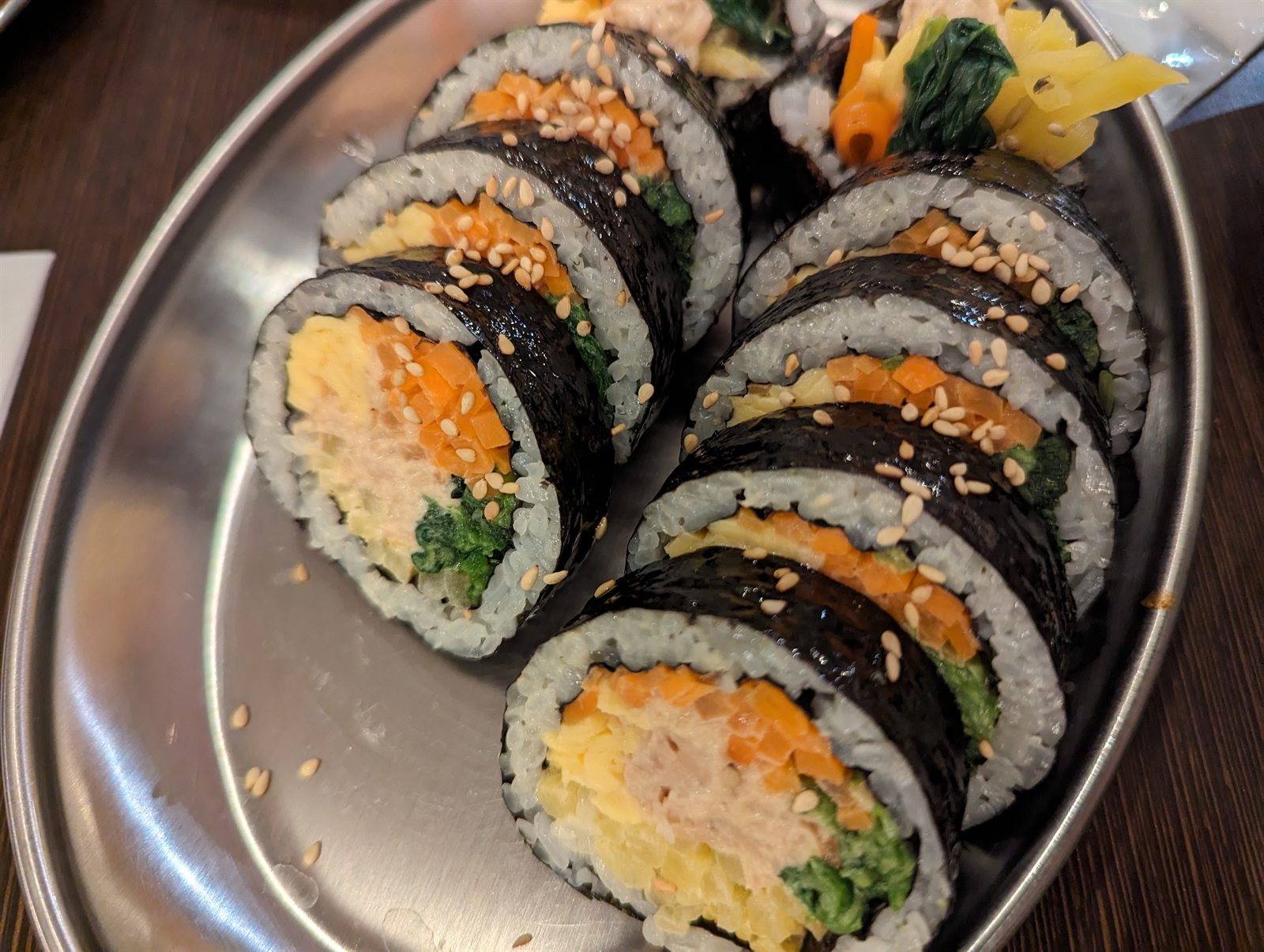
Seoul-pop cues fit ramen, candy, and bold snacks when the draw is convenience, visual flavor, and a quick first bite.
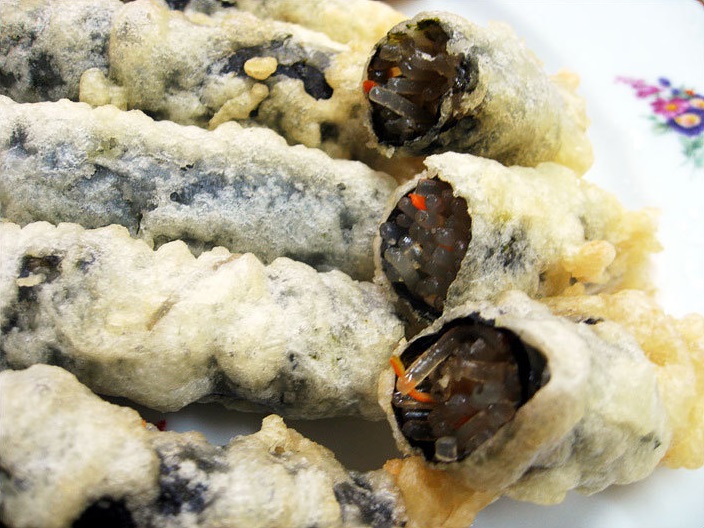
Crunch snacks need immediate cues: texture, seasoning, pack size, desk-snack fit, and whether the taste lands sweet, savory, or spicy.
Serving context
A close tteok visual for rice-cake texture, traditional sweet context, tea pairing, and giftable category education.

A neutral packaging visual for sampler boxes, giftable sweets, tea pairings, and browse-before-buy decisions.
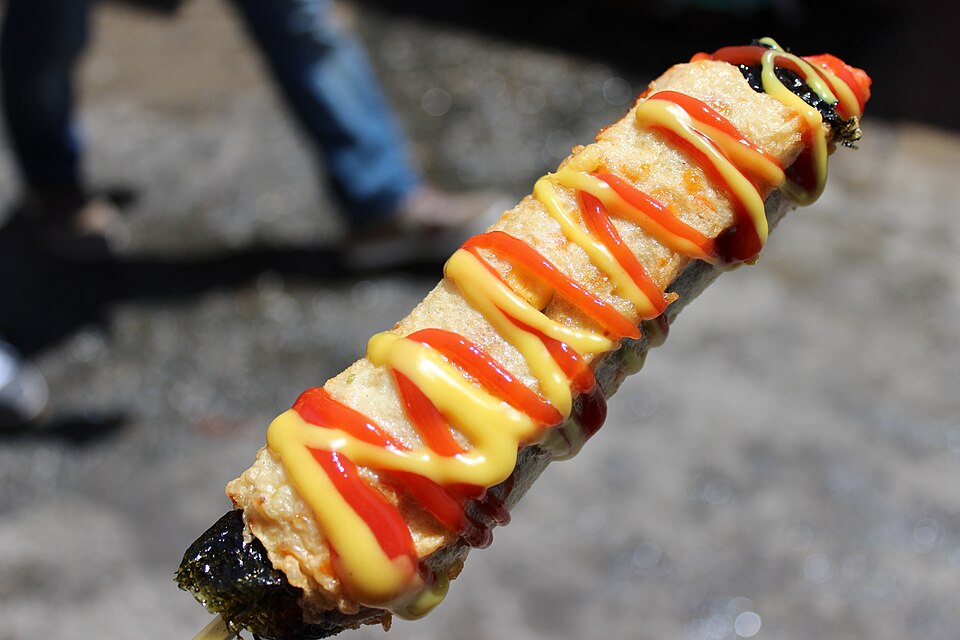
A Busan fish-cake visual that gives the snack path a regional street-food cue without treating one stall or product as proof.
Convenience retail, online snack bundles, K-food starter packs, and campus retail.
Easy first check
Food context
Stay with the craving, table fit, and nearby Korean food ideas. Any checked external path stays secondary to the food itself.
Stay near this food family when the next question is flavor, texture, serving moment, or how snacks fits with rice, noodles, tea, or snacks.
Move by ingredient, Korean place story, or table role when the category name is too narrow for the craving.
A short question can stay about taste, pack format, meal fit, or where this food belongs on the table.
Product guide
Food detail
A clear sweet-salty flavor cue makes this an impulse-friendly Korean snack format.
A useful signal for convenience retail, campus retail, and online snack bundles because the value proposition is easy to scan.
Flavor curiosity, sharing, and starter packs are stronger than trend language that can age quickly.
The clearest choice names dairy, honey, allergen context, and flavor variant so the sweet-salty idea feels concrete.
Related guides
A snack guide for building low-friction discovery around seaweed, rice crackers, sweet potato snacks, and small sweets.
consumerA guide for product choices that work well as gifts, samplers, seasonal boxes, and low-commitment discovery sets.
Nearby food paths
These paths keep the next step close to the same appetite without turning the page into a hard product prompt.
Sweet-savory snack keeps the next step close to flavor and texture. Move sideways when the ingredient is right, but the table moment needs a different format.
Seoul pop gives the food a memory path without turning place into product-origin proof. Use it to compare nearby meals, drinks, or snack scenes.
Crunch snack keeps the choice grounded in what the food does at the table. Stay with the role when appetite is clear but the exact food is still open.
Detail continuations
The next click stays close to food context before a separate sourcing note or outside listing matters.
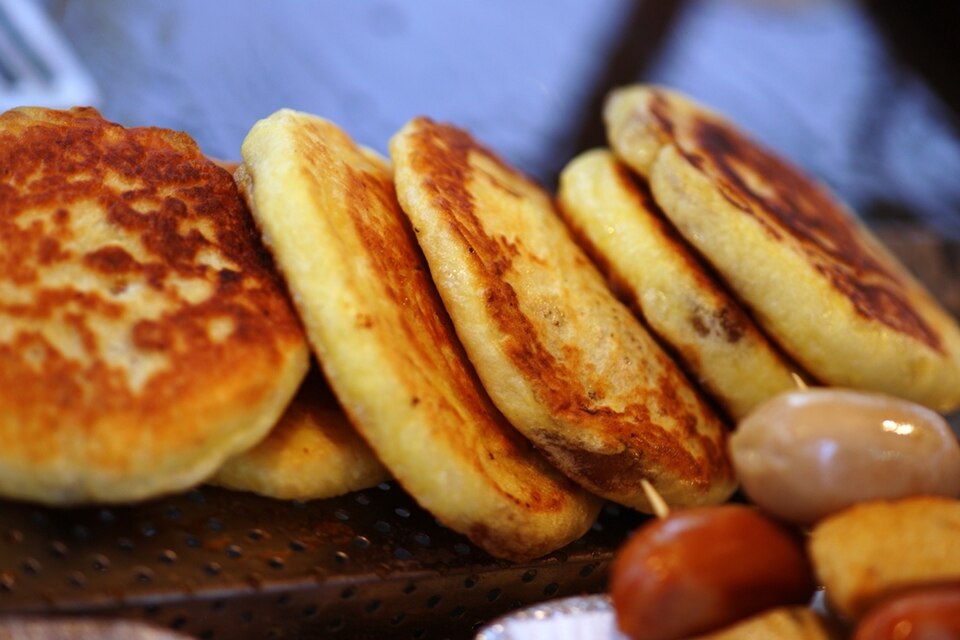
Honey Butter Snack can continue through flavor first. Stay with sweet-savory snack when taste, texture, or preparation is the clearest next question.
Seoul pop keeps the next step close to Korean food context. Regional cues are content navigation, not origin certification.
Crunch snack keeps the page connected to what the food does: snack, sauce, meal, drink, sweet, gift, or pantry shortcut.
How snack samplers can introduce K-food keeps honey butter snack connected to serving cues, nearby cravings, and category comparison before a separate sourcing question.