 17th-century cookbook
Eumsik Dimibang as a pantry-history anchor
Best for guides that explain why Korean pantry routes are deeper than modern snack trends.
Source: Korea.net / Eumsik Dimibang feature KFoodHunter
K-food guides
Guides start with food scenes: a snack table, a sauce bowl, a noodle night, a tea pairing, or a buyer question that needs clearer product information.
Guide paths
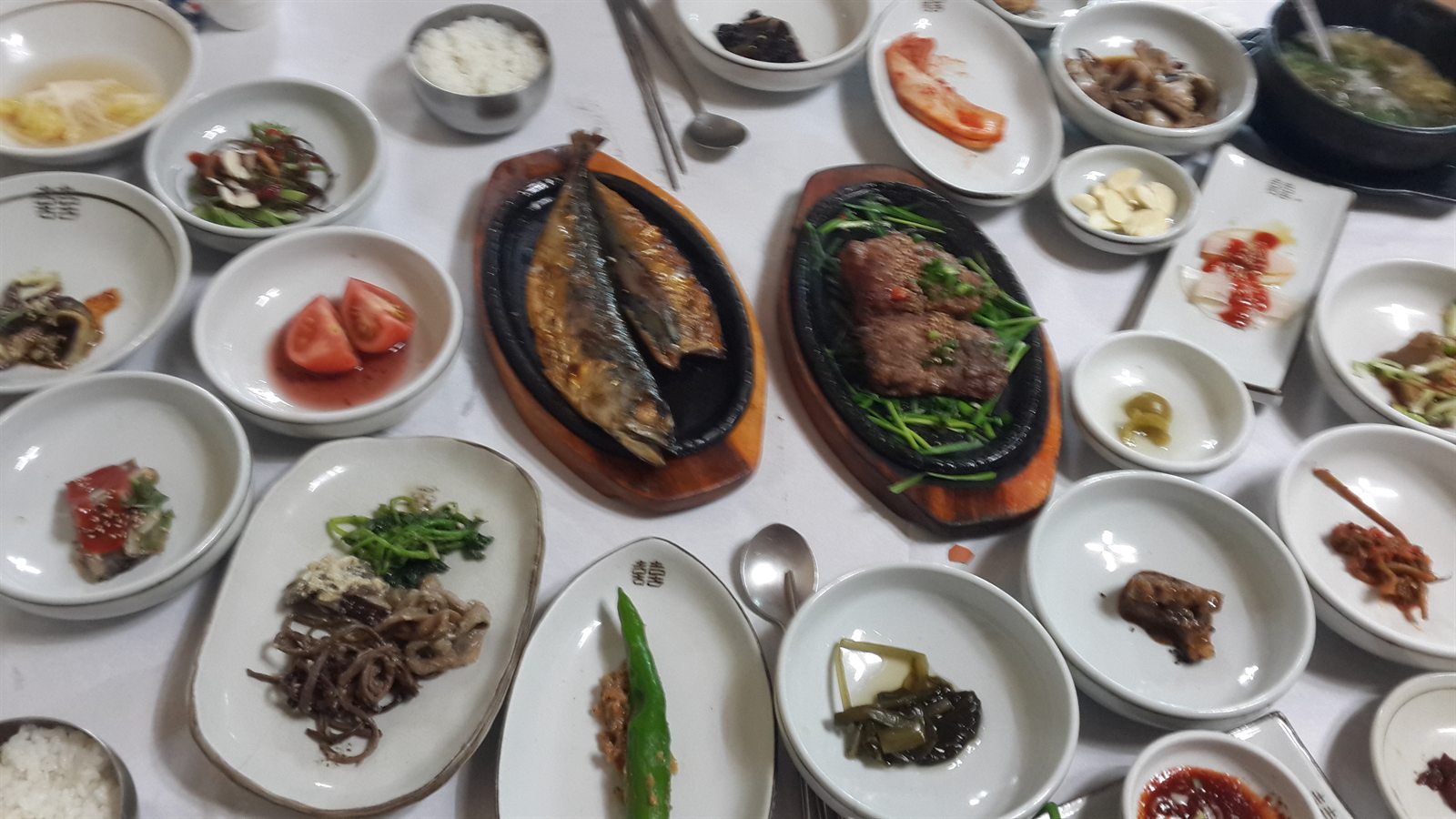
Start with a plain bowl, then add seaweed, sesame oil, sauce, or a warm drink. The guide keeps the first K-food table small enough to picture and repeat.
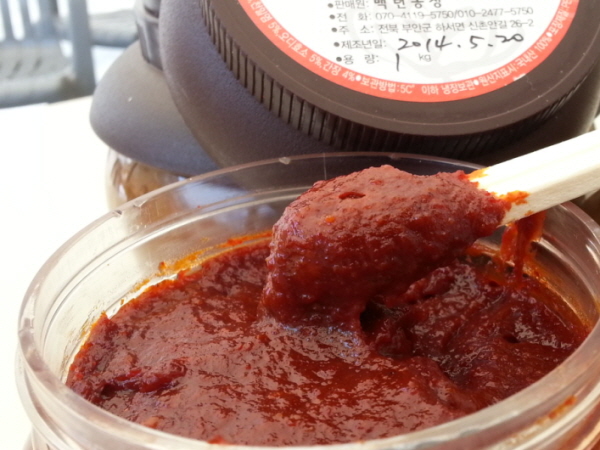
Gochujang, ssamjang, tteokbokki sauce, marinades, and sesame oil make more sense when the question is heat, dip, gloss, base, or finish.
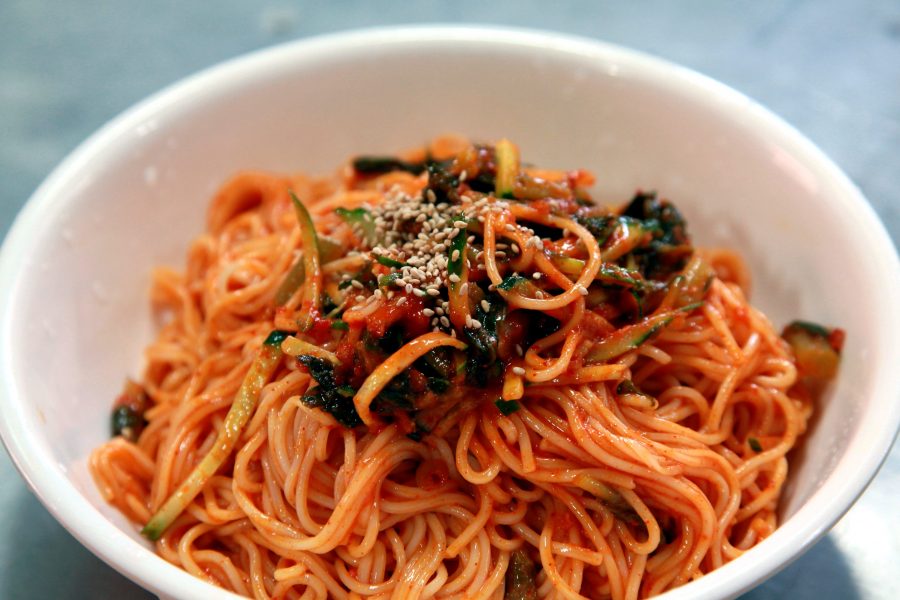
Spicy broth, black-bean comfort, cold noodles, toppings, and portion size change the whole mood. This path starts with the meal feeling, not the package.
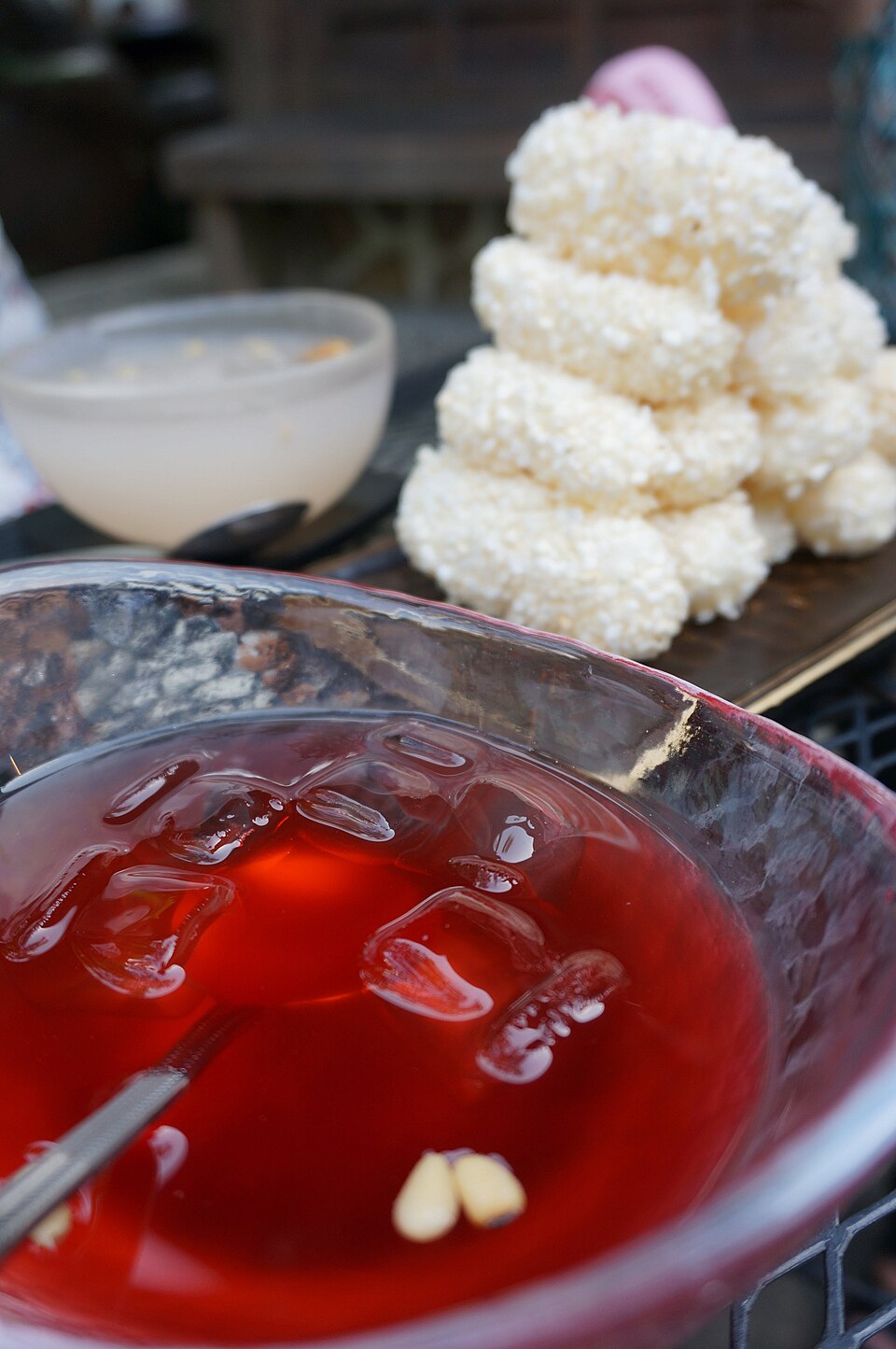
Citron-style tea, barley tea, omija, sikhye, rice cakes, yakgwa, and jelly feel clearer when texture, temperature, and serving pause come first.
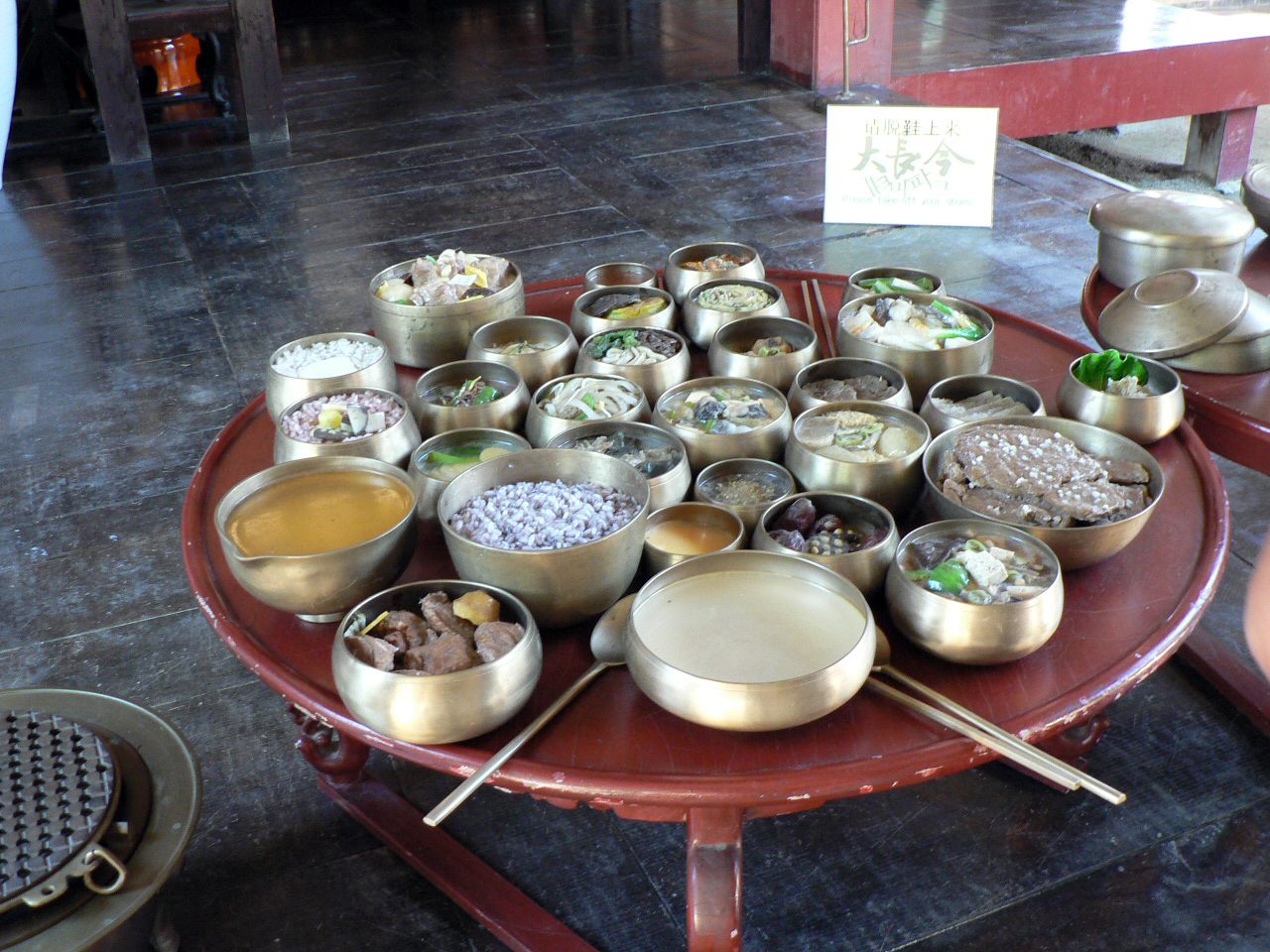
Royal-table and old-cookbook context can explain rice, banchan, sauces, sweets, and tea without turning a modern packaged food into a historic claim.
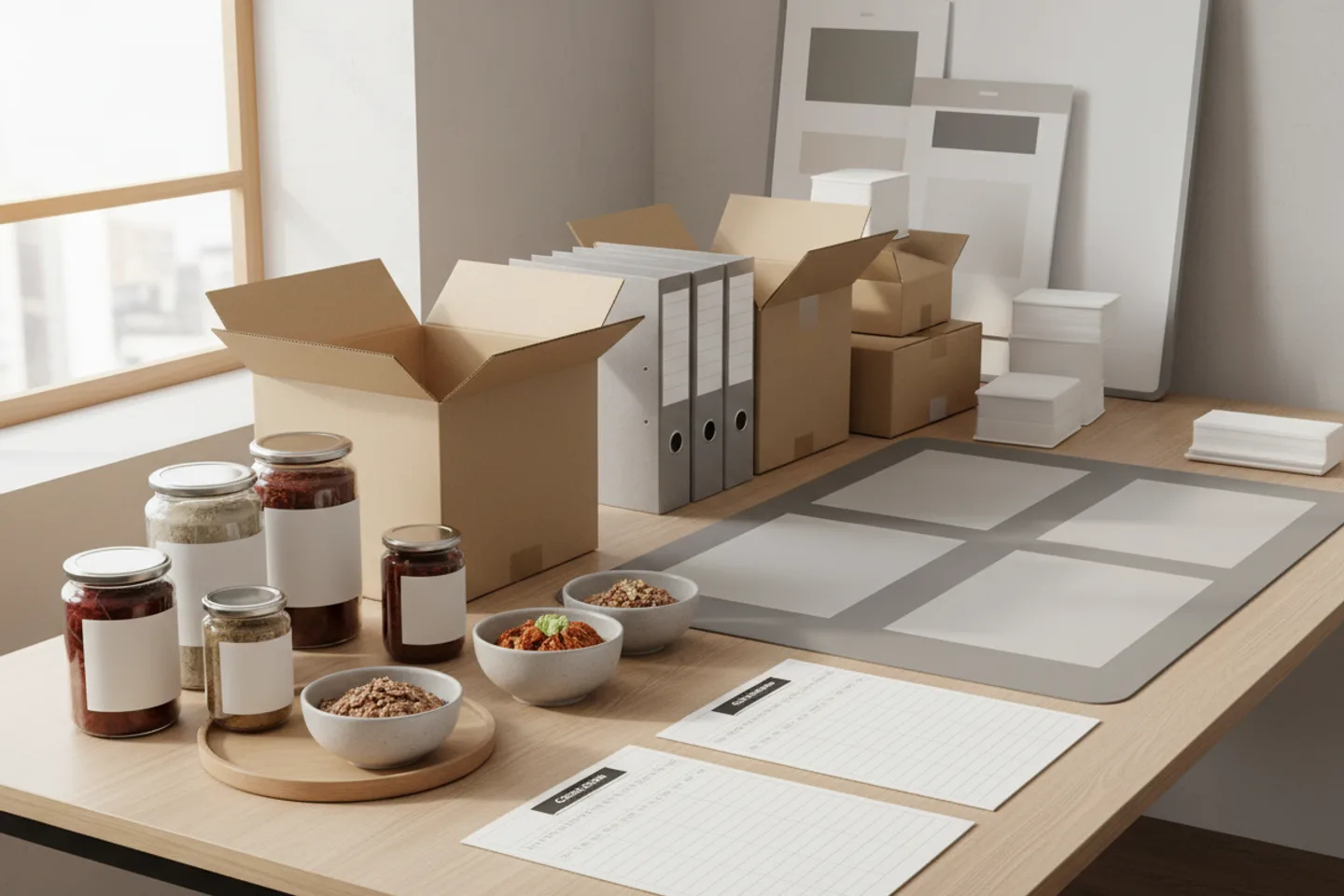
Retail, distributor, and foodservice questions become easier when market, channel, product family, timing, and document gaps are named early.
Map the food first
Choose a food path
Begin with rice, seaweed, sesame oil, a sauce bowl, noodles, or tea. The food feels easier when the first table is small enough to picture.
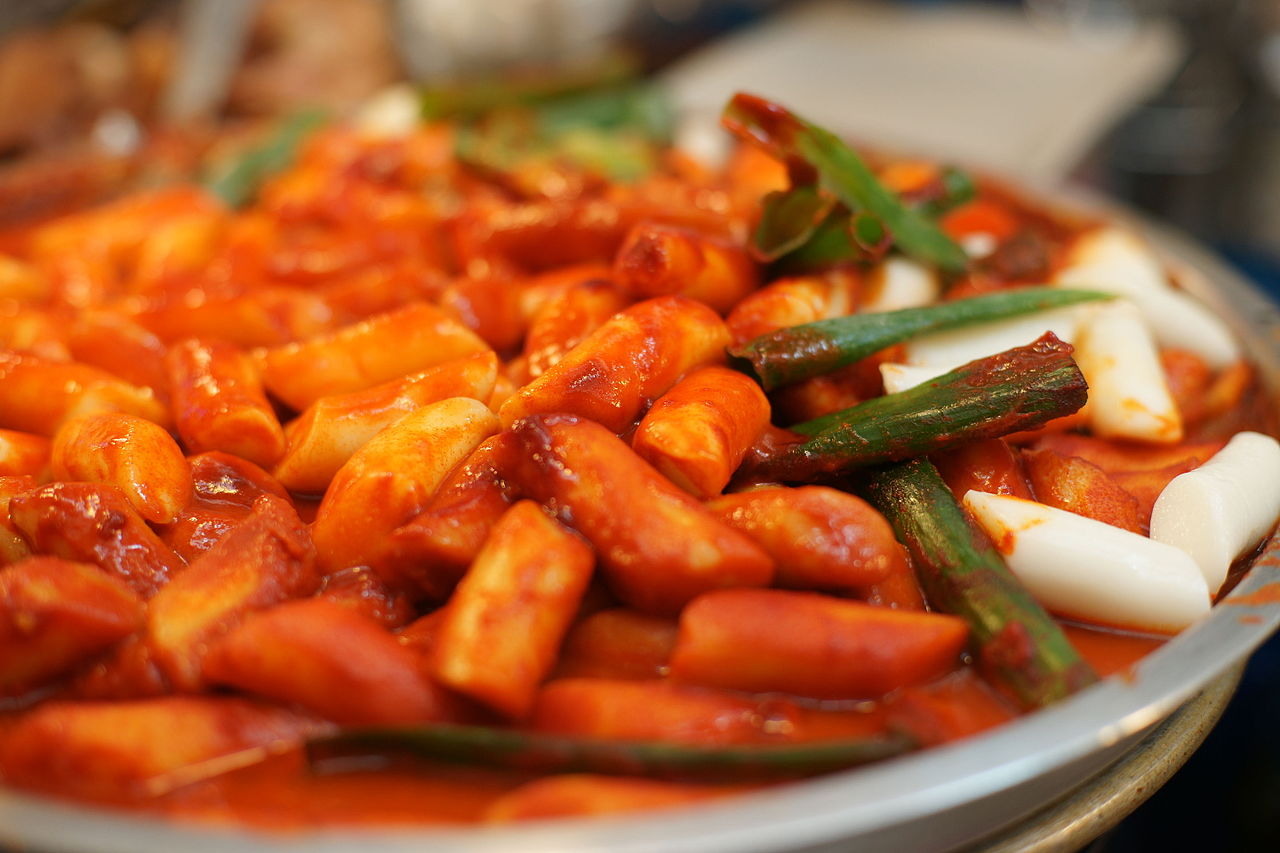
Tteokbokki sauce, spicy noodles, barbecue marinades, and fast bowls work best when heat, texture, and preparation style are visible first.
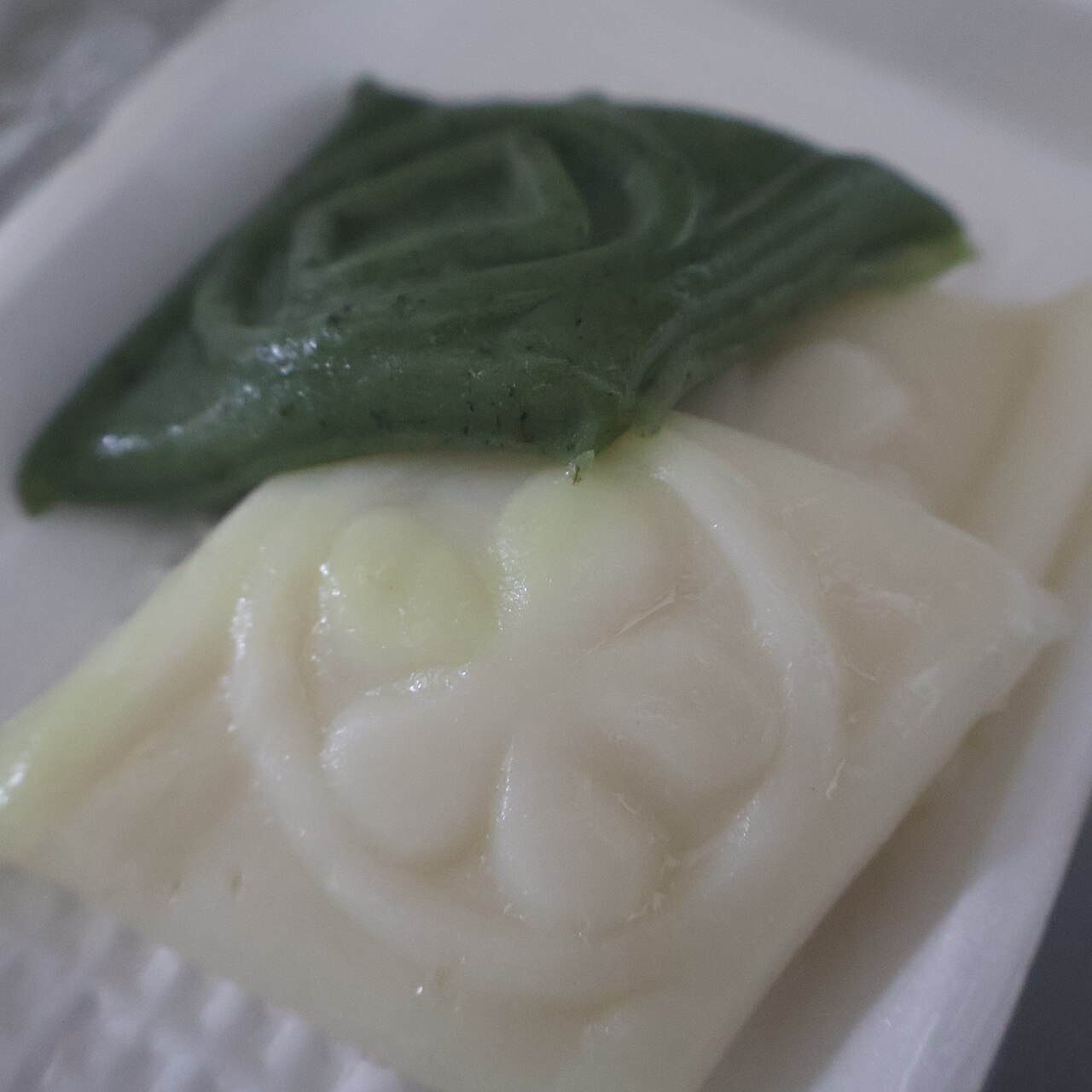
A giftable K-food choice gets clearer through texture, serving size, tea pairing, and whether the food needs a short explanation.
Royal-table and old-cookbook context adds depth to sauces, grains, sweets, tea, and banchan without turning history into a product claim.
A retail, distributor, or foodservice question needs market, channel, range, timing, pack details, and product documents before matching gets specific.
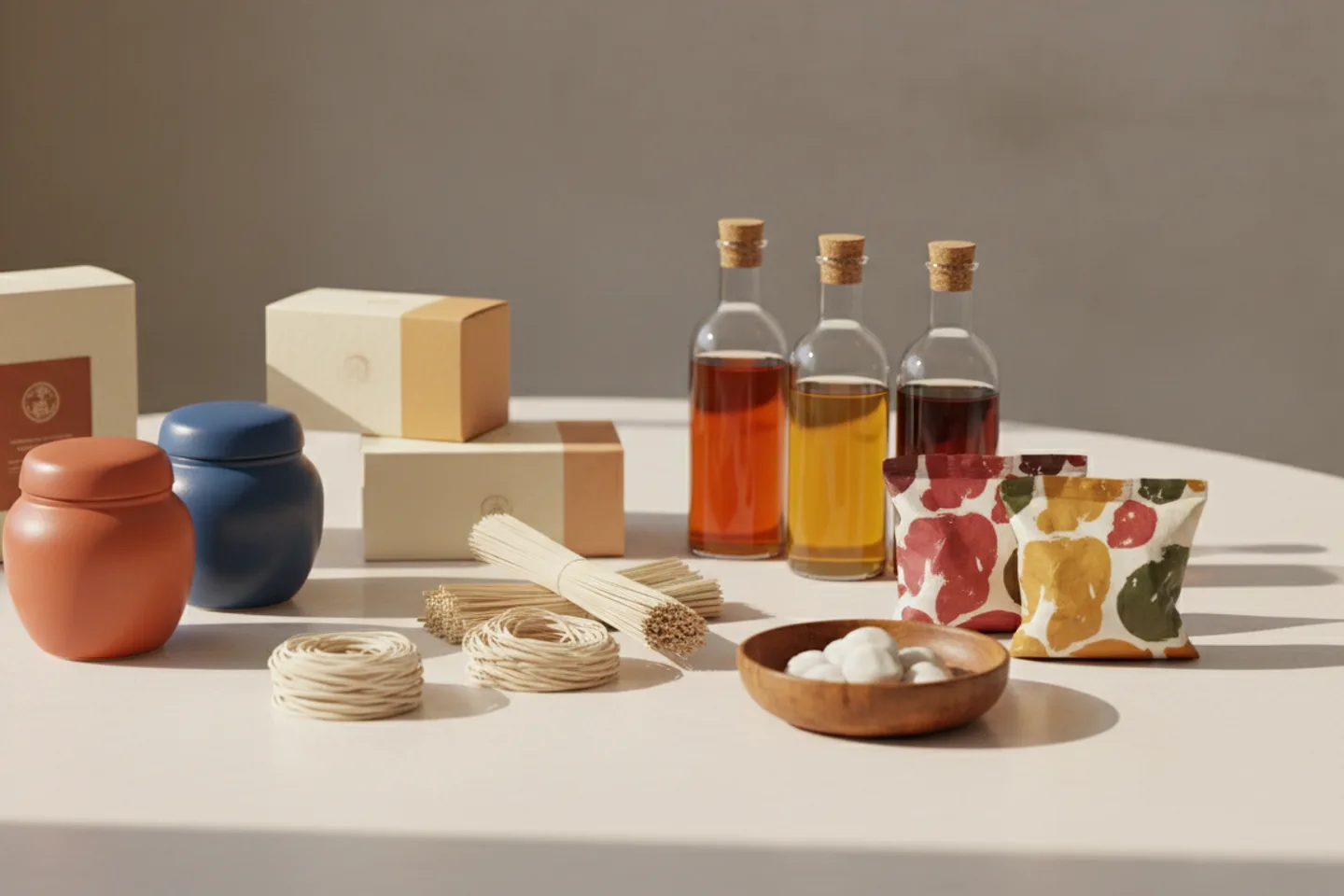
Pack format, shelf life, storage, label status, use case, and channel fit can become clearer before a product enters a buyer conversation.
When the question becomes practical
Start with market, channel, product family, range, timing, and document gaps before the question becomes supplier matching.
Turn pack, shelf life, storage, label status, and channel fit into English material that overseas contacts can understand.
Modern and traditional paths
Do you want a sauce for rice, a rice-cake night, a noodle add-on, or a snack table?
Are you choosing heat, comfort, cold preparation, portion count, or a low-prep meal?
Is the product a meal base, finishing cue, rice add-on, dry mix, or side-dish shortcut?
Will this sit beside tea, land in a sampler box, work as a party sweet, or feel like a quiet dessert?
An open-license royal court cuisine table display for heritage-backed pantry, sauce, rice, tea, and sweet guide education.
A public-domain cookbook cover image that supports source-backed pantry, rice-cake, noodle, fermentation, and historic food context.
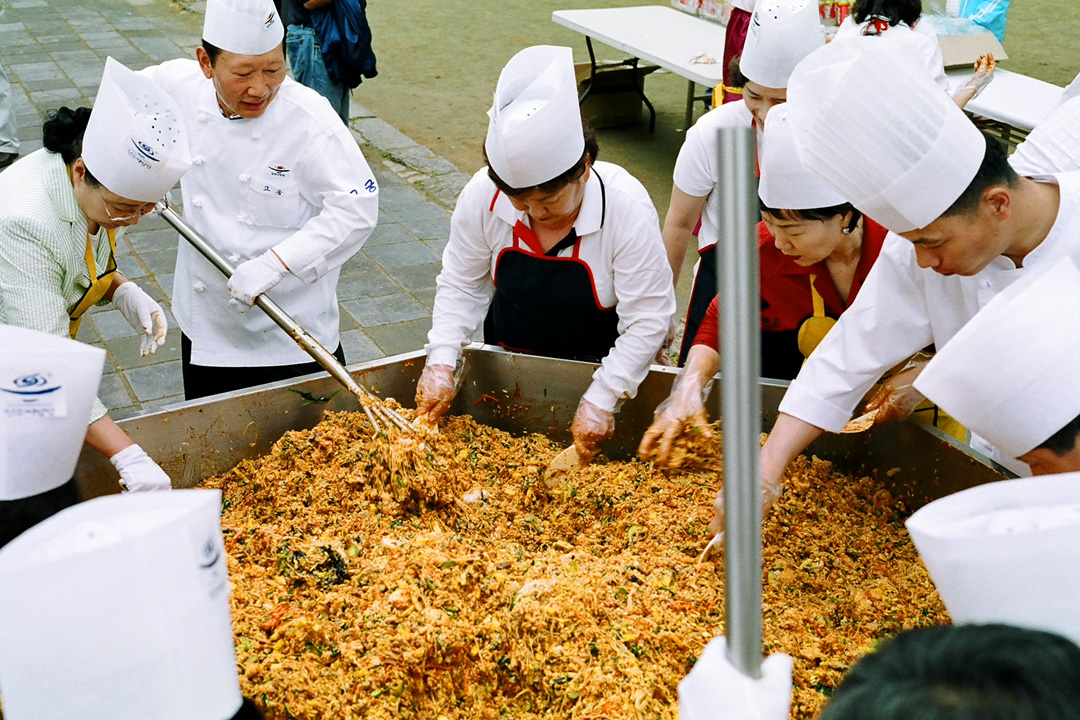
An open-license Jeonju bibimbap festival image that brings regional food culture into category and pantry discovery.
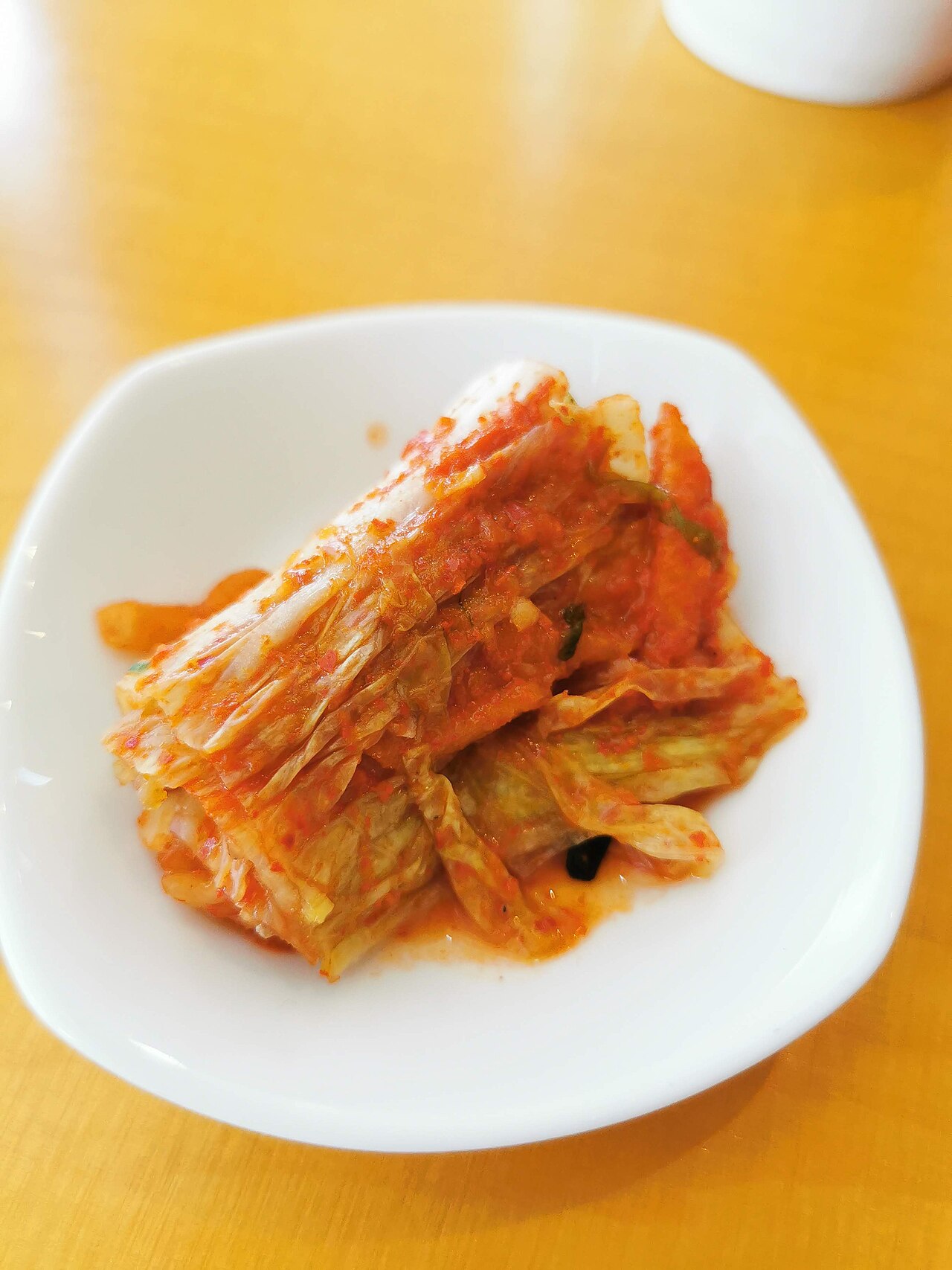
A close kimchi visual for fermented pantry context, banchan decisions, rice-bowl cues, and claim-safe food education.
A food-specific gochujang visual for sauce, dip, marinade, spice, and rice-cake decision paths.

A regional tea-field visual that supports tea, beverage, gifting, and origin-context pages without wellness claims.
A close tteok visual for rice-cake texture, traditional sweet context, tea pairing, and giftable category education.
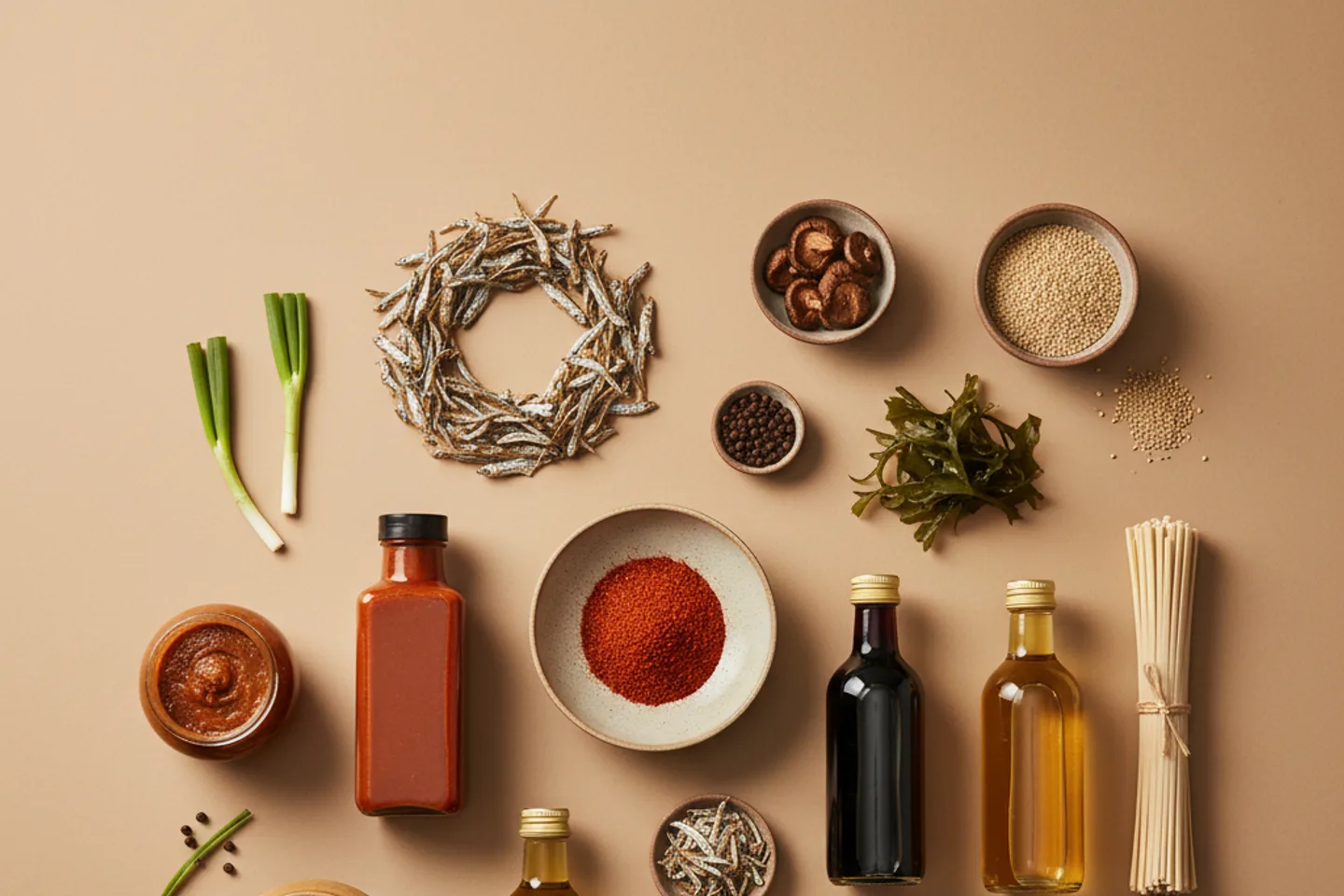
A sauce, noodle, seaweed, spice, and pantry visual for flavor-role decisions before any listing or retailer source matters.
A table-culture visual for banchan, rice, stew, fermented sauce context, tea pairings, and traditional sweet guides.
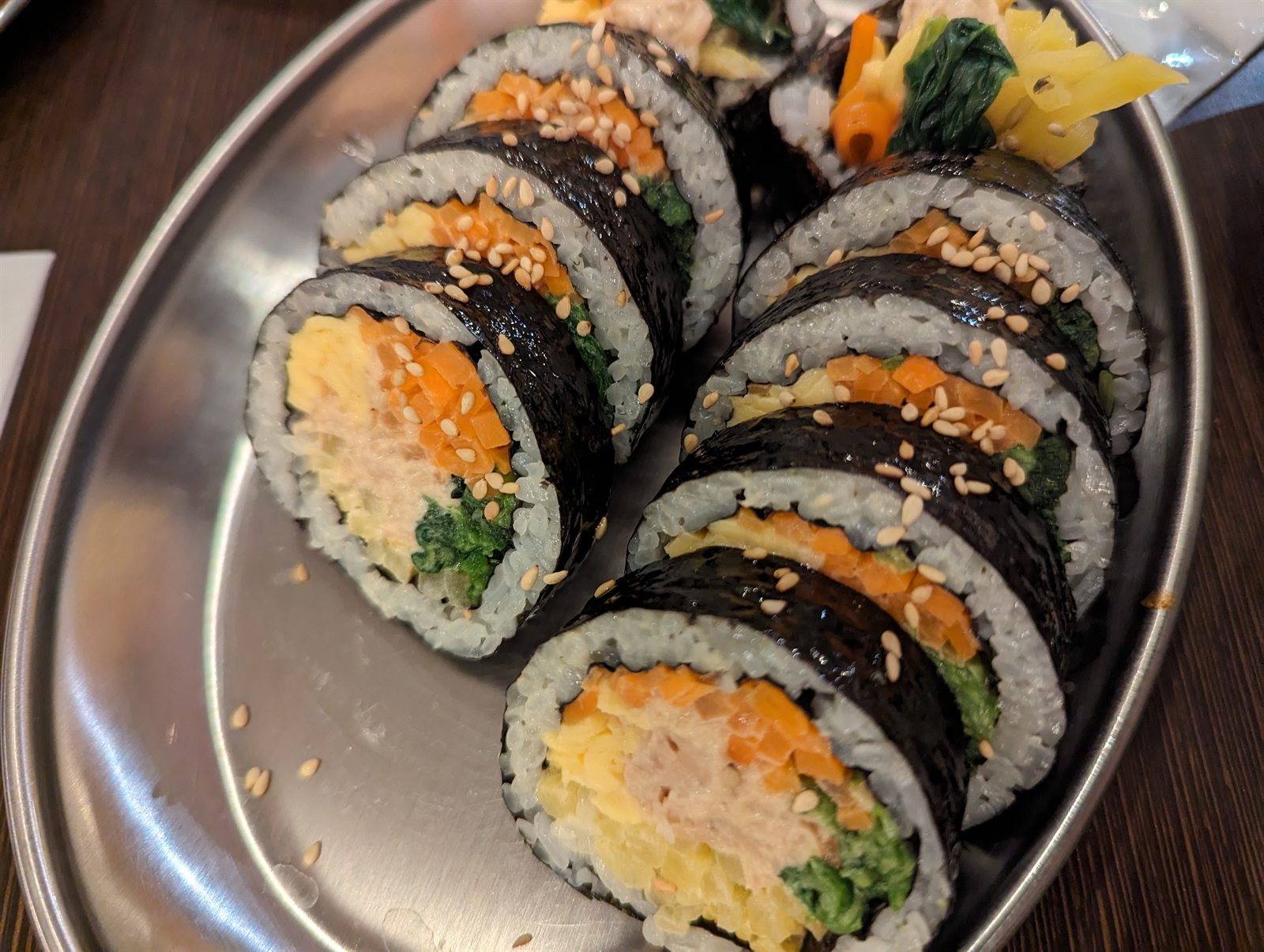
A close food-first visual for gimbap, lunchbox, rice-topper, snack sampler, and low-commitment K-food browsing.
A food-first noodle visual for cold bite, spicy sauce, comfort bowls, portion choice, and low-prep meal paths.
A close street-food visual for spicy-sweet rice cakes, sauce bowls, snack nights, and heat-level questions.

A neutral packaging visual for sampler boxes, giftable sweets, tea pairings, and browse-before-buy decisions.
A trade-intent visual for category, market, volume, timeline, and import responsibility questions.

A clean review-desk visual for label, allergen, claim, catalog, and buyer-material preparation content.
A Korean company preparation visual for catalog structure, product documents, and demand handoff.

A practical worktable visual for Korean manufacturers preparing samples, cartons, and buyer-facing materials.
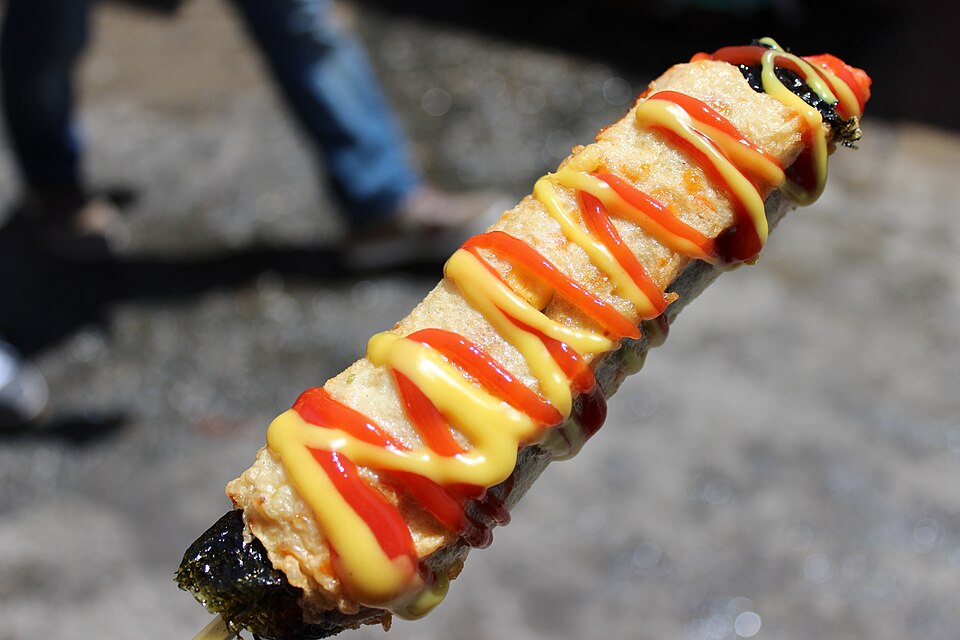
A Busan fish-cake visual that gives the snack path a regional street-food cue without treating one stall or product as proof.
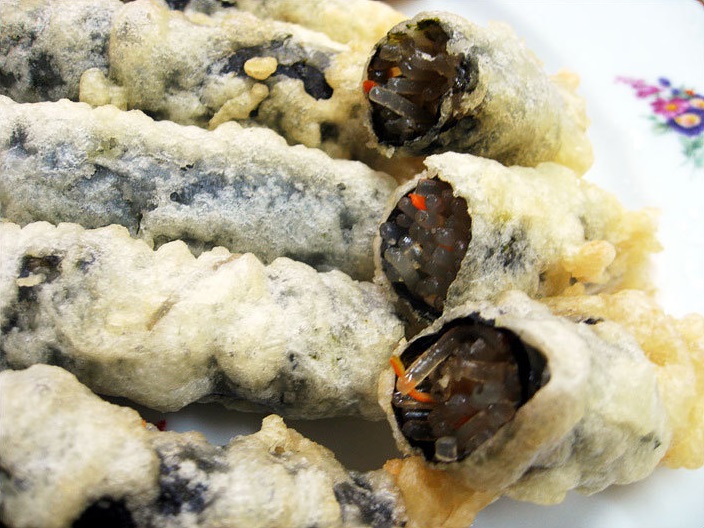
A fried seaweed-roll visual for snack, noodle-side, and tteokbokki-table moments.
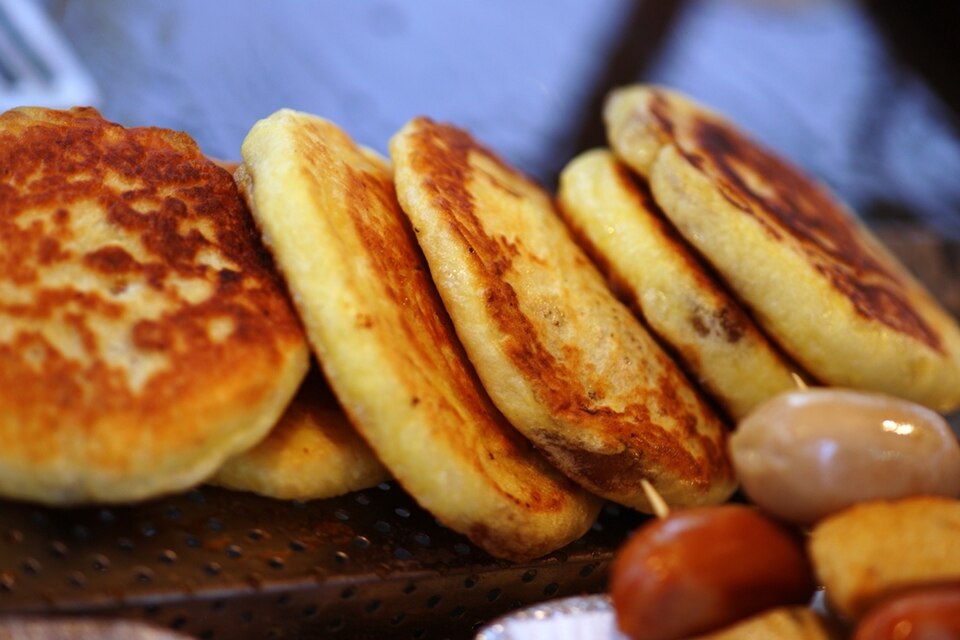
A hotteok visual for sweet street-food, winter snack, dessert, and sampler education.
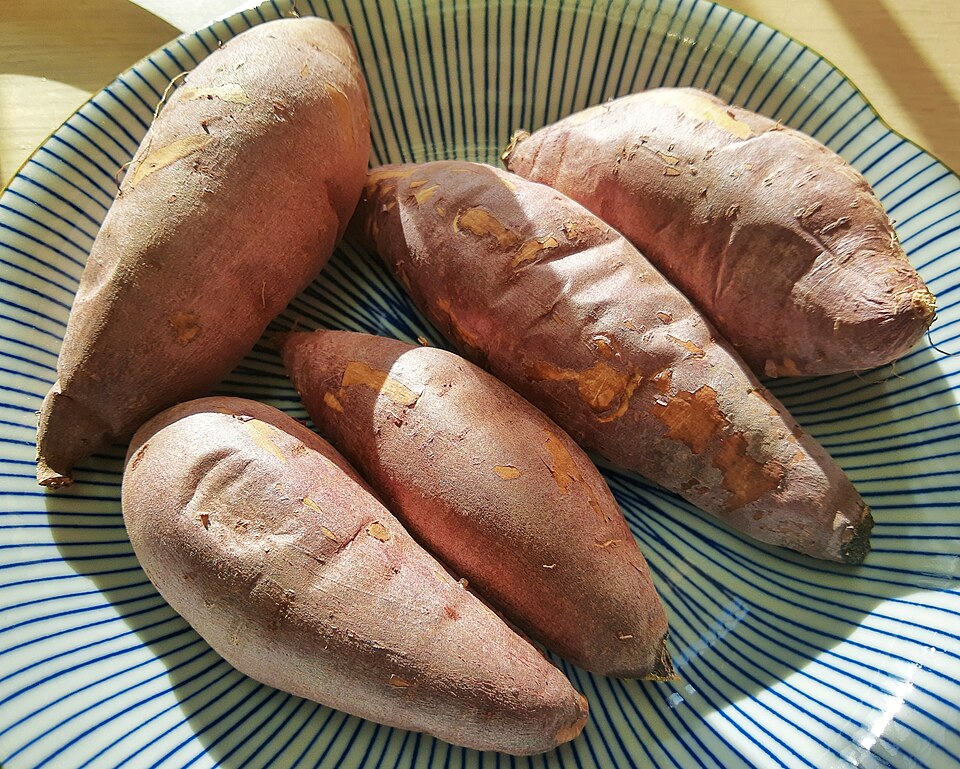
A roasted sweet potato visual for gentle snack, winter comfort, and low-prep Korean pantry discovery.
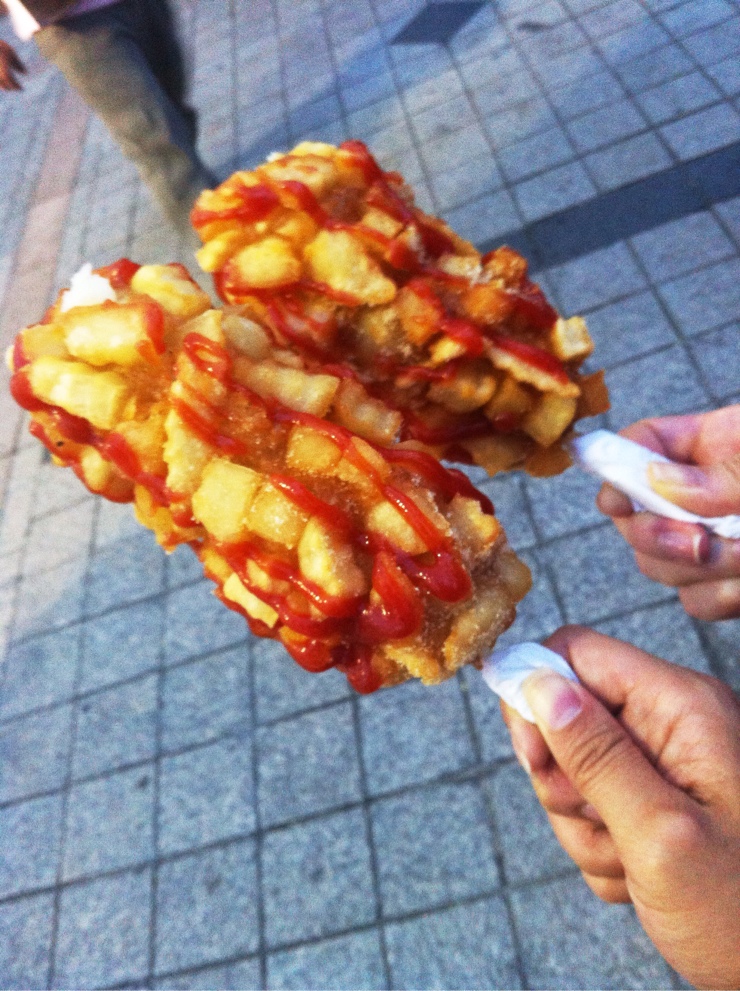
A modern street-food visual for snack curiosity, texture contrast, and first-bite discovery.
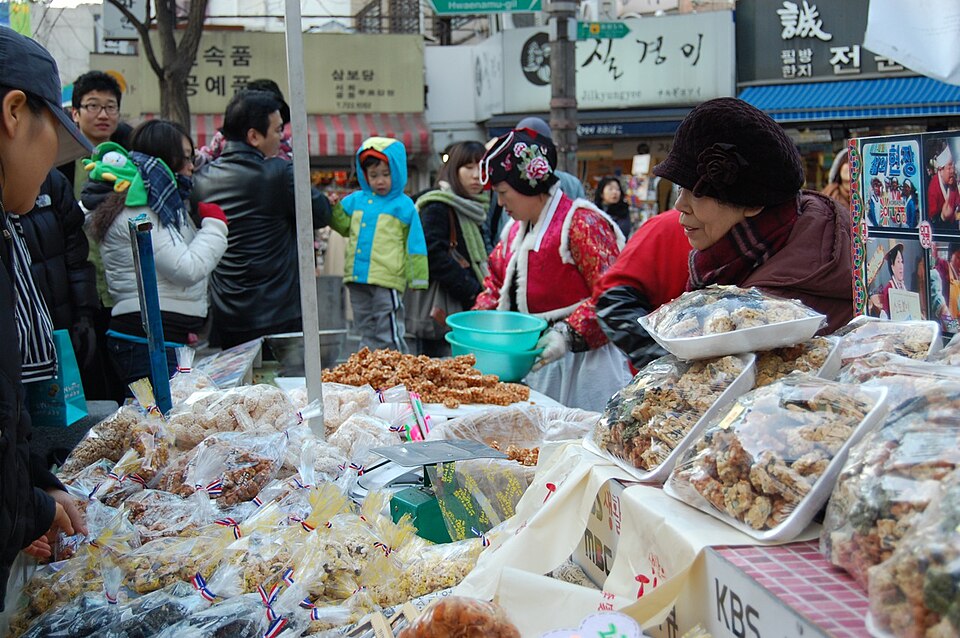
A traditional sweet stall visual for giftable sweets, tea pairing, and Seoul food-walk context.
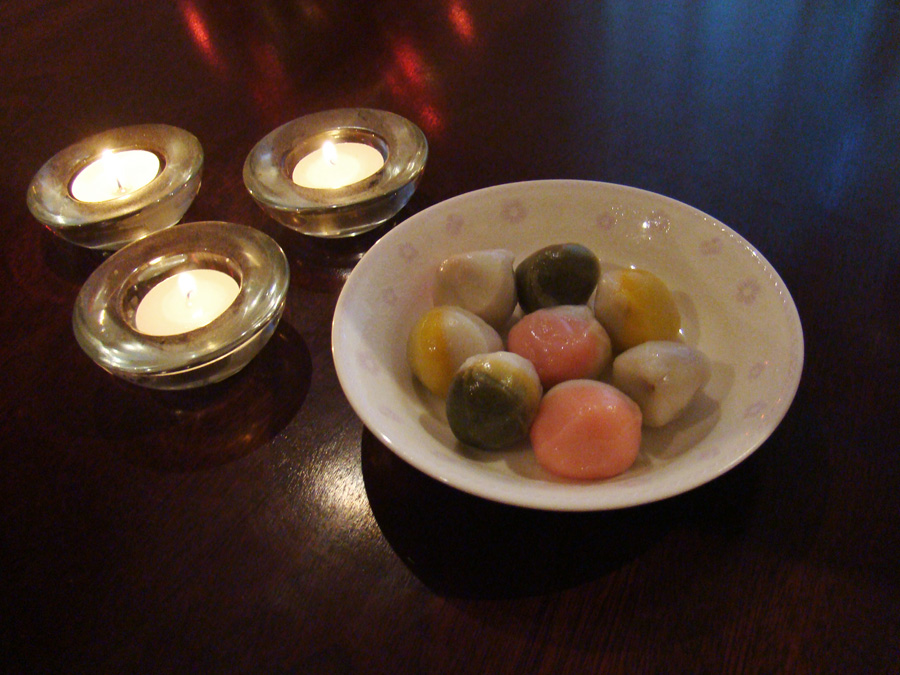
A songpyeon visual for rice-cake texture, holiday sweets, tea pairing, and heritage context.
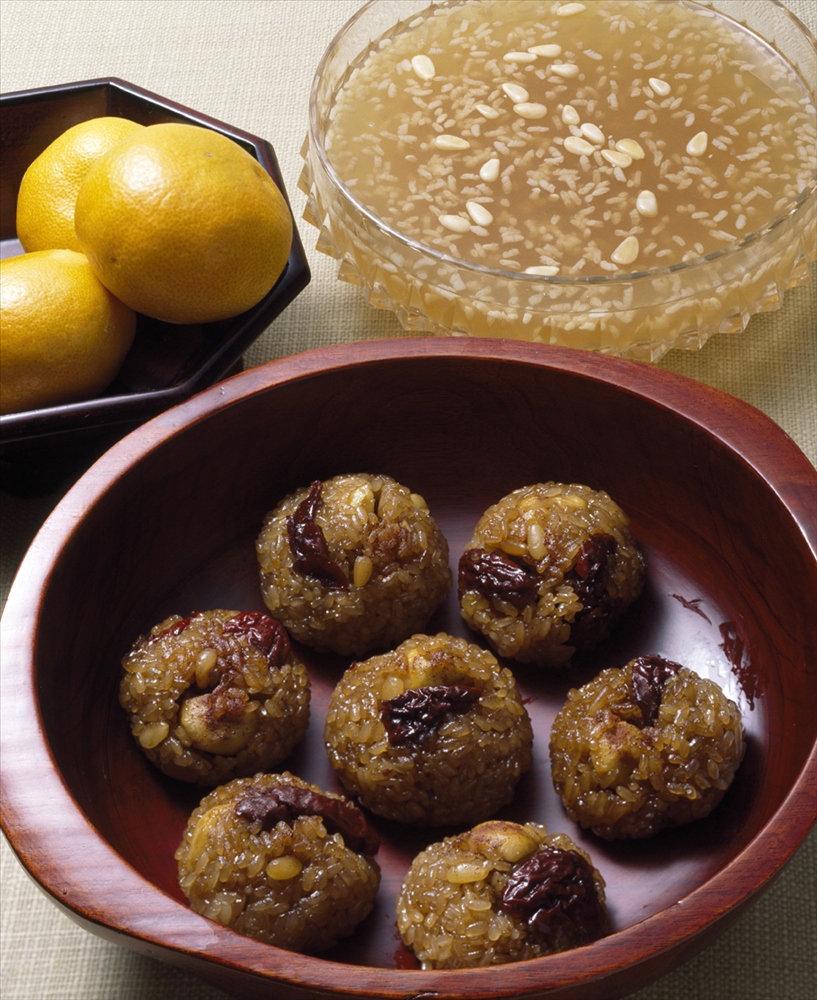
A sweet rice visual for nuts, jujube, giftable dessert, and slower tea-table context.
A tea-and-sweet pairing visual for dessert discovery without wellness language.
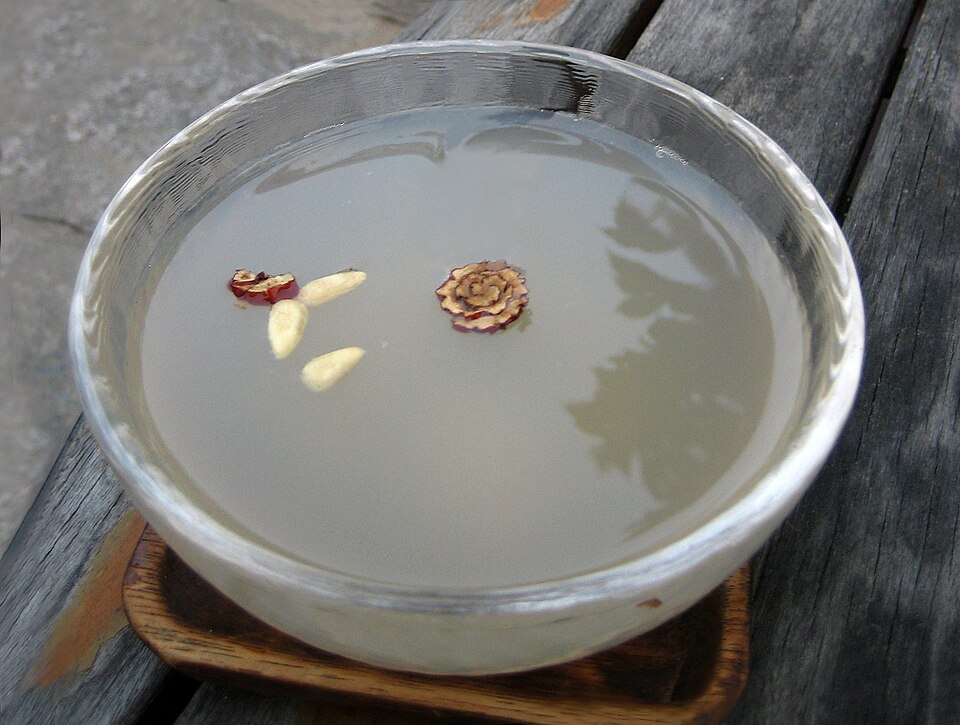
A traditional rice-drink visual for beverage mix, dessert, and chilled serving context.
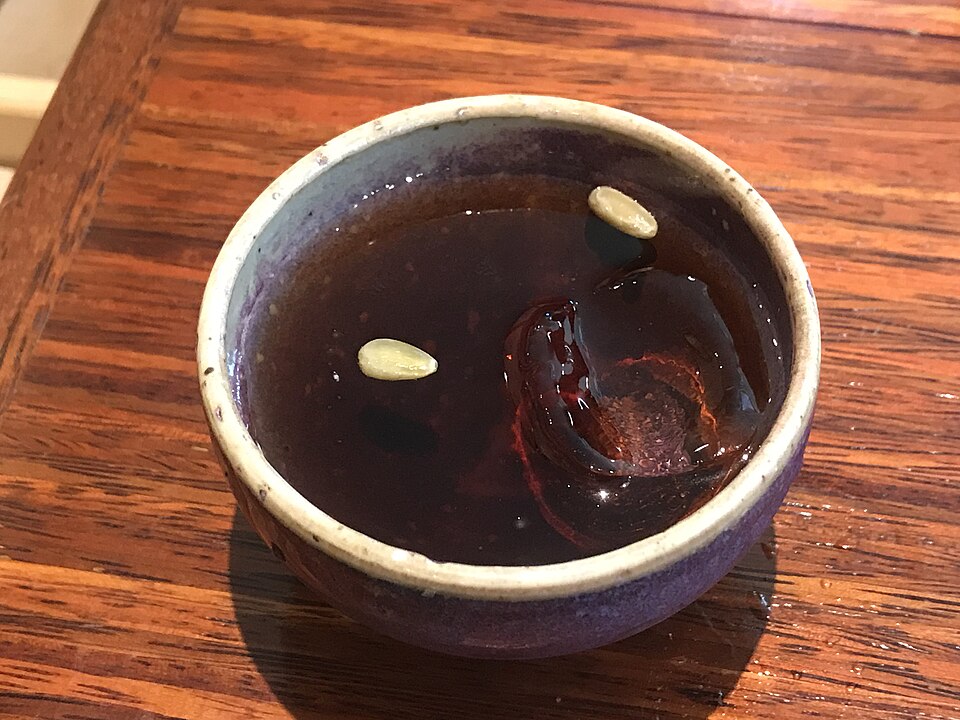
A cinnamon punch visual for traditional beverage, sweet finish, and claim-safe drink education.
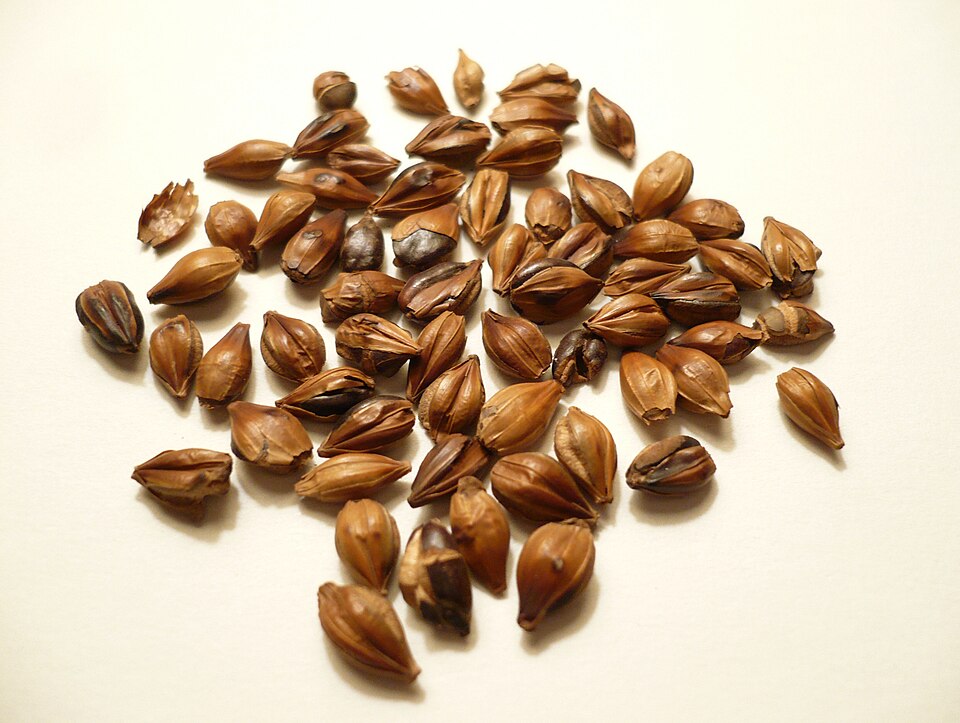
A barley tea visual for everyday Korean drink context, hot or chilled serving, and claim-safe copy.
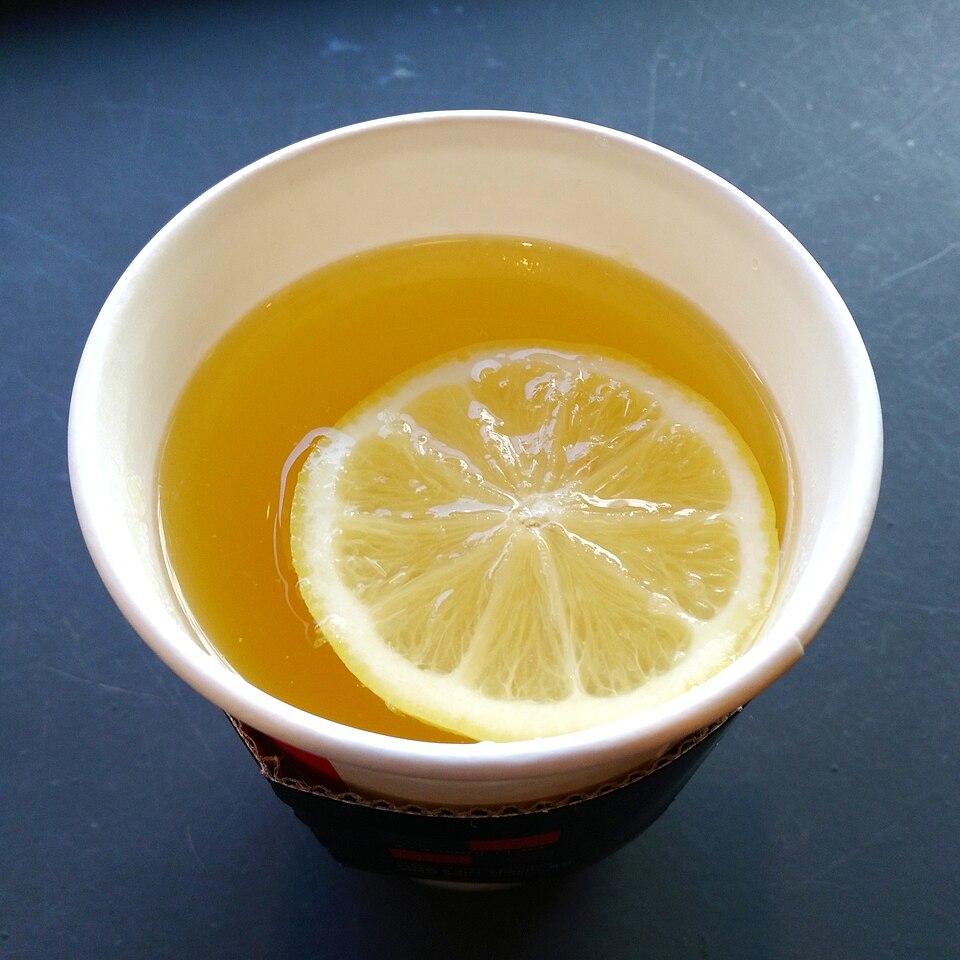
A yuja tea visual for sweet citrus drinks, cafe-style serving, and giftable beverage context.
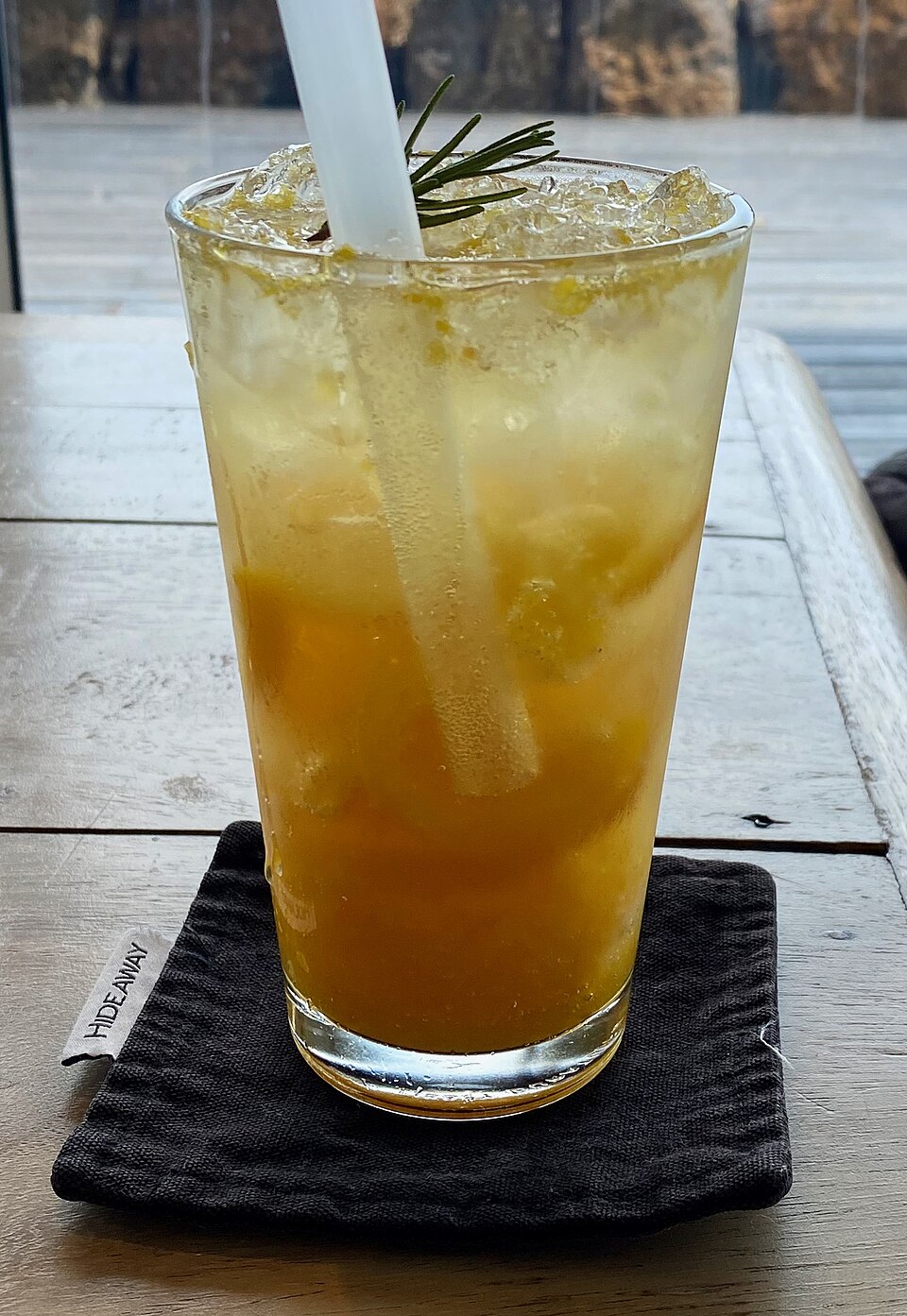
A Jeju citrus drink visual for regional beverage cues and sweet refreshment context.
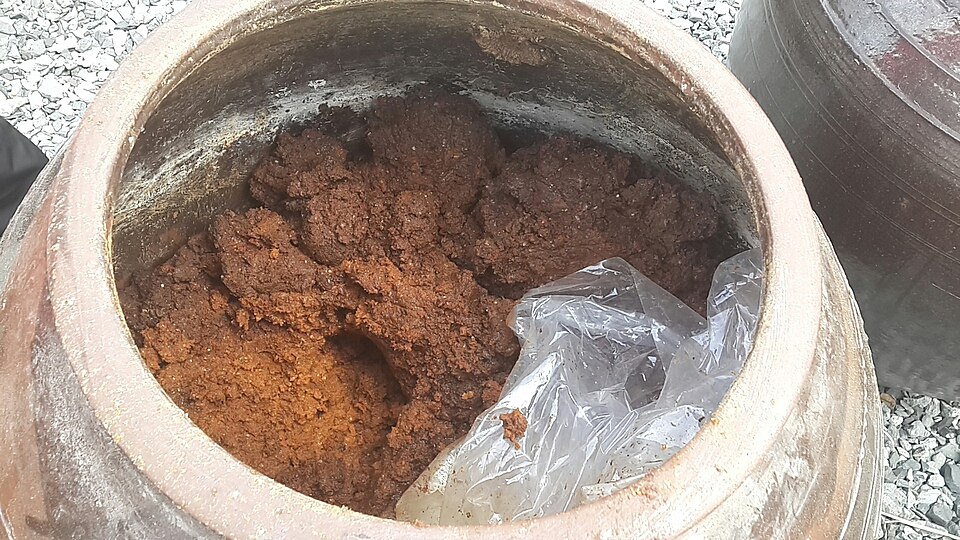
A fermented paste jar visual for sauce, pantry, regional food culture, and heritage-safe context.
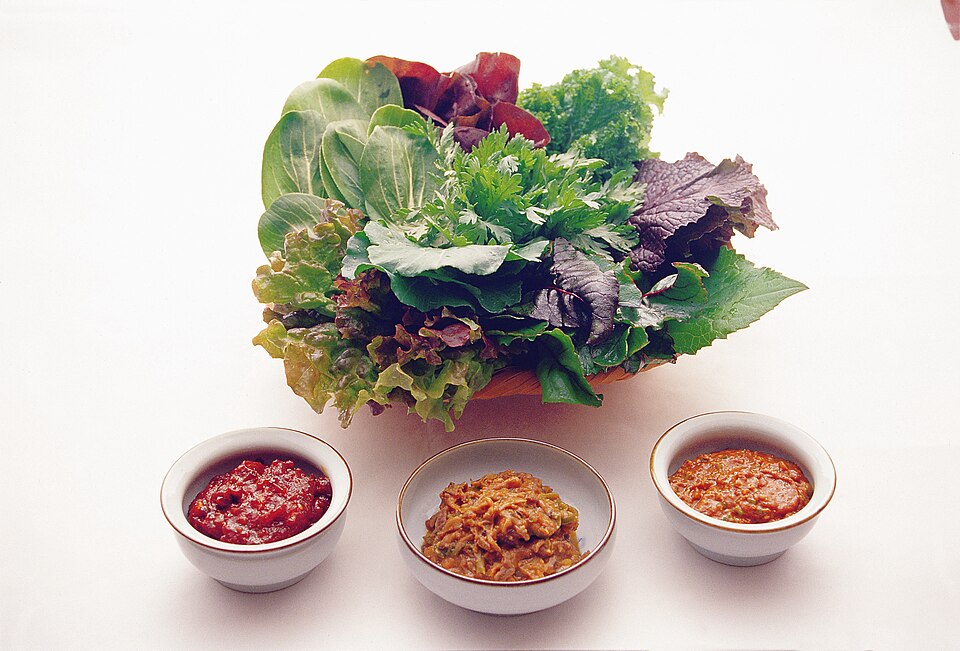
A wrap-table visual for ssamjang, vegetables, barbecue night, and dip decisions.
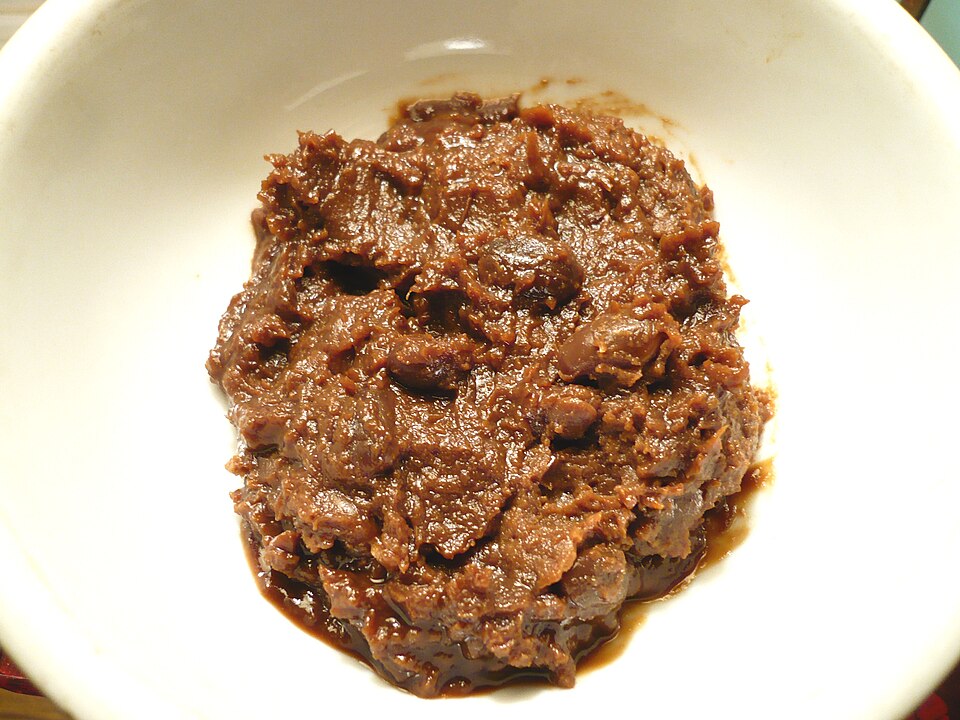
A soybean-paste texture visual for pantry education and sauce comparison.
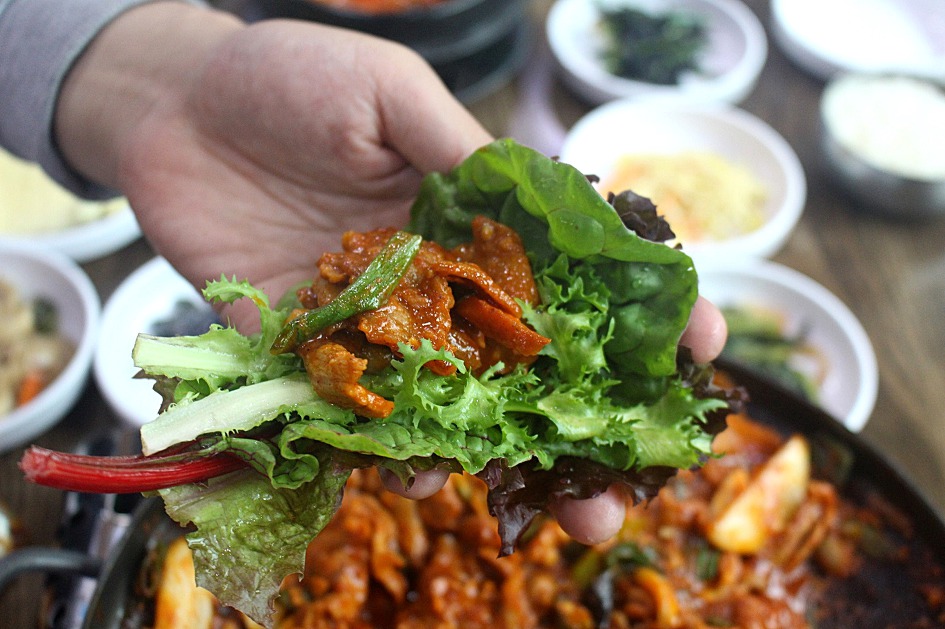
A meal-use sauce visual for gochujang, barbecue, wraps, and rice-table decisions.
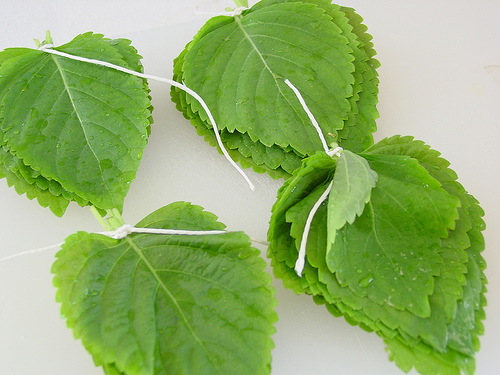
A perilla leaf visual for fresh-herb context, wraps, banchan, and pantry education.
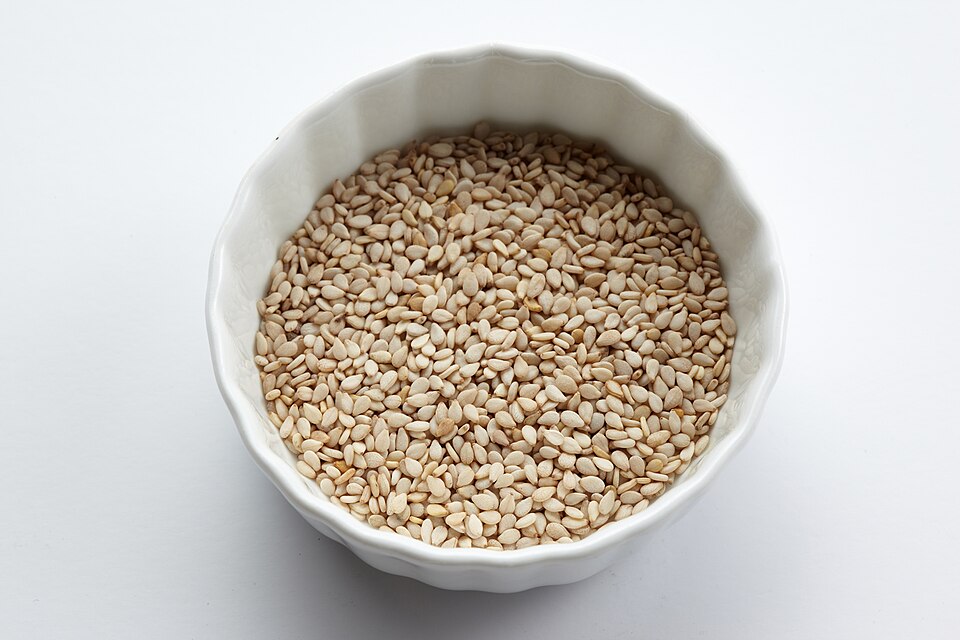
A sesame seed visual for finishing cues, rice bowls, sauces, and pantry basics.
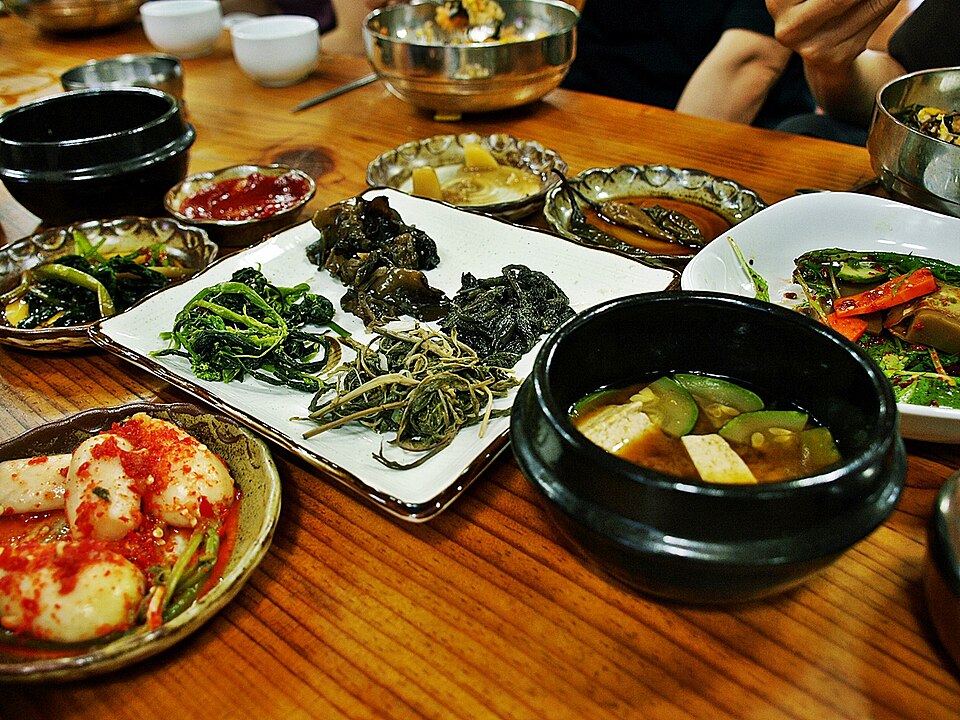
A stew-and-banchan table visual for pantry role, sauce role, and everyday meal structure.
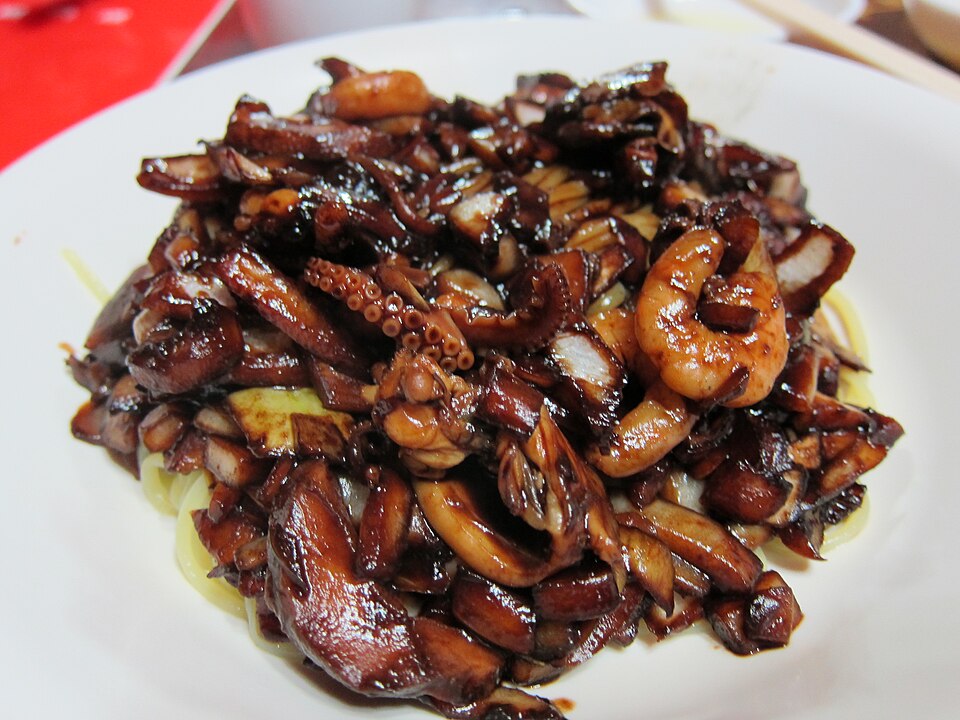
A black-bean noodle visual for comfort noodles, sauce texture, and meal mood comparison.
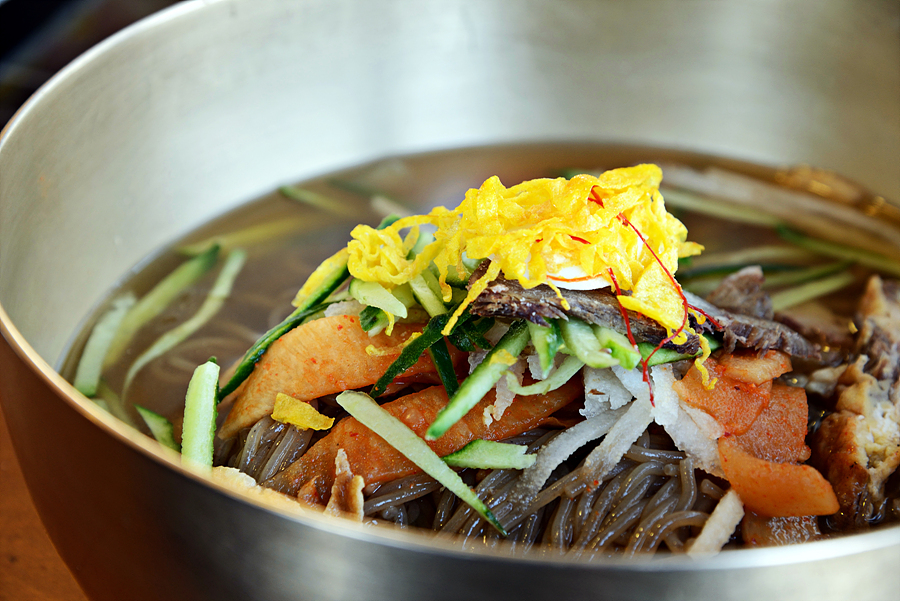
A cold noodle visual for regional noodle choice, summer serving, and heat-free meal context.
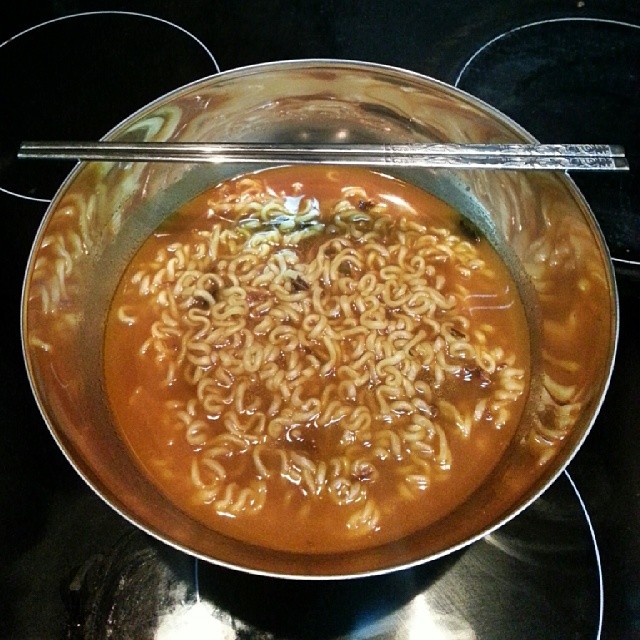
A spicy noodle visual for fast meal, pantry heat, and beginner-friendly ramen context.
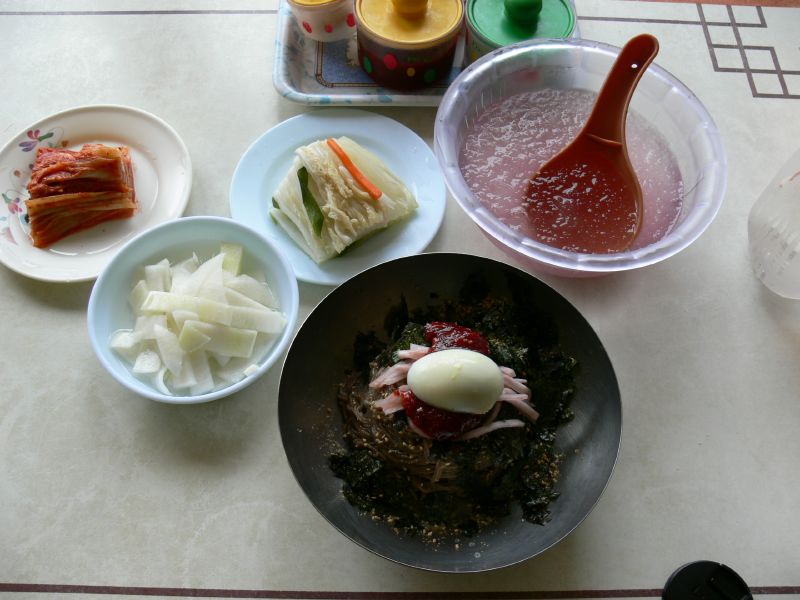
A buckwheat noodle visual for cold-prep, sauce mix, and regional noodle education.
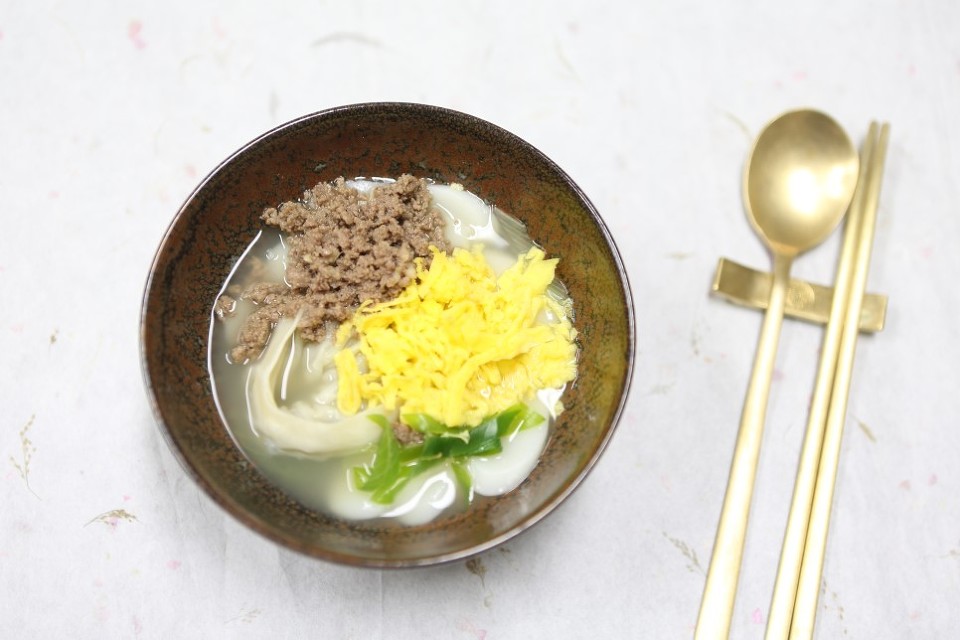
A rice-cake dumpling soup visual for rice cake, dumpling, and comfort meal context.
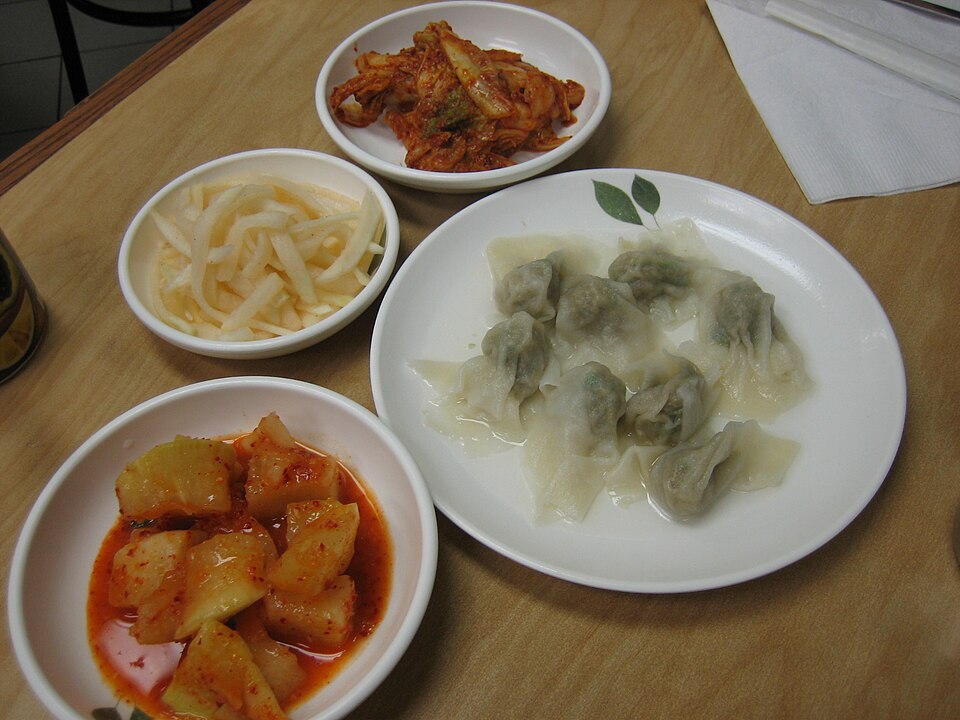
A dumpling-and-kimchi visual for pantry meals, snack plates, and side-dish context.
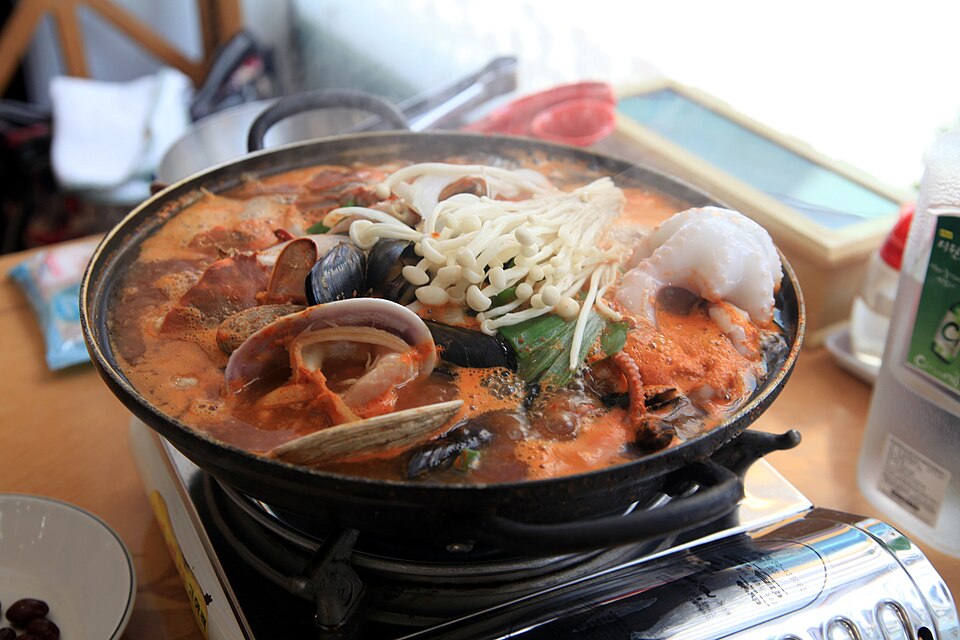
A Busan seafood soup visual for regional meal context and seafood pantry questions.
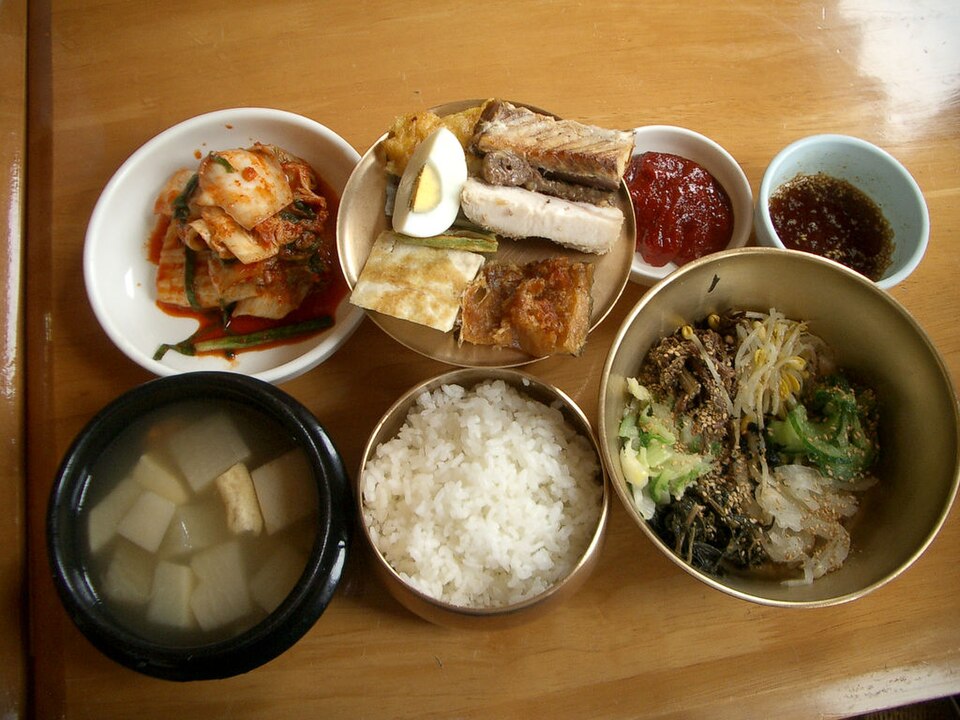
An Andong table visual for regional hansik, rice bowls, banchan, and heritage context.
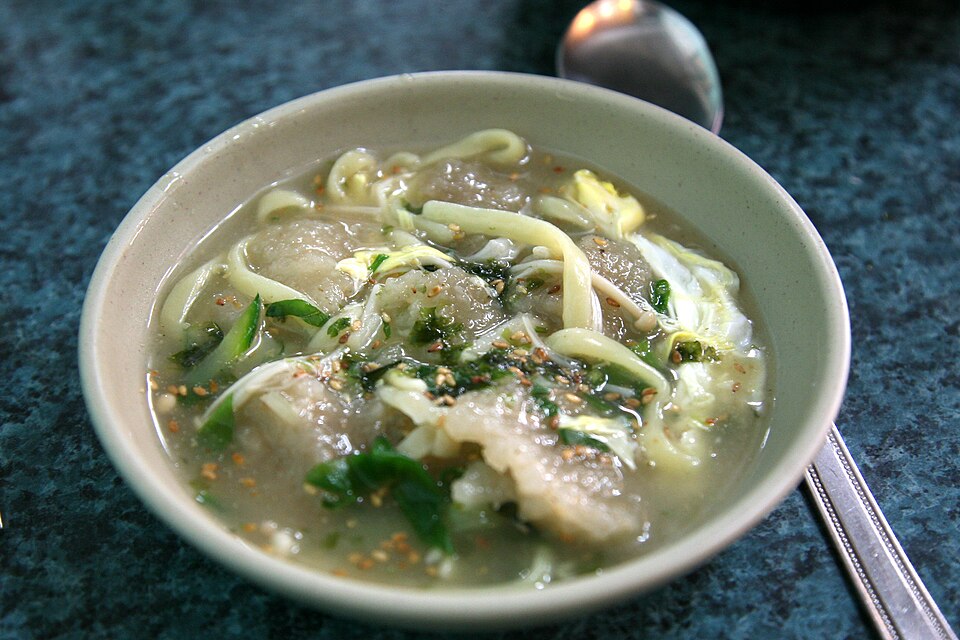
A potato dumpling soup visual for regional comfort food and pantry-meal education.
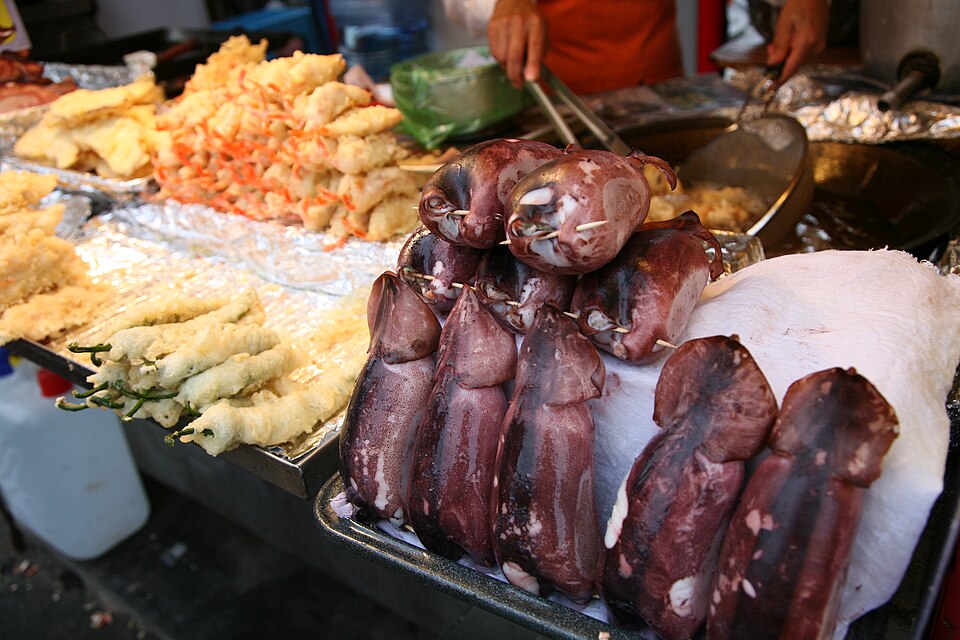
A Sokcho port snack visual for fried food, seafood, and regional discovery.
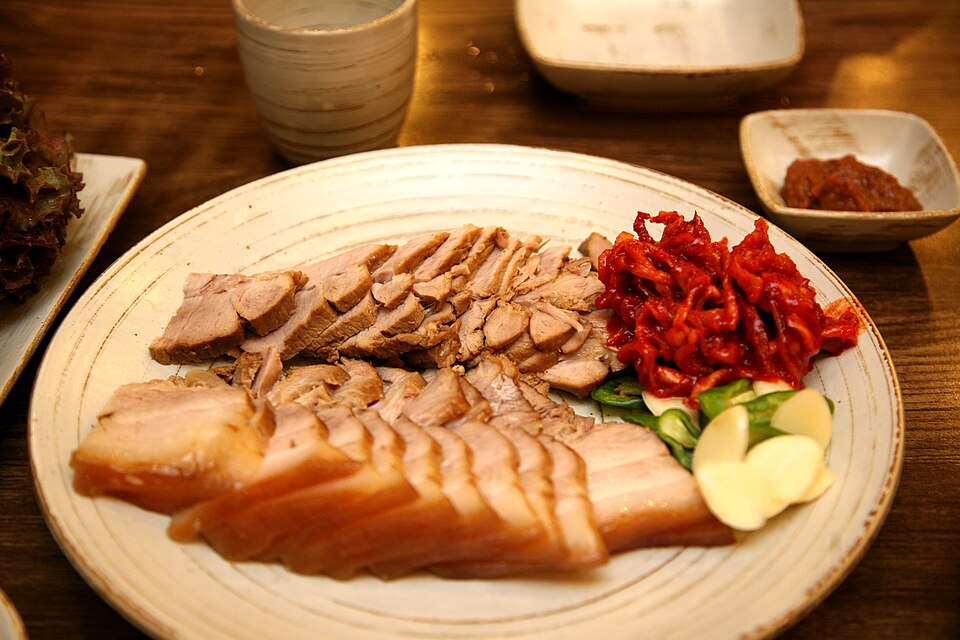
A steamed pork visual for regional table context, dipping sauce, and shared meal education.
Heritage sources
17th-century cookbookBest for guides that explain why Korean pantry routes are deeper than modern snack trends.
Source: Korea.net / Eumsik Dimibang featureJoseon royal protocolsBest for traditional hansik explainers, premium gift sets, table-culture content, and export storytelling with clear source boundaries.
Source: Korea.net / Preserving Royal CuisineBest for sweets, beverage mix, tea pairing, giftable categories, and claim-safe fermentation notes.
Source: Korea.net / Jeungpyeon rice wine cakeBest for pancake mix, snackable pantry guides, starter kits, and cooking-demo education.
Source: Korea.net / Bindaetteok featureA food-first path for trying K-food through shelf-stable categories before moving into larger pantry habits.
Best when a craving needs category context, table fit, and comparison cues before a product family feels obvious.
Food discoveryA source-backed heritage guide that turns Korean royal cuisine and old cookbook context into practical pantry, sauce, tea, and sweet ideas.
Best when a craving needs category context, table fit, and comparison cues before a product family feels obvious.
Sourcing questionA qualification guide for import interest before regulatory, logistics, or supplier commitments are made.
Best when a sourcing question needs market, channel, volume, timing, and product documents.
Food discoveryA category map for shelf-stable products that can support both consumer content and later buyer conversations.
Best when a craving needs category context, table fit, and comparison cues before a product family feels obvious.
Korean brand prepA public explanation of why consumer food discovery and B2B import inquiries are related but not the same lane.
Best when Korean company product information needs to become clear enough for overseas buyers.
Food discoveryA snack guide for building low-friction discovery around seaweed, rice crackers, sweet potato snacks, and small sweets.
Best when a craving needs category context, table fit, and comparison cues before a product family feels obvious.
Food discoveryA sauce guide that explains gochujang, tteokbokki sauce, ssamjang, and marinades as distinct meal-use choices.
Best when a craving needs category context, table fit, and comparison cues before a product family feels obvious.
Food discoveryA noodle guide for turning ramen, jajang noodles, and seasonal cold noodles into clear consumer choices.
Best when a craving needs category context, table fit, and comparison cues before a product family feels obvious.
Food discoveryA beverage guide that keeps yuzu citron tea, barley tea, corn silk tea, omija, and grain mixes in claim-safe public language.
Best when a craving needs category context, table fit, and comparison cues before a product family feels obvious.
Food discoveryA guide for product choices that work well as gifts, samplers, seasonal boxes, and low-commitment discovery sets.
Best when a craving needs category context, table fit, and comparison cues before a product family feels obvious.
Sourcing questionA buyer-facing intake guide with first-note examples before supplier matching or export consulting begins.
Best when a sourcing question needs market, channel, volume, timing, and product documents.
Korean brand prepA Korean company guide for preparing buyer-facing product information before outreach or retailer-reference work.
Best when Korean company product information needs to become clear enough for overseas buyers.
Sourcing questionA conservative checklist for products where ingredients, allergens, storage, or claims need review before a trade handoff.
Best when a sourcing question needs market, channel, volume, timing, and product documents.