Name the craving before the product.
Spicy comfort, crisp snack, quiet tea, lunchbox rice, sweet gift, and fast pantry meal all lead to different product families.
- Craving
- Occasion
- Format
 KFoodHunter
Category hubs
Category hubs make each craving easier to name before you choose a food path or a buyer turns interest into a sourcing question.
Beyond category labels
Food families
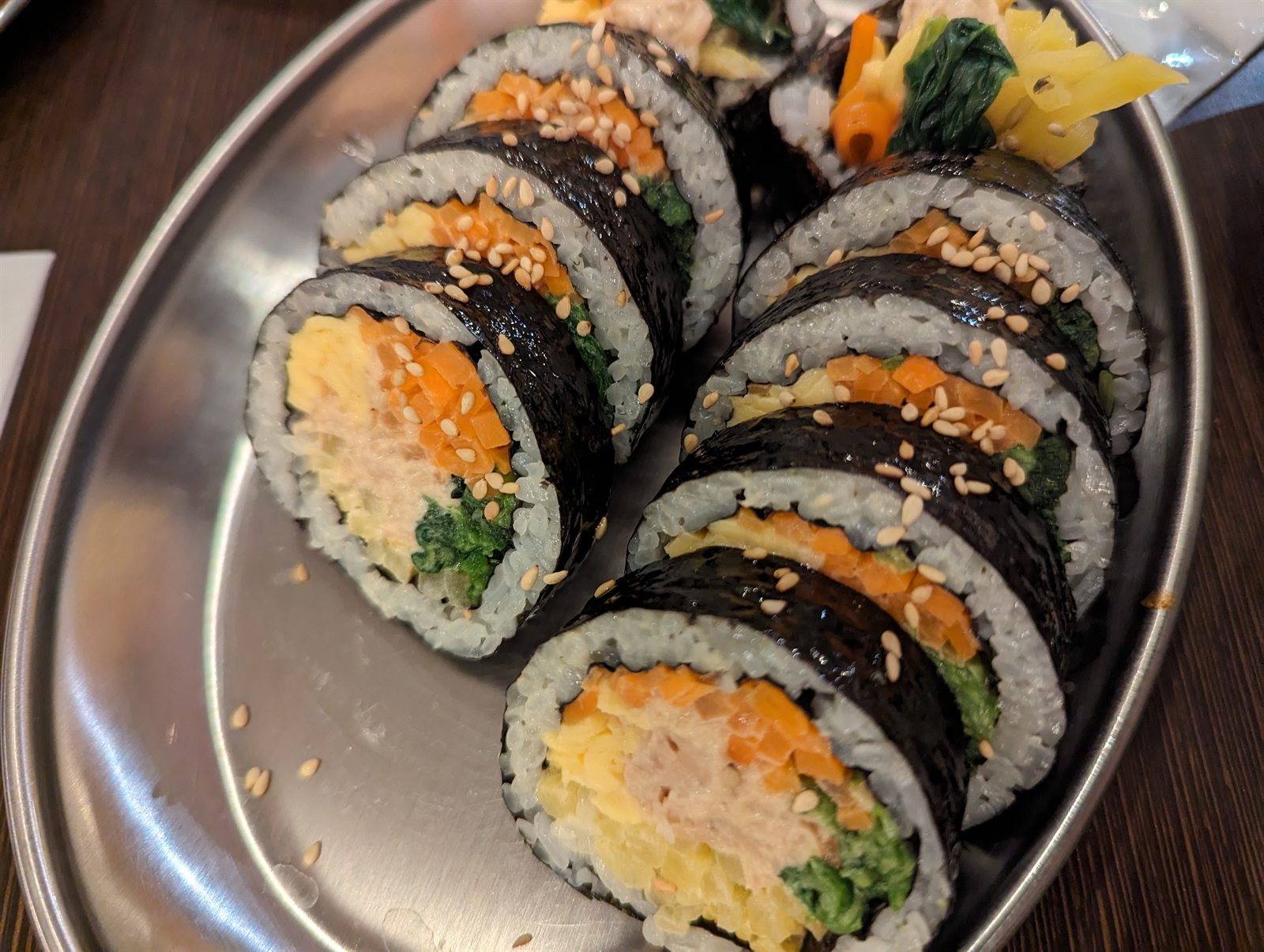
Crunch, crisp sheets, lunchbox sides, movie-night bowls, and sampler packs create a small first K-food moment without recipe planning.
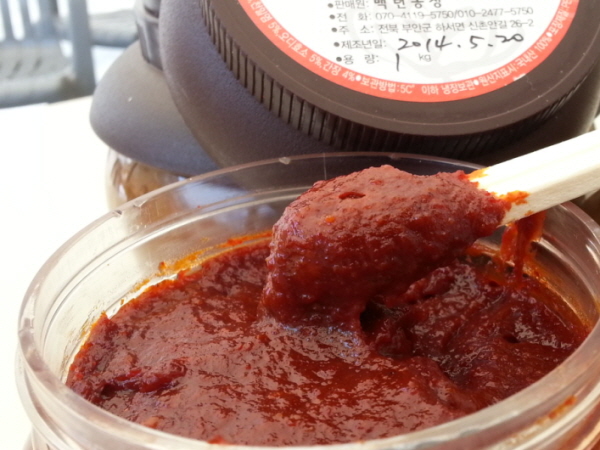
Gochujang, ssamjang, tteokbokki sauce, and marinades become easier when the job is heat, dip, gloss, base, or finishing note.
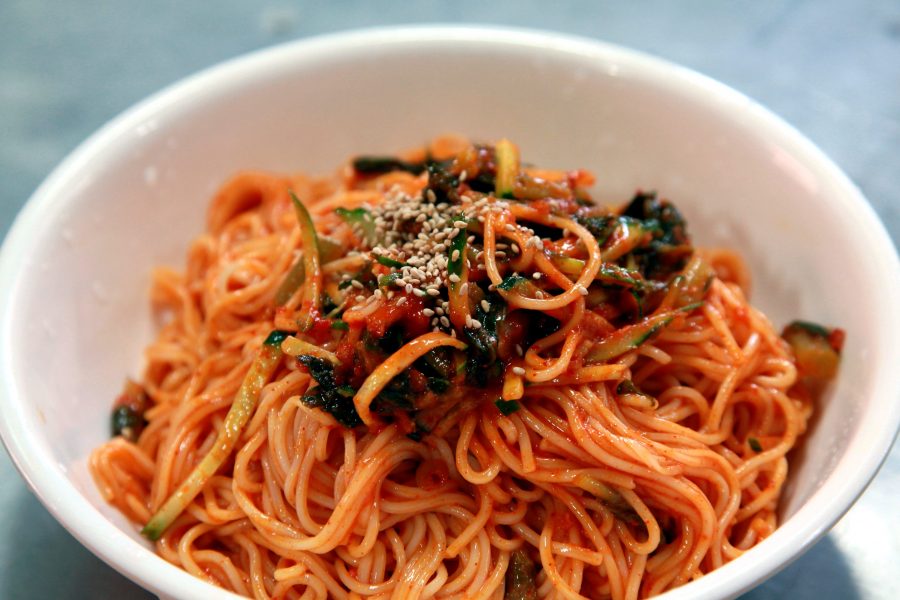
Spicy broth, black-bean comfort, cold noodles, rice bowls, dry mixes, and seasonings make more sense when preparation is clear.

Roasted tea, citron-style drinks, grain mixes, rice cakes, yakgwa, and jelly work better through pairing, texture, and gift context.
After the food category is clear
Category guide
Snack choices feel easier when texture, occasion, and flavor are clear before brand comparison begins.
Rice bowls, barbecue, dipping, marinades, and easy meal cues make sauce choices more useful than broad authenticity claims.
Spicy ramen, comfort noodles, cold-prep noodles, and low-prep meal formats each answer a different meal mood.
Meal bases, finishing cues, seasonings, dry mixes, and low-prep preparation give each product a clear pantry role.
Hot cups, iced pitchers, daily rituals, cafe-style drinks, gifts, and office pantry moments keep tea choices grounded in flavor.
Base, dry mix, concentrate, and ready-beverage formats become clearer when the serving moment is easy to picture.
Gift, tea pairing, party, dessert, and sampler contexts make each sweet easier to understand before any click away.
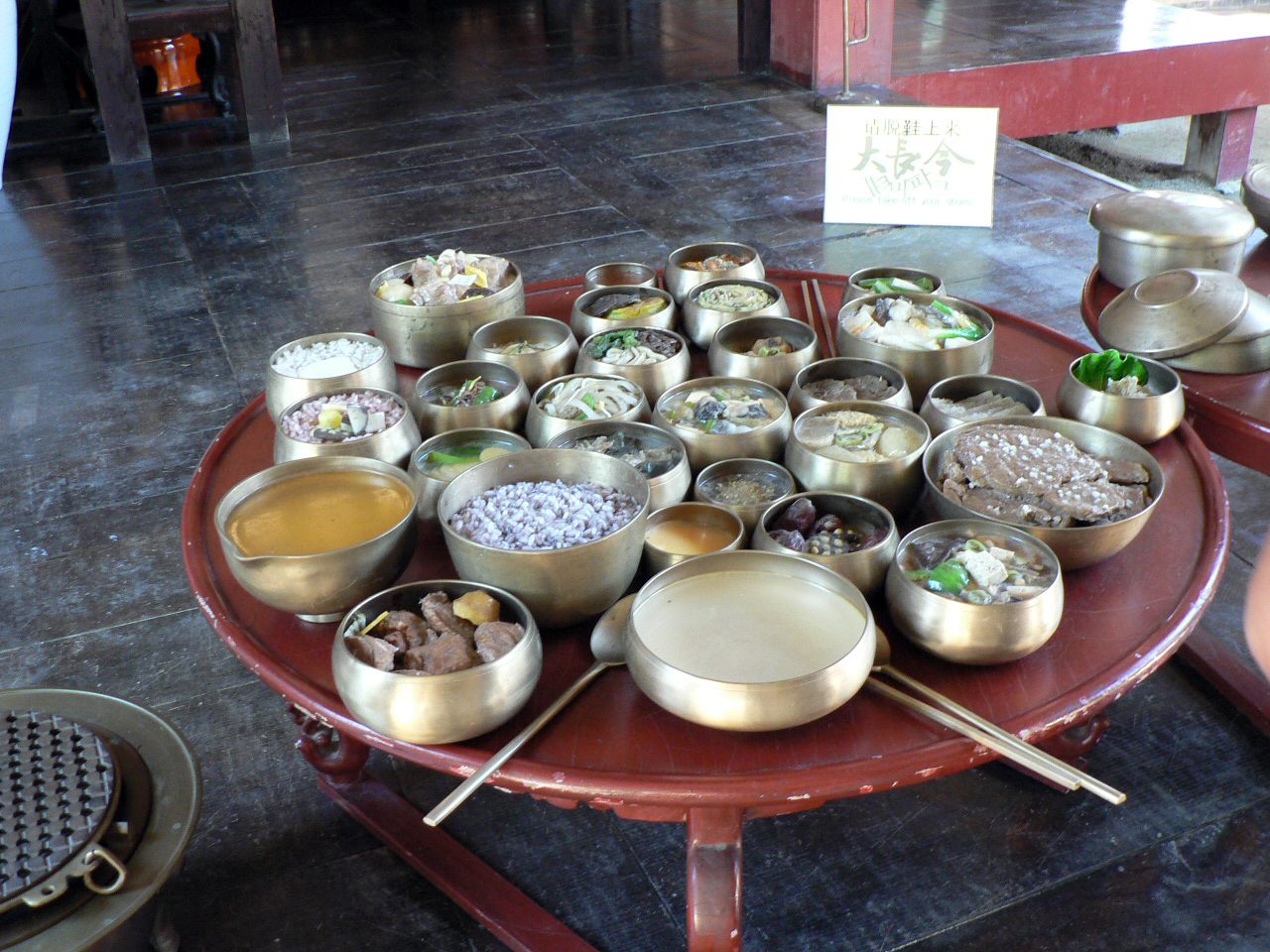
An open-license royal court cuisine table display for heritage-backed pantry, sauce, rice, tea, and sweet guide education.

A public-domain cookbook cover image that supports source-backed pantry, rice-cake, noodle, fermentation, and historic food context.
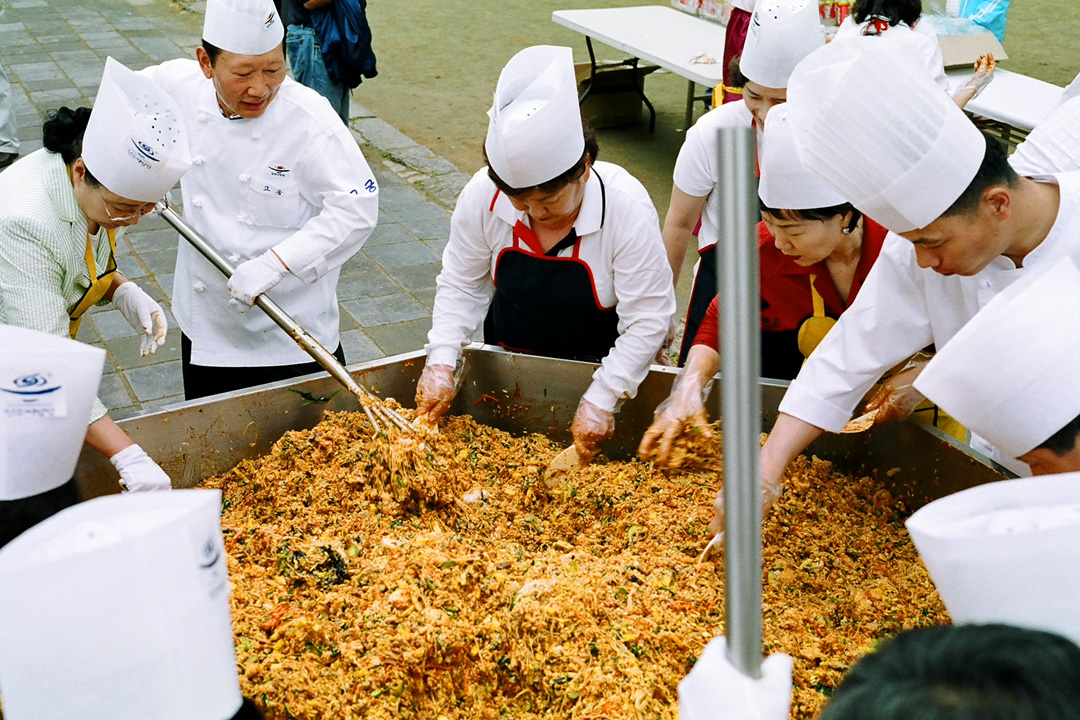
An open-license Jeonju bibimbap festival image that brings regional food culture into category and pantry discovery.
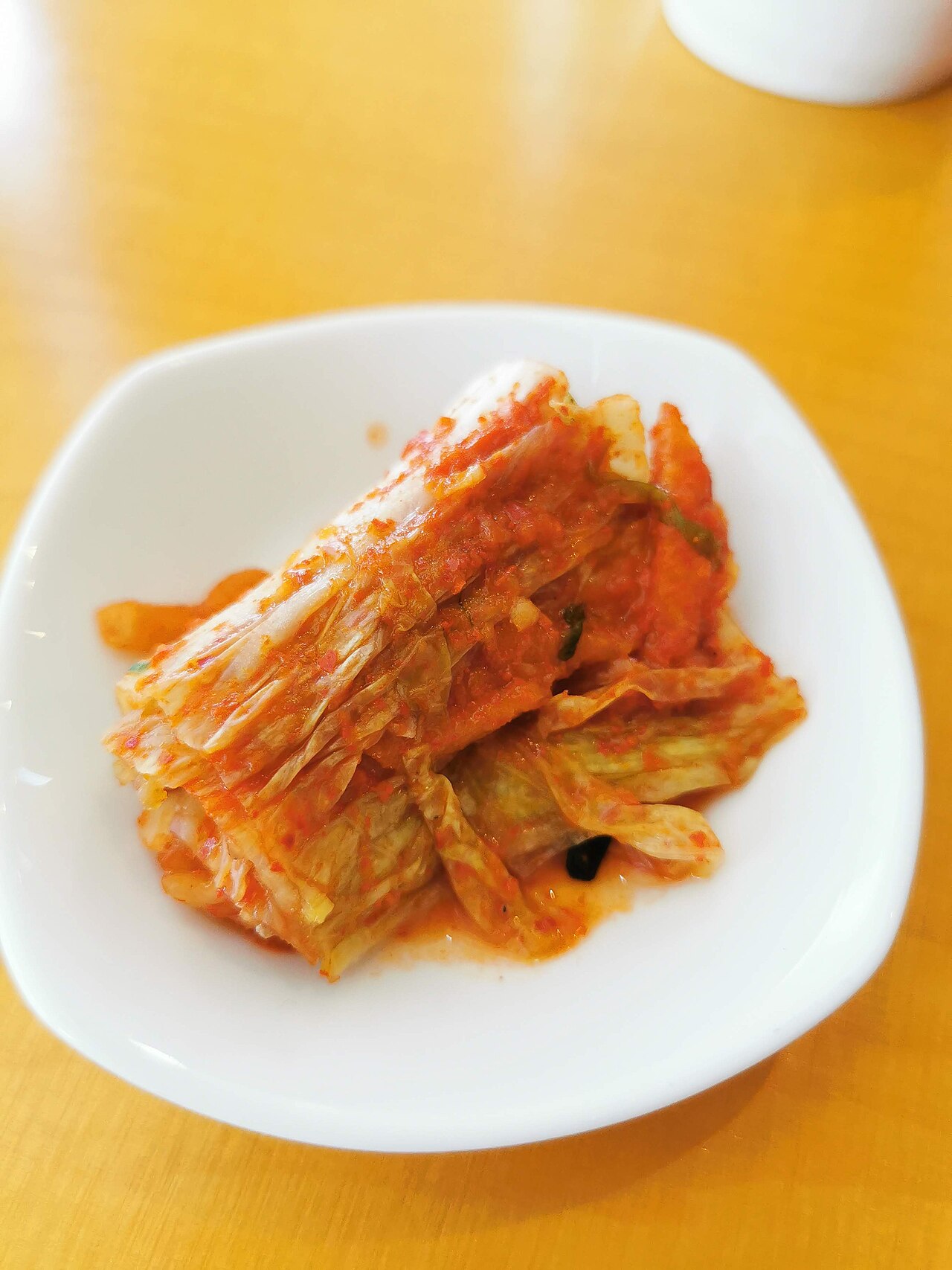
A close kimchi visual for fermented pantry context, banchan decisions, rice-bowl cues, and claim-safe food education.
A food-specific gochujang visual for sauce, dip, marinade, spice, and rice-cake decision paths.
A regional tea-field visual that supports tea, beverage, gifting, and origin-context pages without wellness claims.
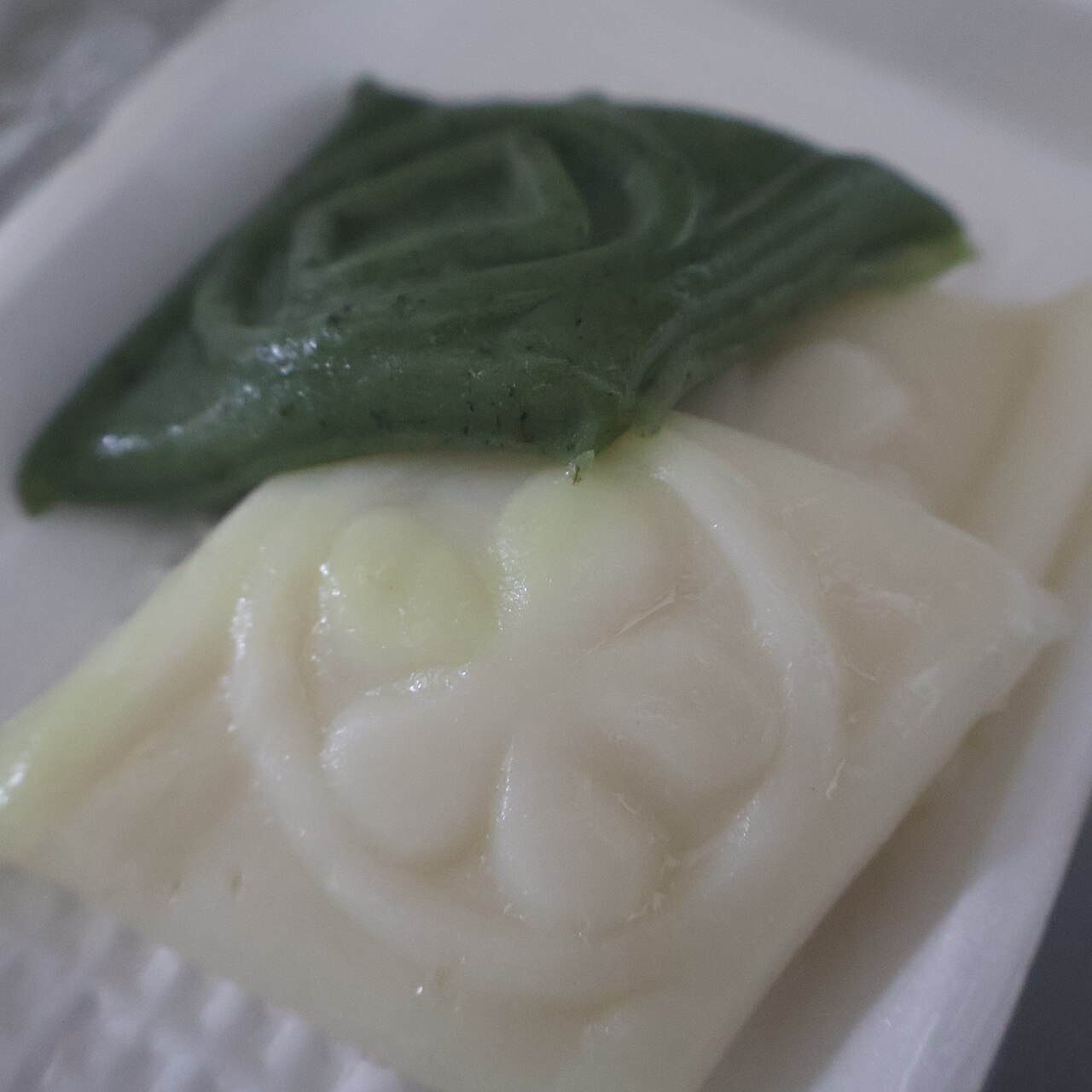
A close tteok visual for rice-cake texture, traditional sweet context, tea pairing, and giftable category education.
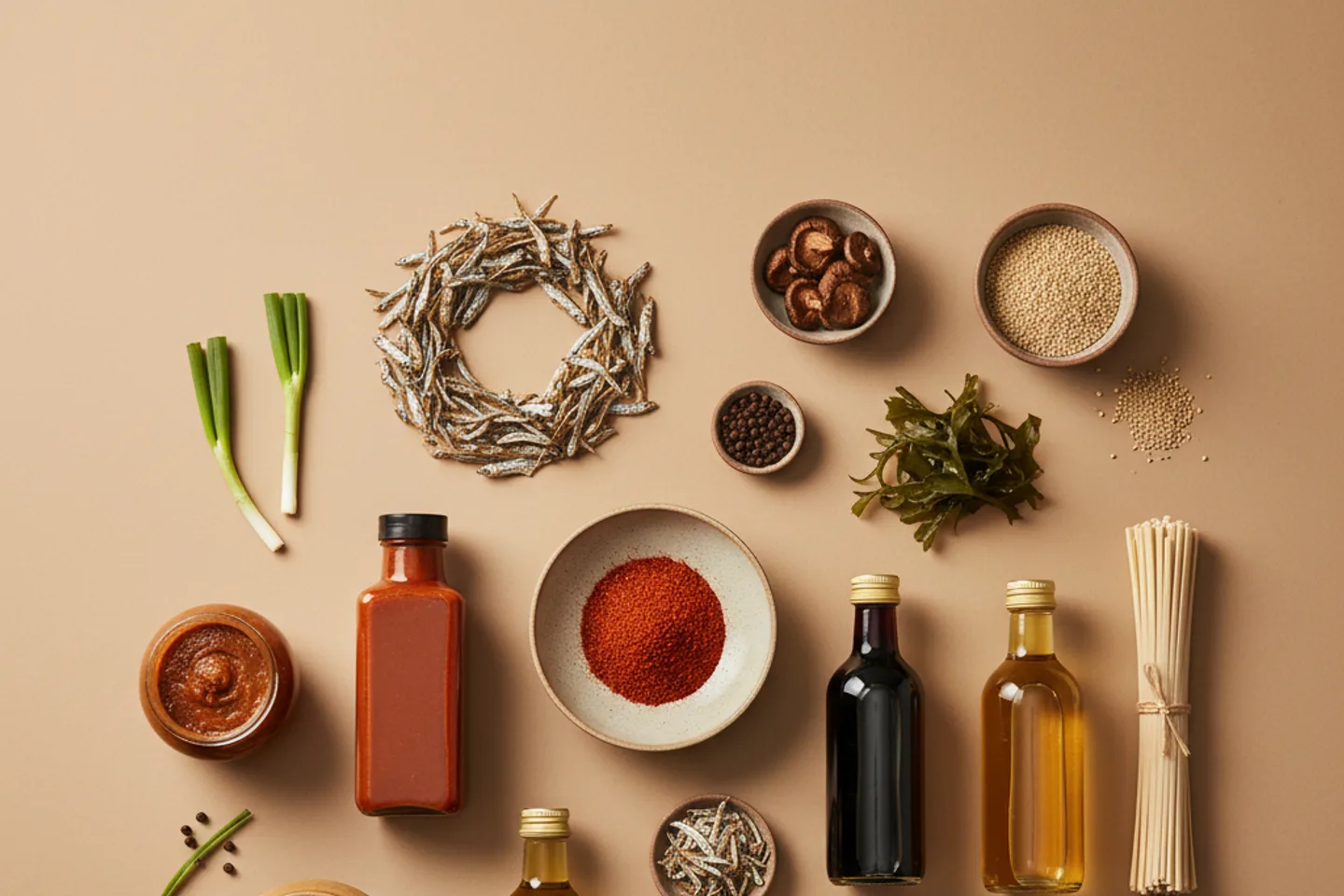
A sauce, noodle, seaweed, spice, and pantry visual for flavor-role decisions before any listing or retailer source matters.
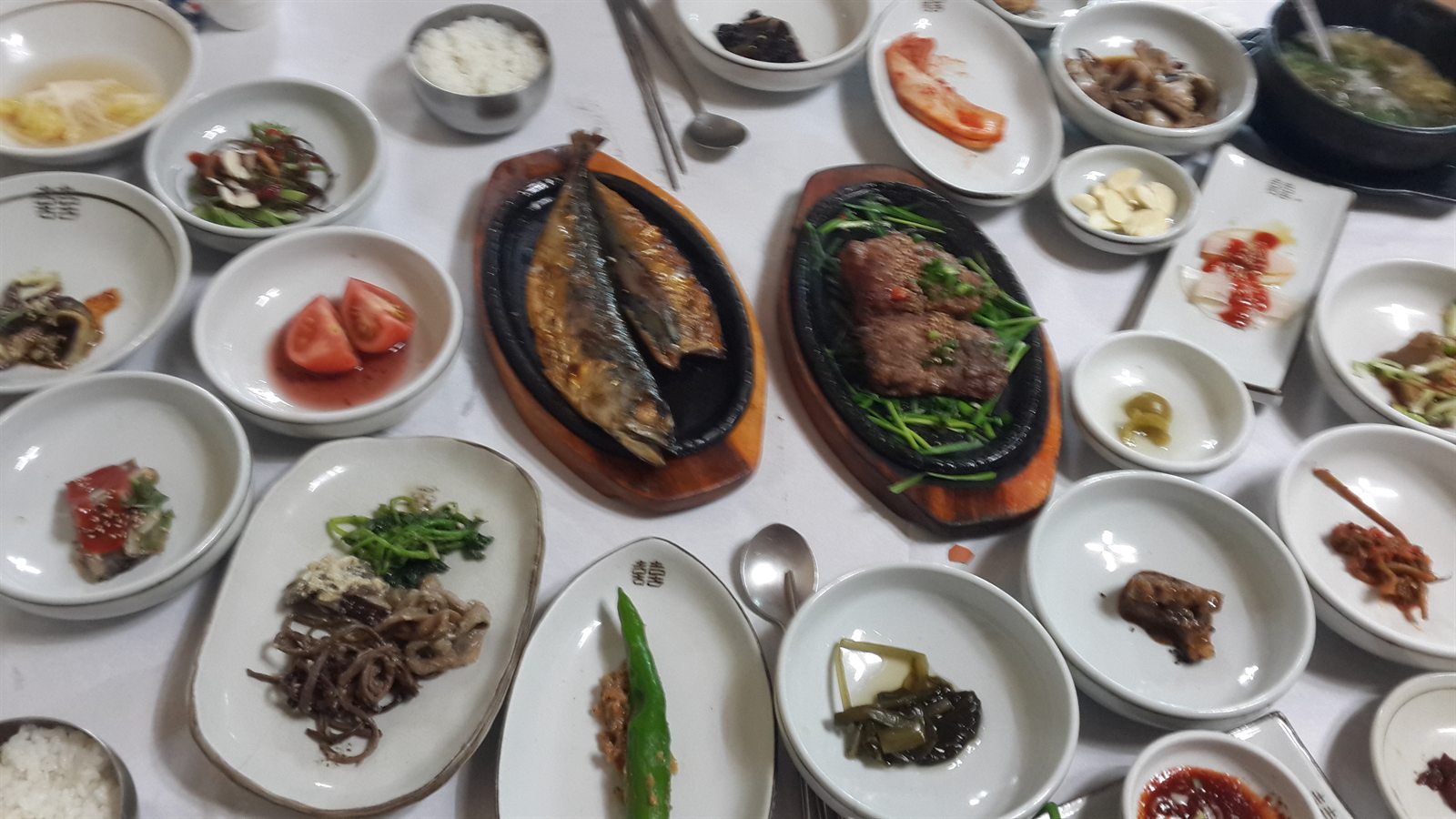
A table-culture visual for banchan, rice, stew, fermented sauce context, tea pairings, and traditional sweet guides.
A close food-first visual for gimbap, lunchbox, rice-topper, snack sampler, and low-commitment K-food browsing.
A food-first noodle visual for cold bite, spicy sauce, comfort bowls, portion choice, and low-prep meal paths.
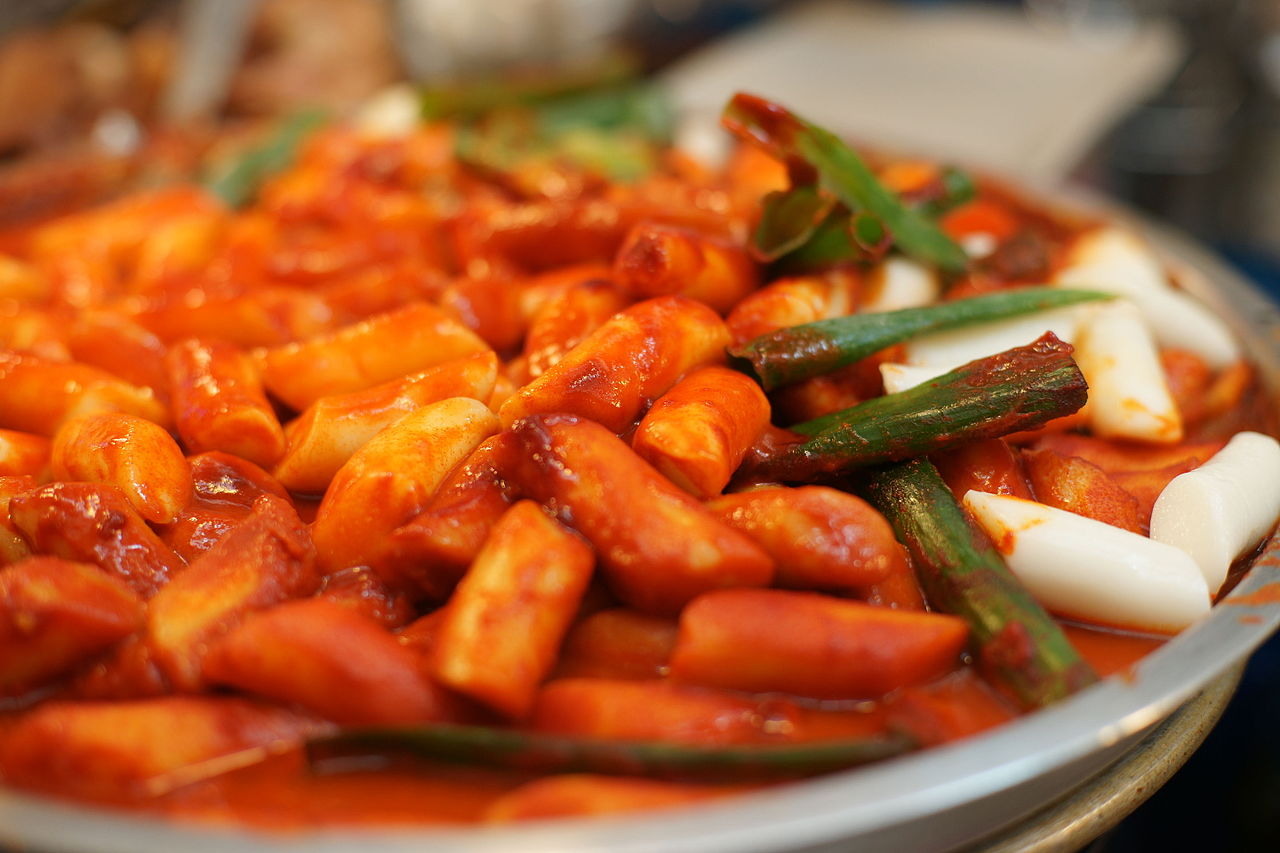
A close street-food visual for spicy-sweet rice cakes, sauce bowls, snack nights, and heat-level questions.

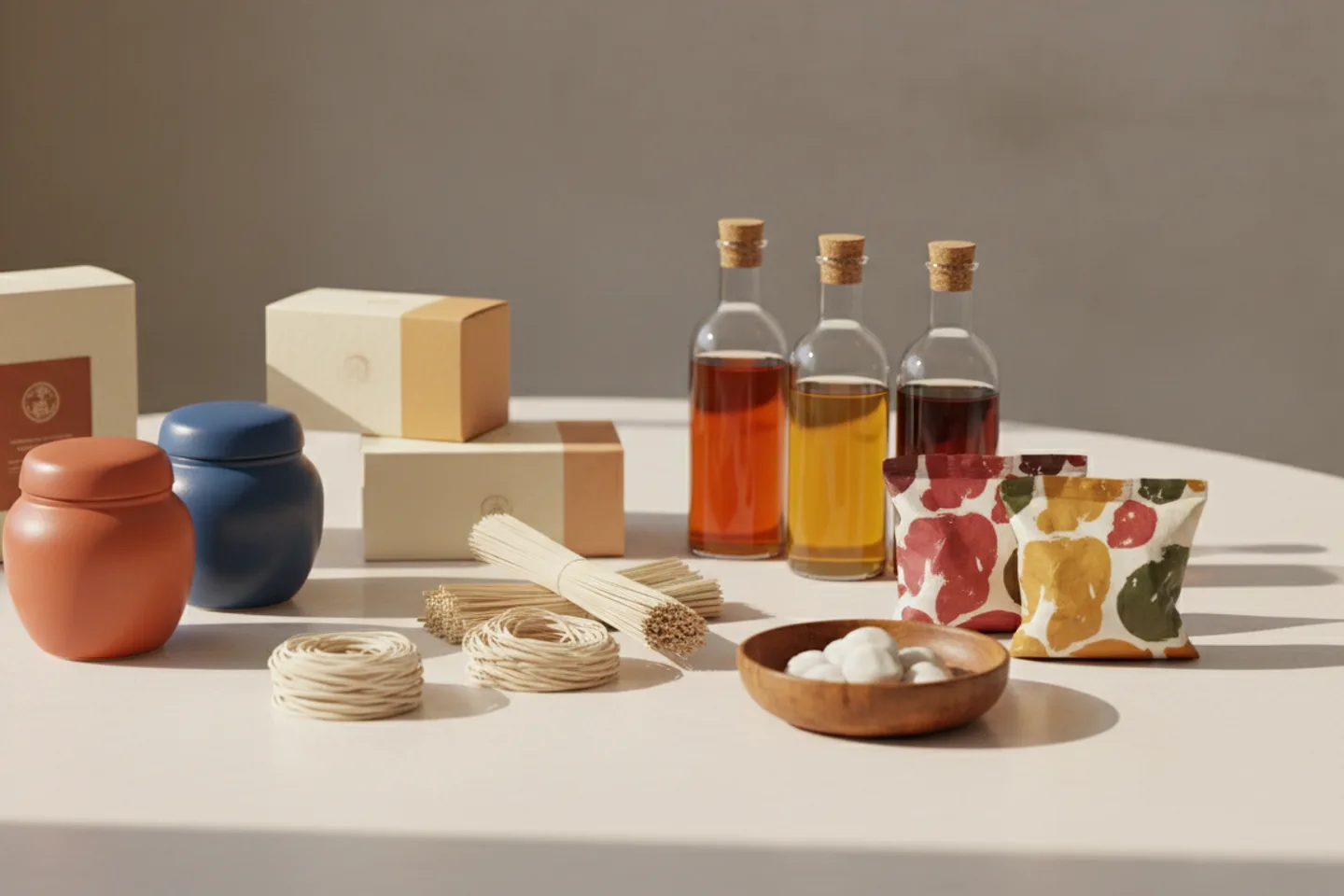
A neutral packaging visual for sampler boxes, giftable sweets, tea pairings, and browse-before-buy decisions.
A trade-intent visual for category, market, volume, timeline, and import responsibility questions.

A clean review-desk visual for label, allergen, claim, catalog, and buyer-material preparation content.
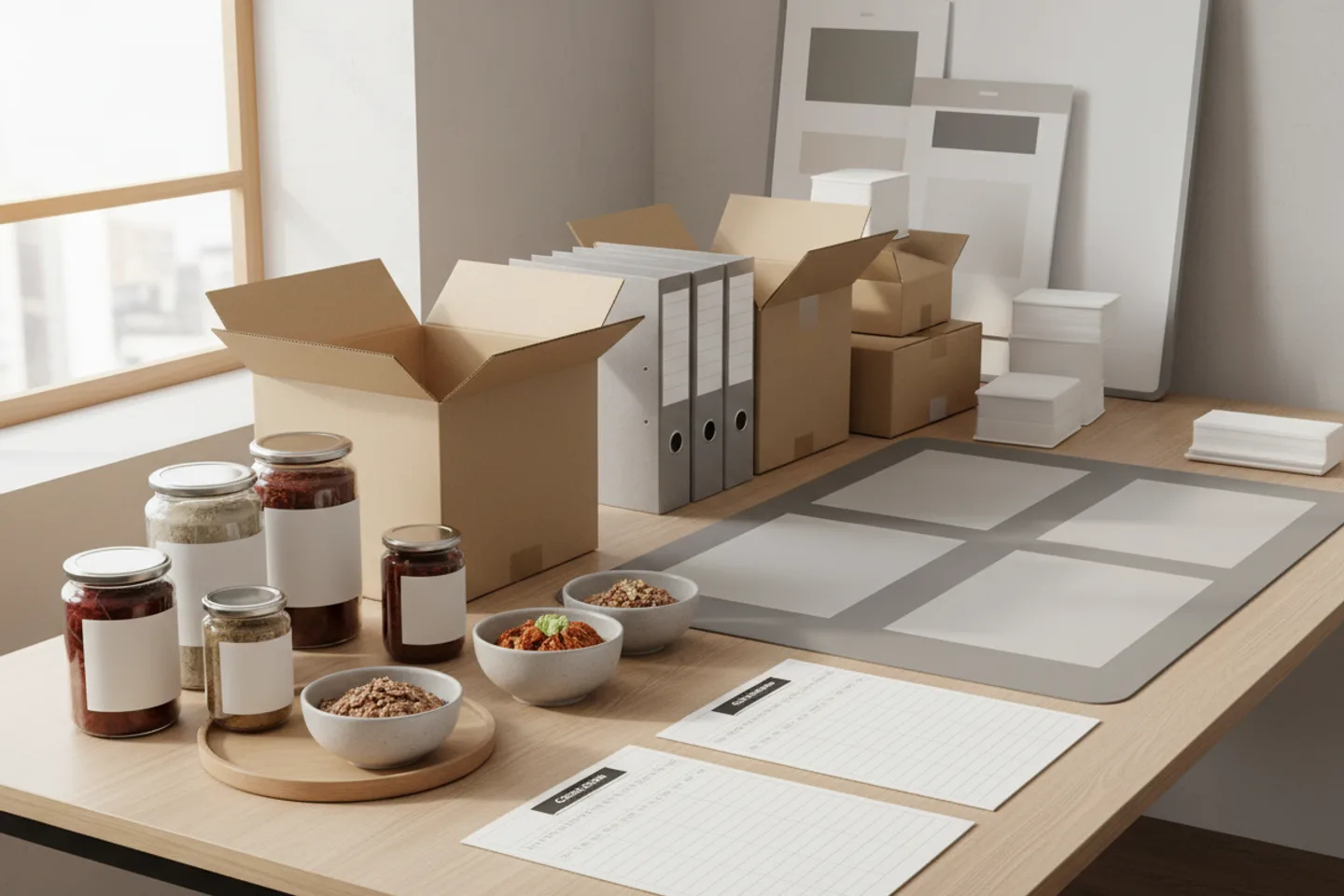
A Korean company preparation visual for catalog structure, product documents, and demand handoff.

A practical worktable visual for Korean manufacturers preparing samples, cartons, and buyer-facing materials.
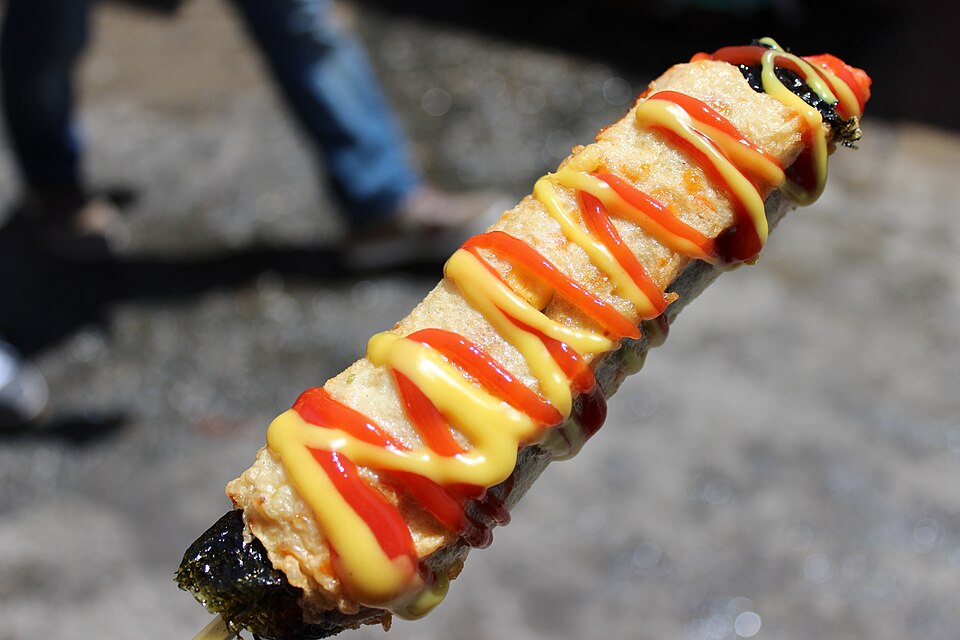
A Busan fish-cake visual that gives the snack path a regional street-food cue without treating one stall or product as proof.
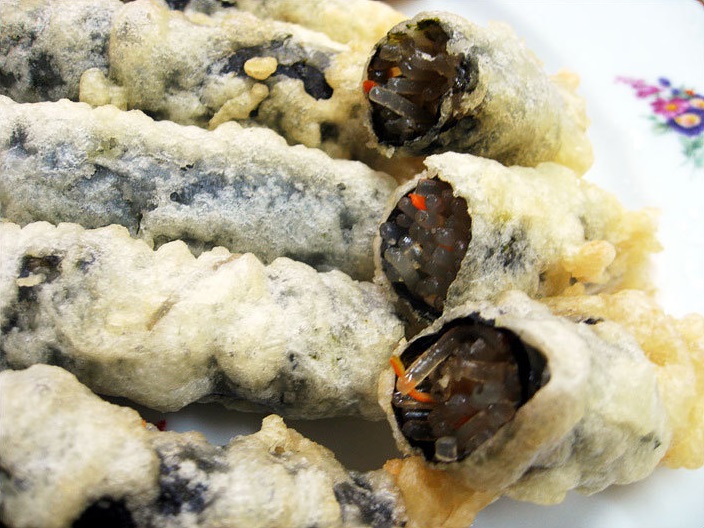
A fried seaweed-roll visual for snack, noodle-side, and tteokbokki-table moments.
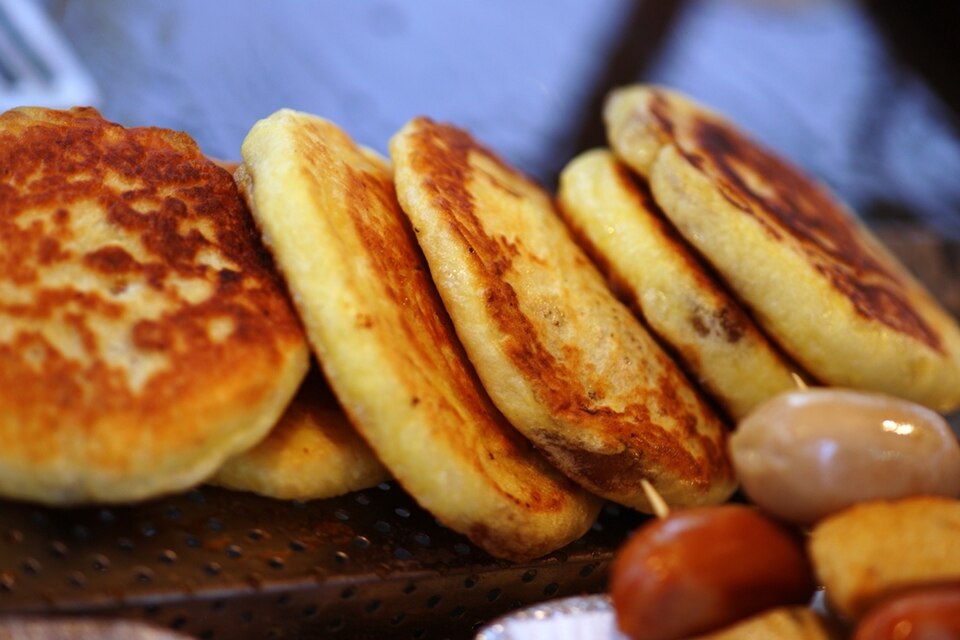
A hotteok visual for sweet street-food, winter snack, dessert, and sampler education.
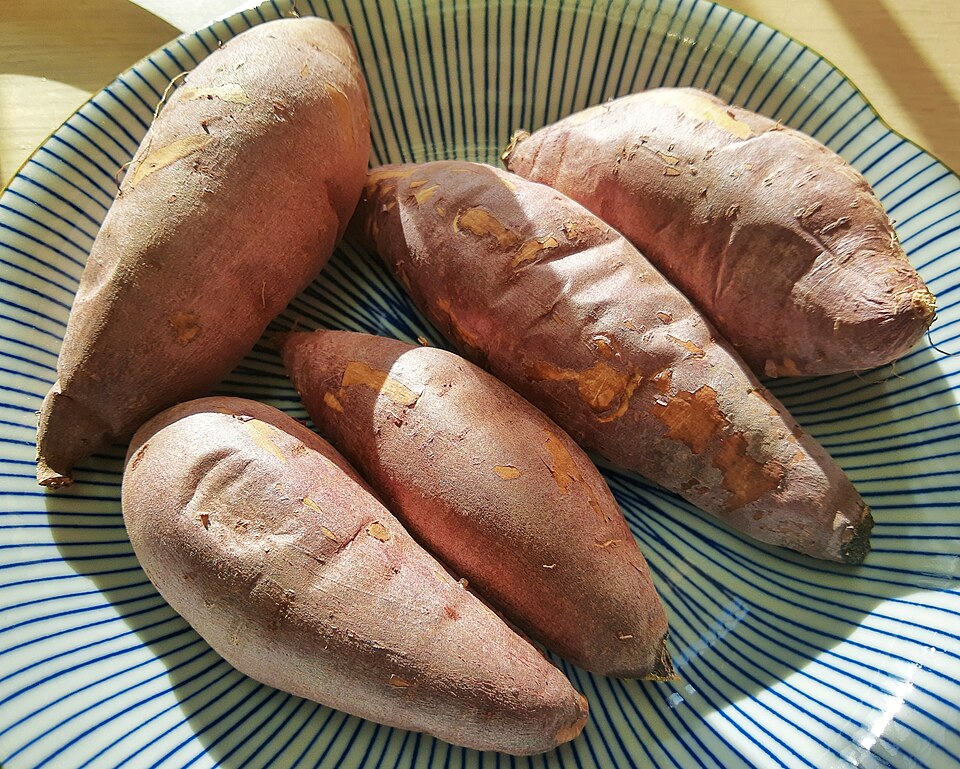
A roasted sweet potato visual for gentle snack, winter comfort, and low-prep Korean pantry discovery.
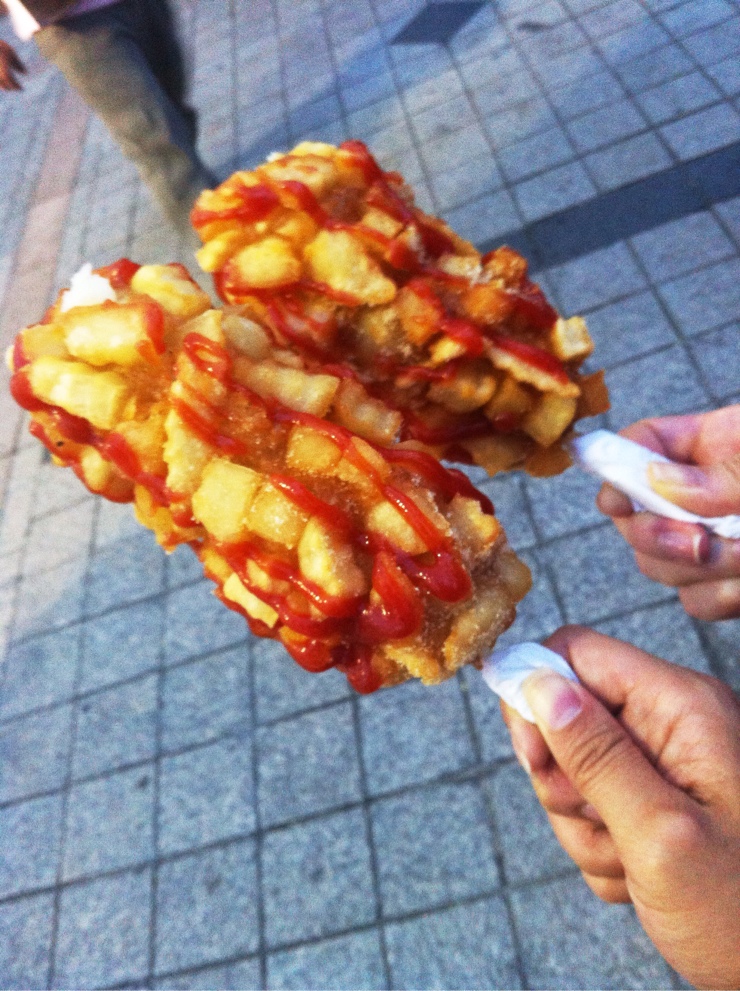
A modern street-food visual for snack curiosity, texture contrast, and first-bite discovery.
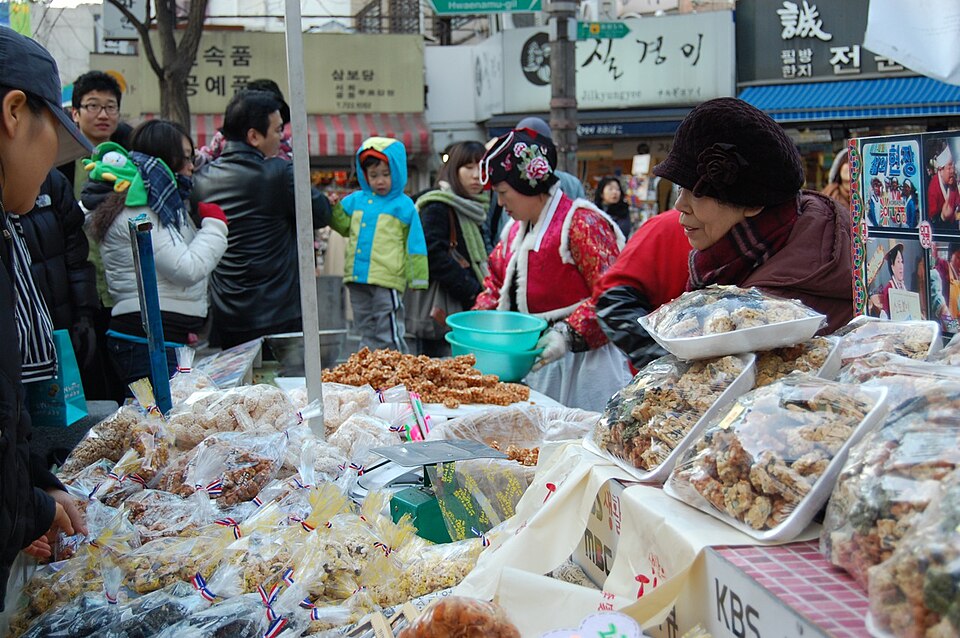
A traditional sweet stall visual for giftable sweets, tea pairing, and Seoul food-walk context.
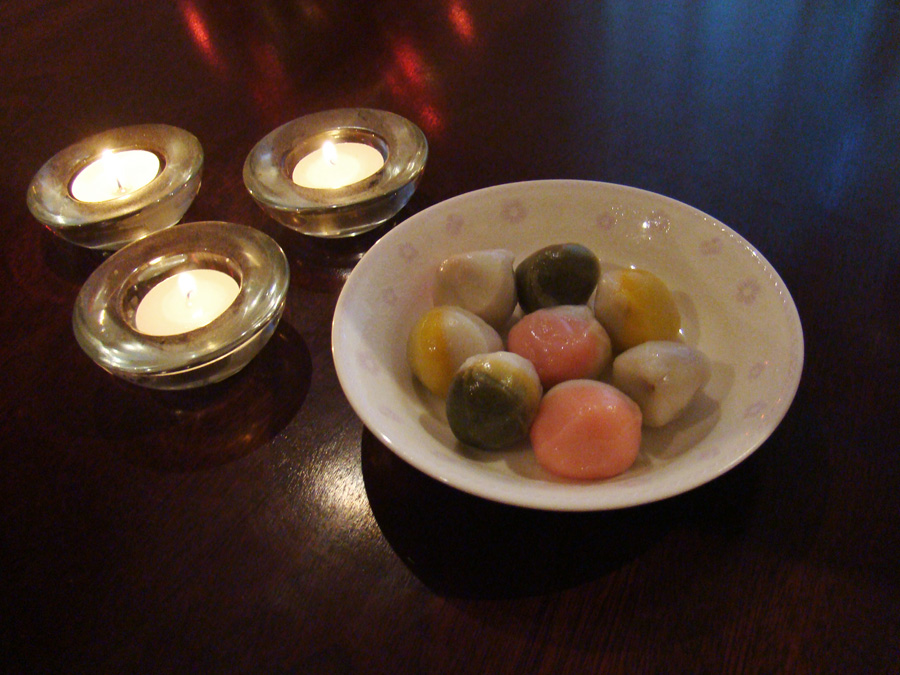
A songpyeon visual for rice-cake texture, holiday sweets, tea pairing, and heritage context.
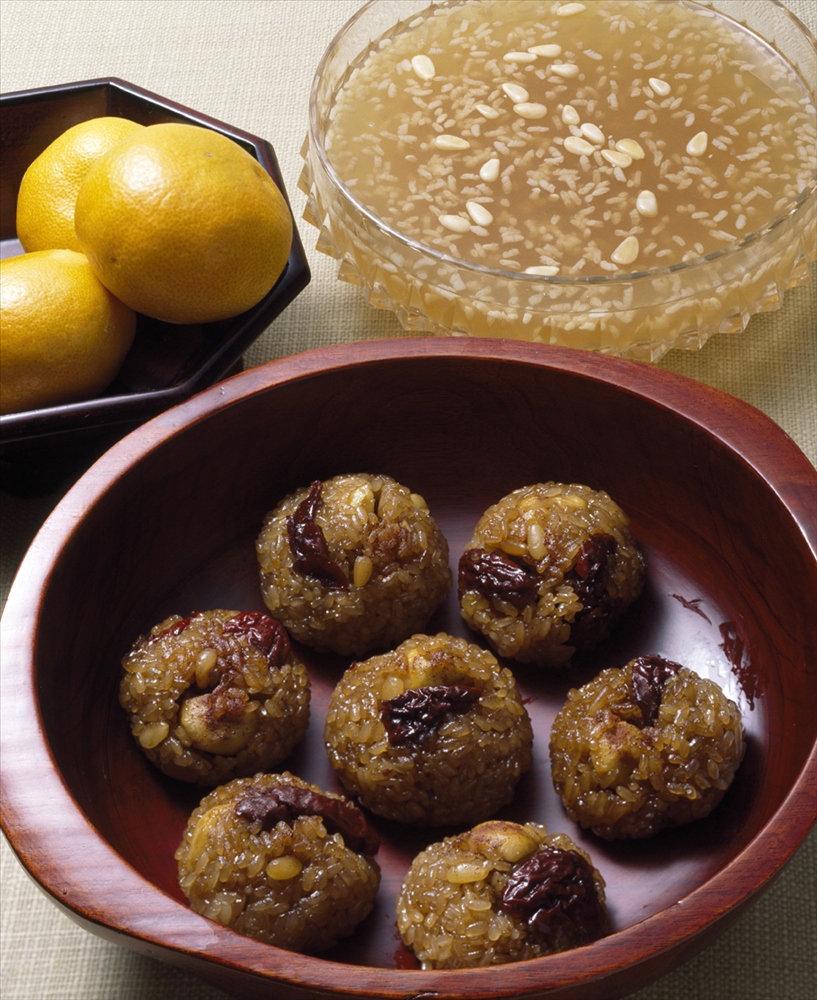
A sweet rice visual for nuts, jujube, giftable dessert, and slower tea-table context.
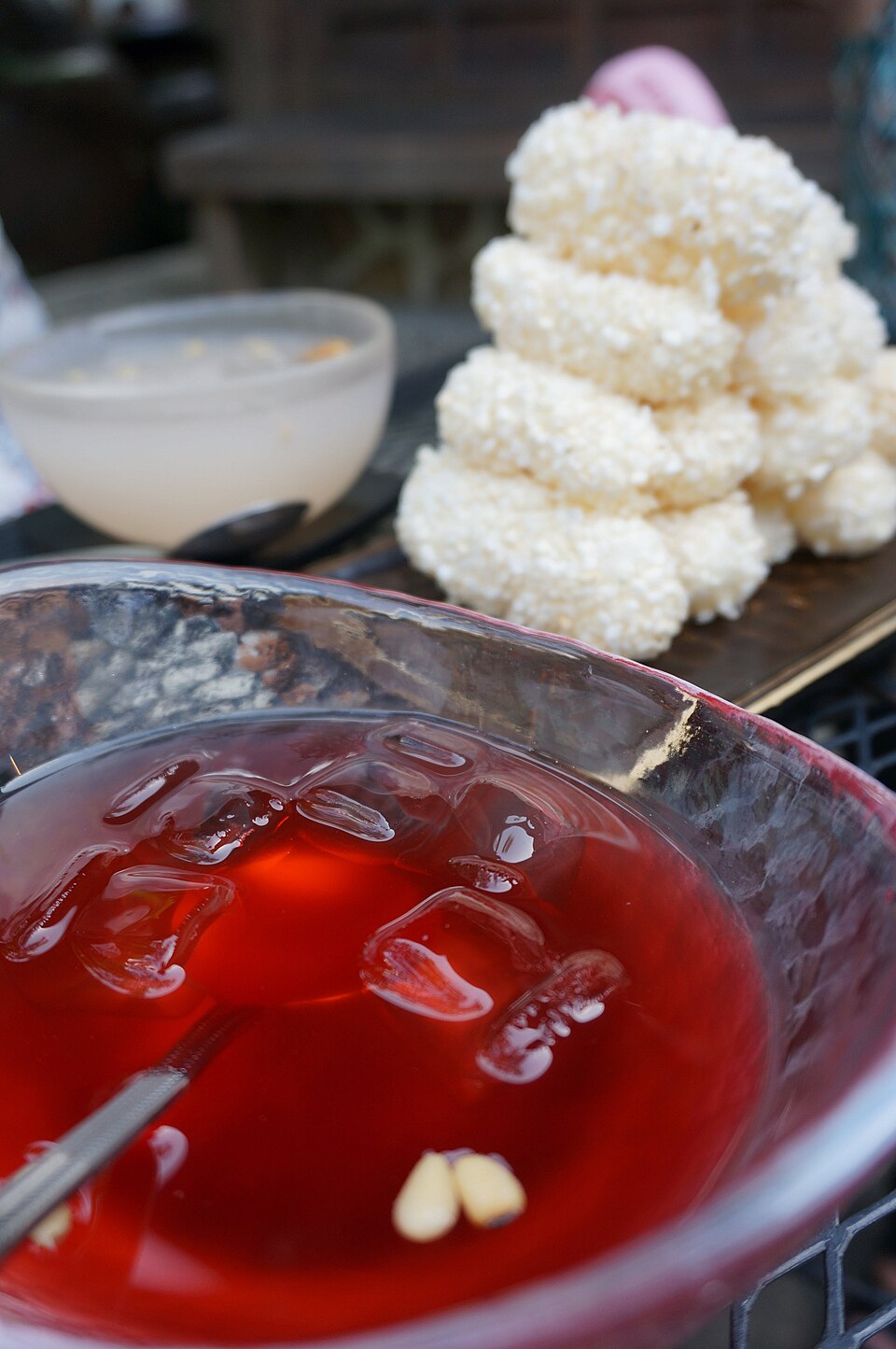
A tea-and-sweet pairing visual for dessert discovery without wellness language.
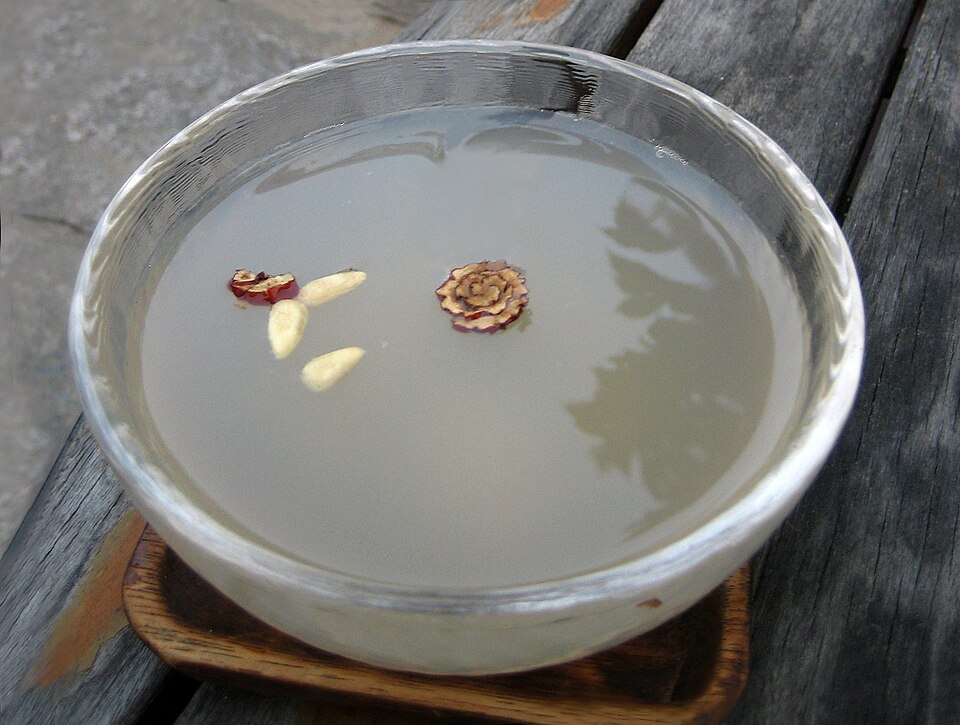
A traditional rice-drink visual for beverage mix, dessert, and chilled serving context.
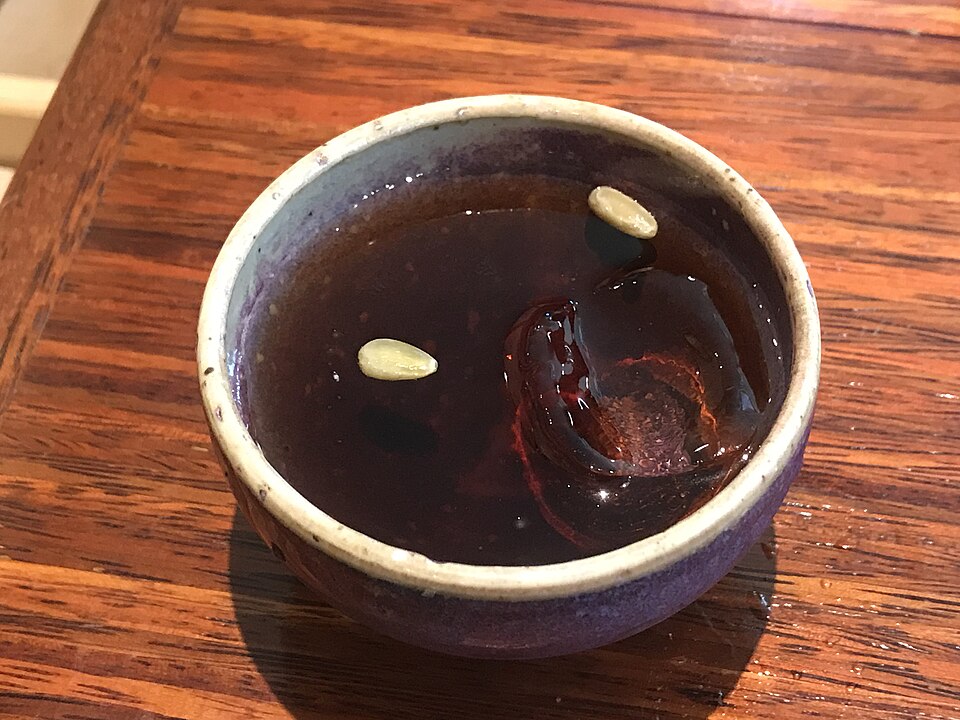
A cinnamon punch visual for traditional beverage, sweet finish, and claim-safe drink education.
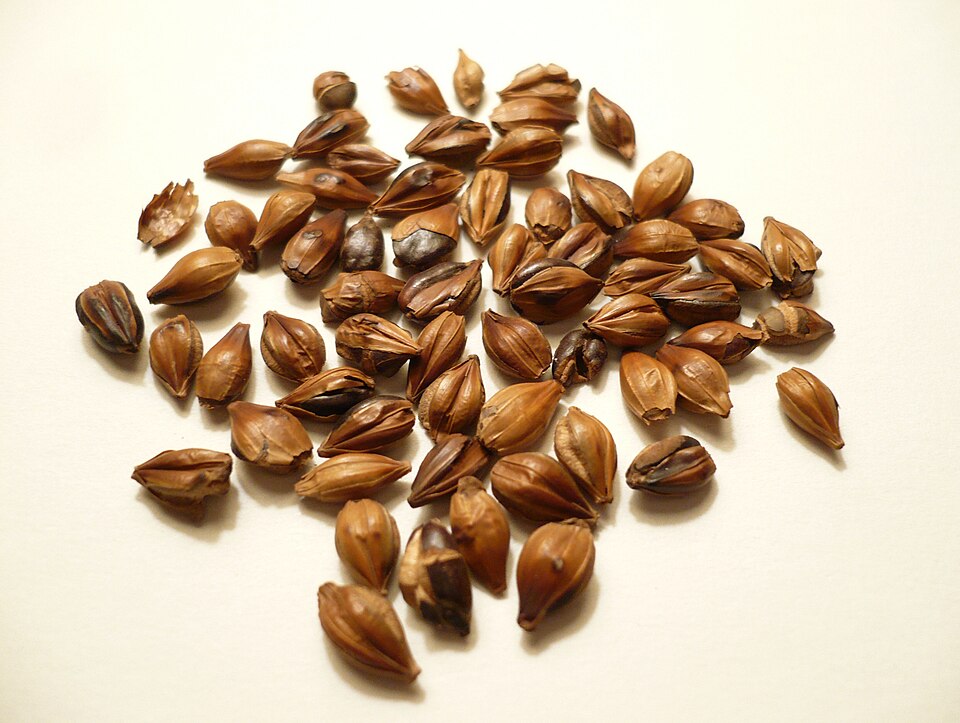
A barley tea visual for everyday Korean drink context, hot or chilled serving, and claim-safe copy.
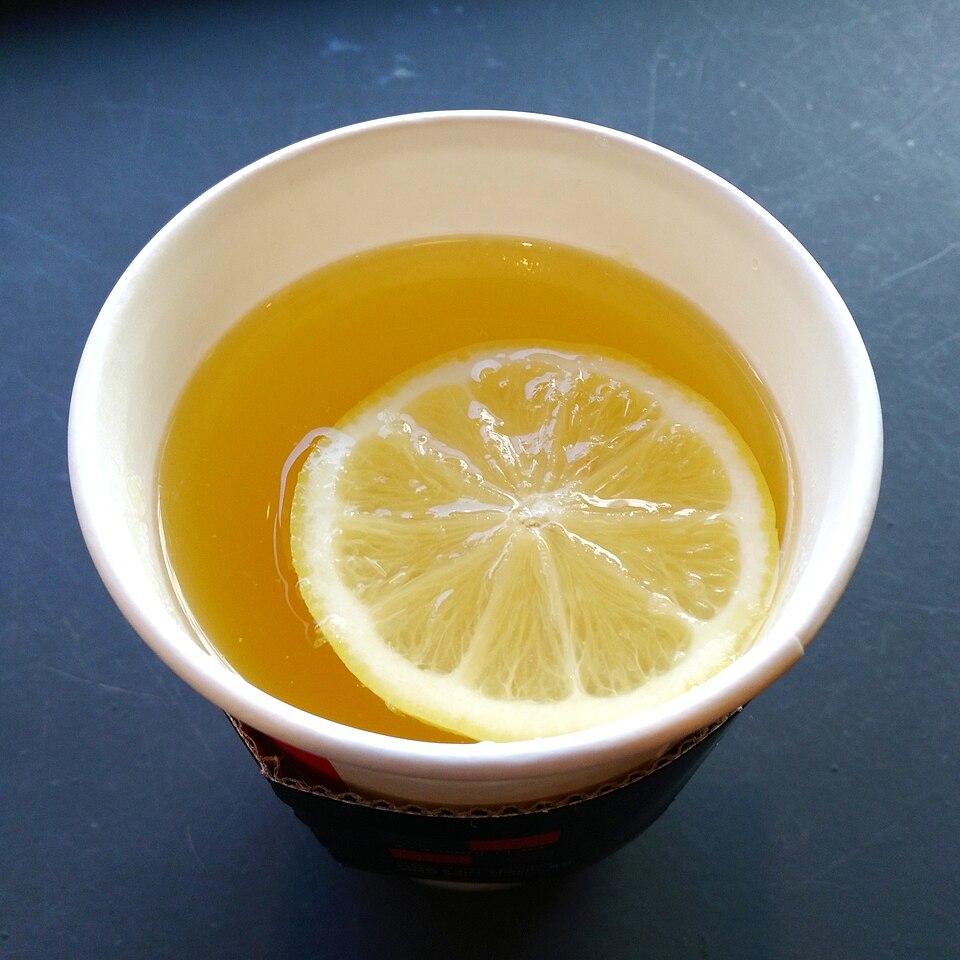
A yuja tea visual for sweet citrus drinks, cafe-style serving, and giftable beverage context.
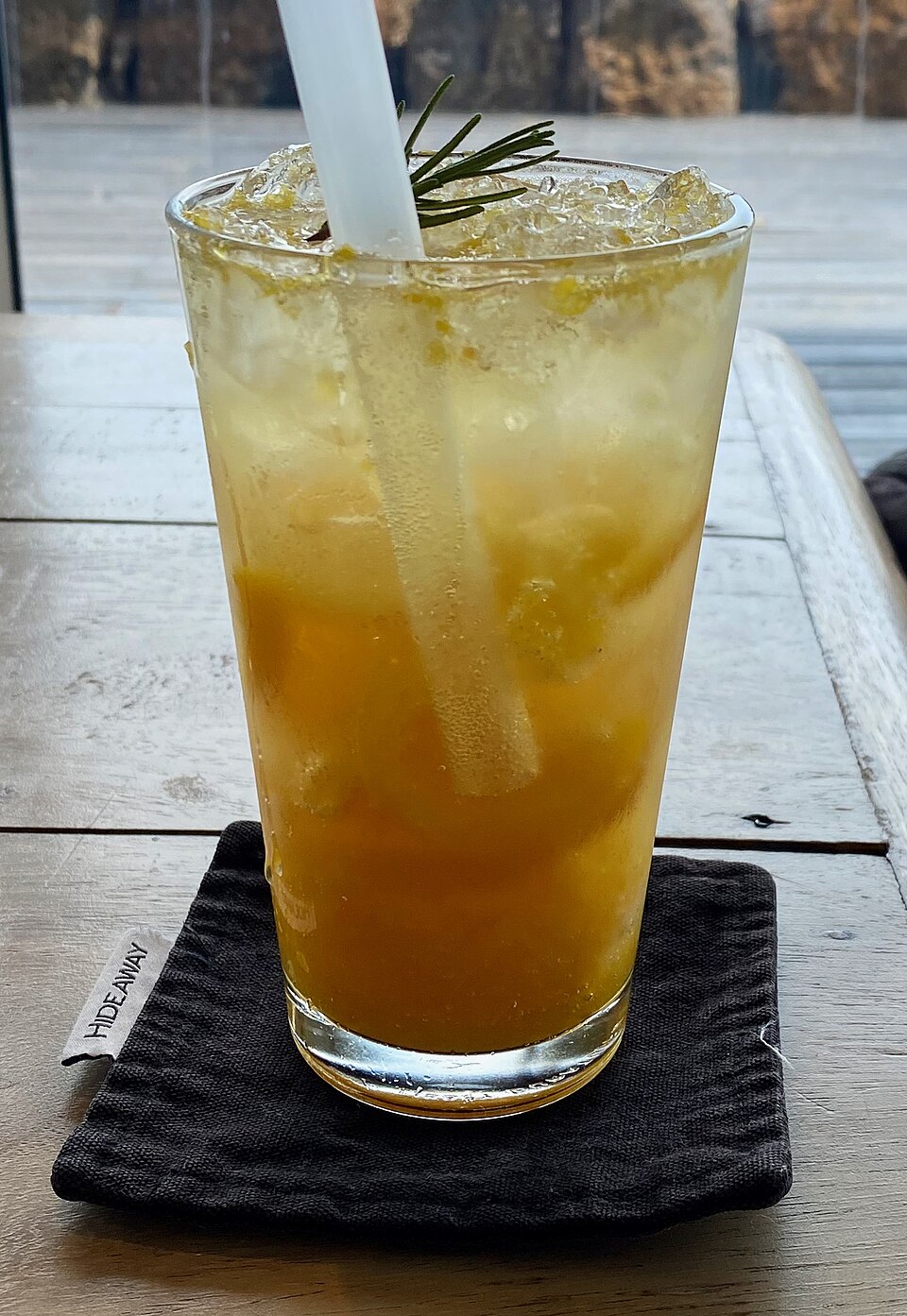
A Jeju citrus drink visual for regional beverage cues and sweet refreshment context.
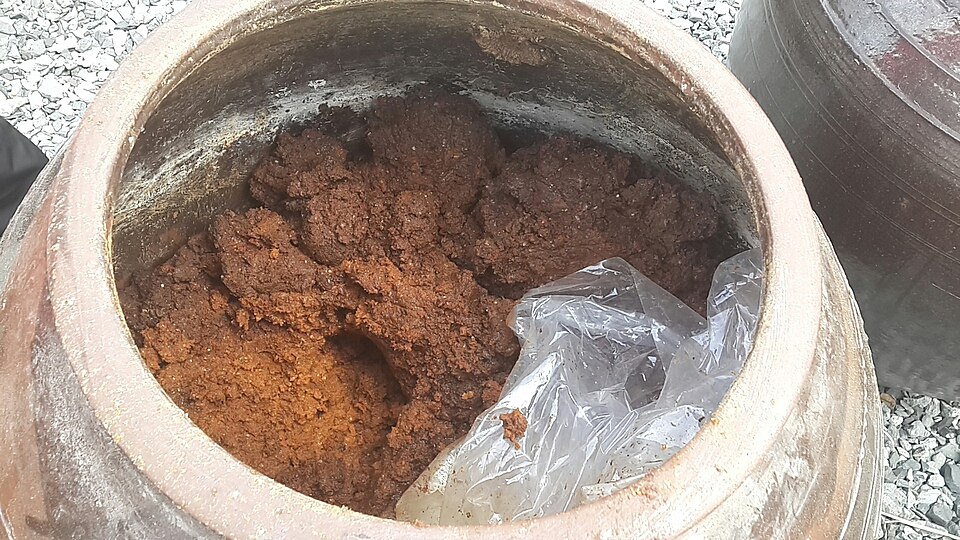
A fermented paste jar visual for sauce, pantry, regional food culture, and heritage-safe context.
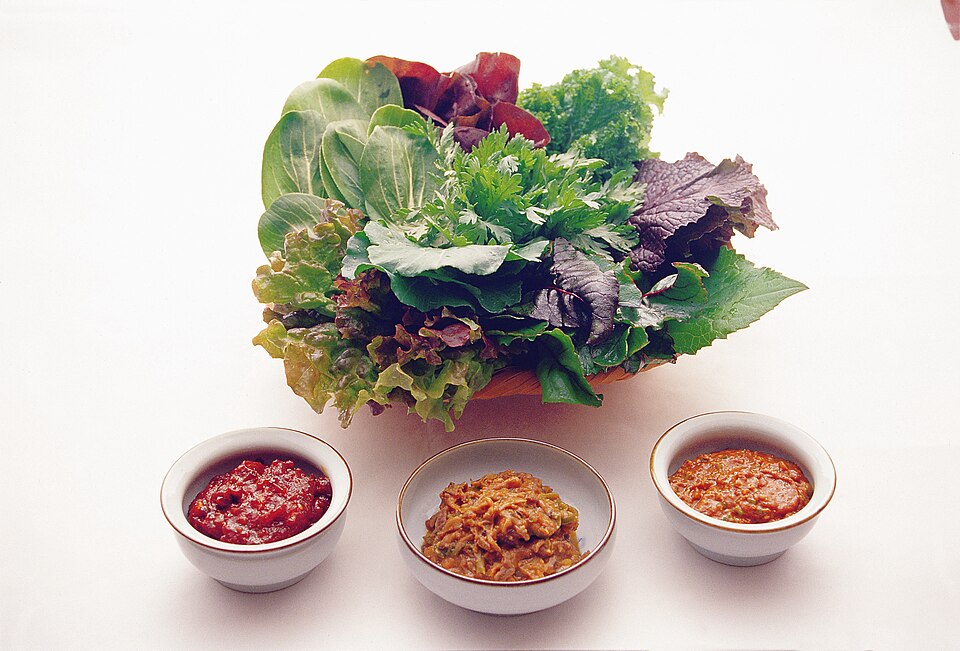
A wrap-table visual for ssamjang, vegetables, barbecue night, and dip decisions.
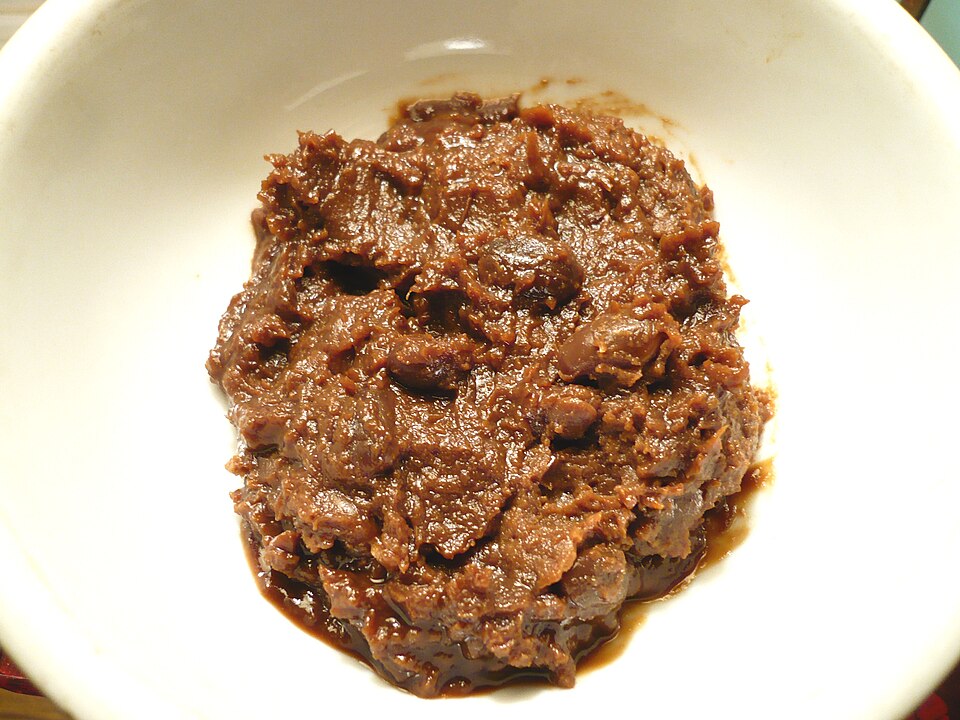
A soybean-paste texture visual for pantry education and sauce comparison.
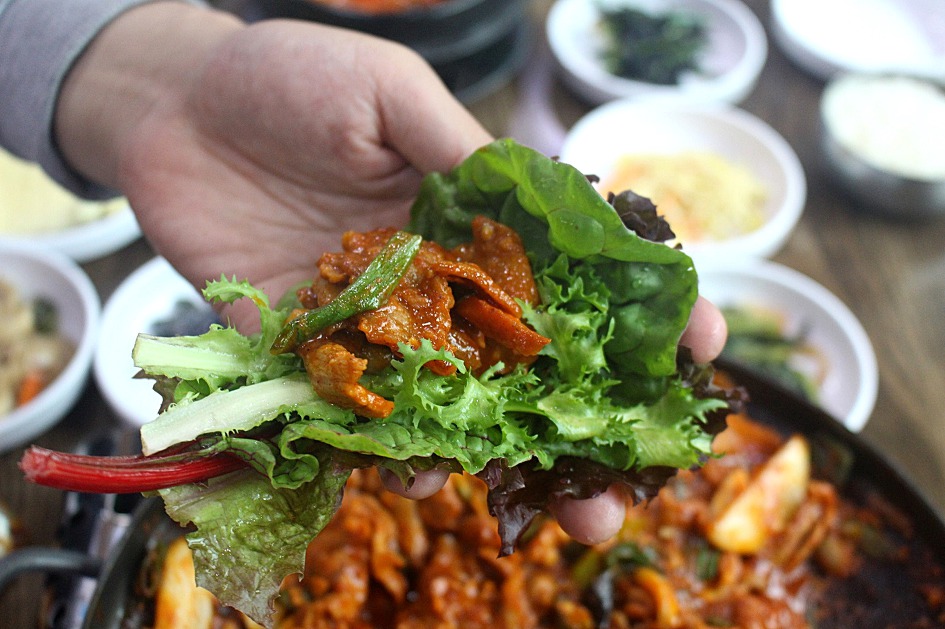
A meal-use sauce visual for gochujang, barbecue, wraps, and rice-table decisions.
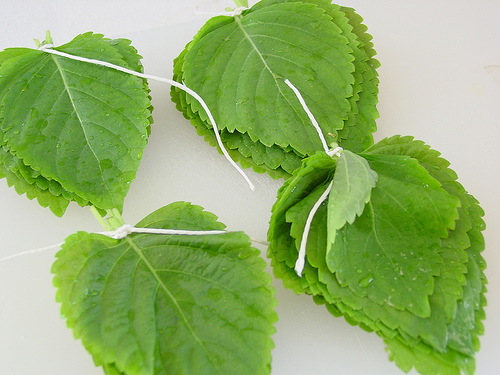
A perilla leaf visual for fresh-herb context, wraps, banchan, and pantry education.
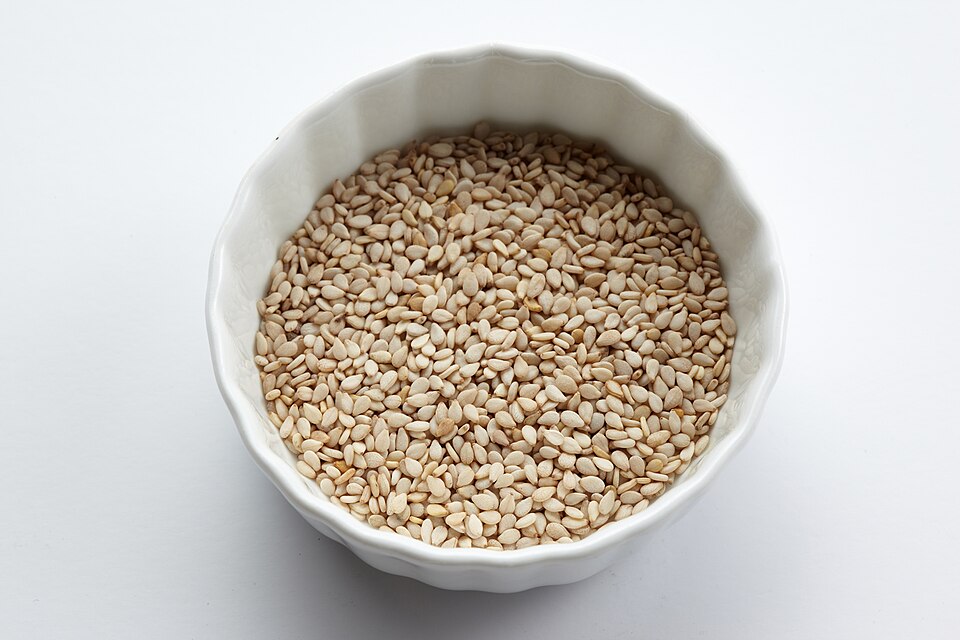
A sesame seed visual for finishing cues, rice bowls, sauces, and pantry basics.
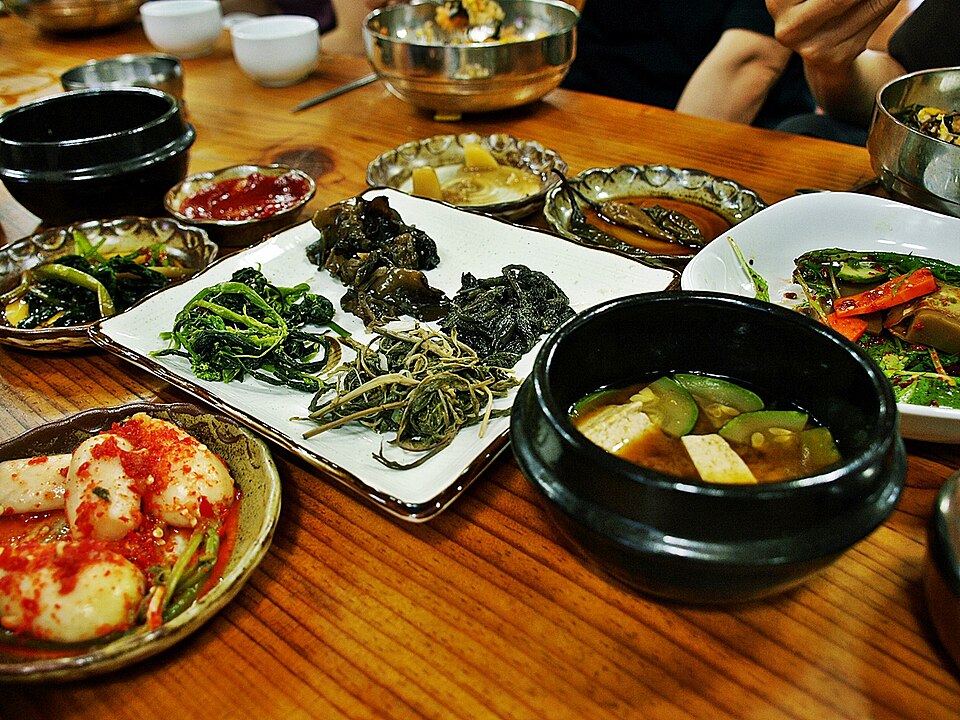
A stew-and-banchan table visual for pantry role, sauce role, and everyday meal structure.
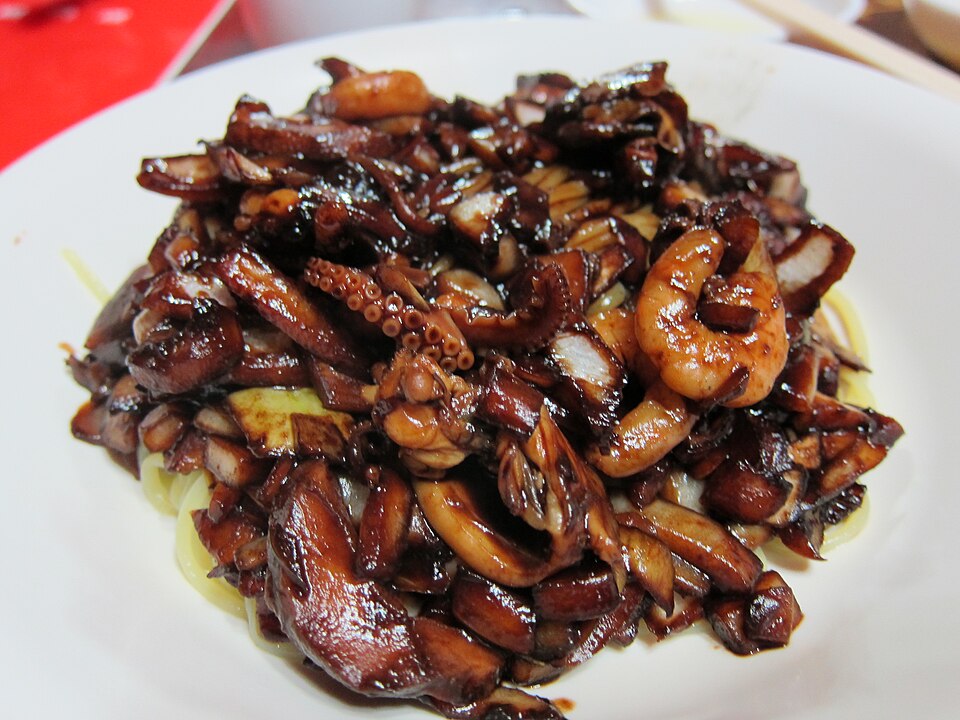
A black-bean noodle visual for comfort noodles, sauce texture, and meal mood comparison.
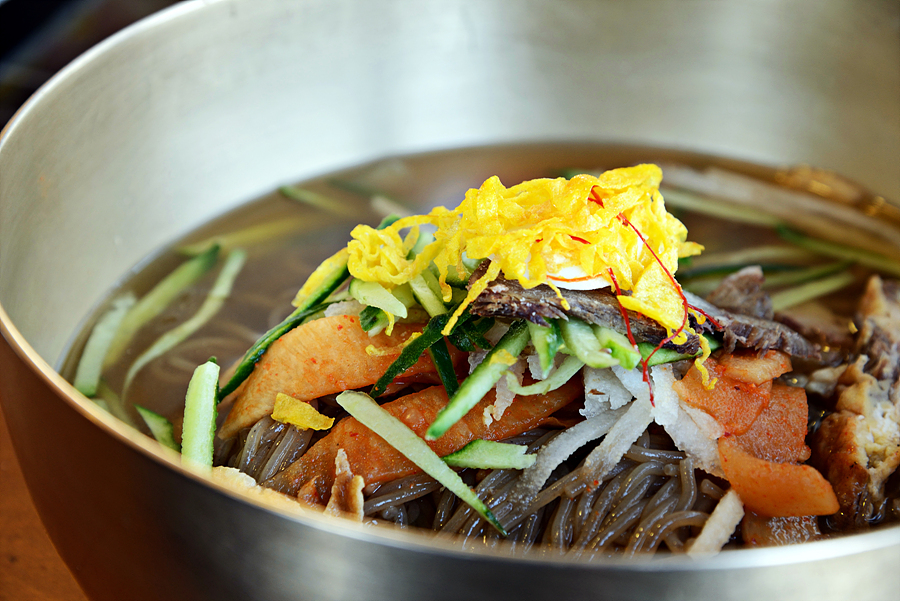
A cold noodle visual for regional noodle choice, summer serving, and heat-free meal context.
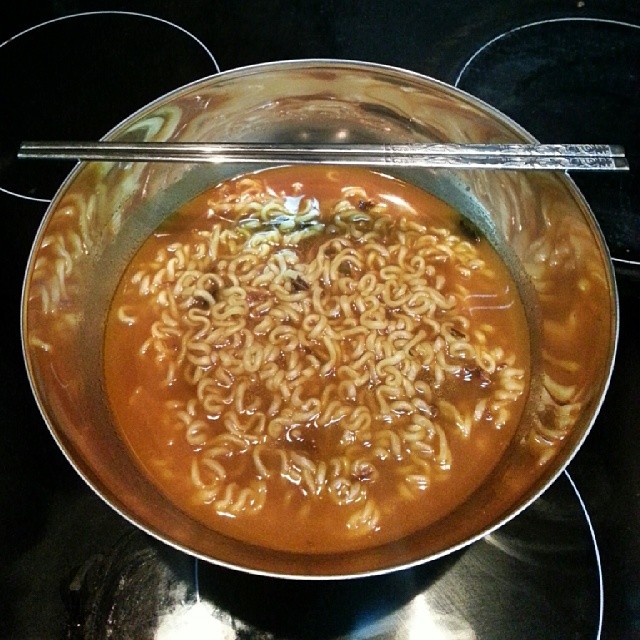
A spicy noodle visual for fast meal, pantry heat, and beginner-friendly ramen context.
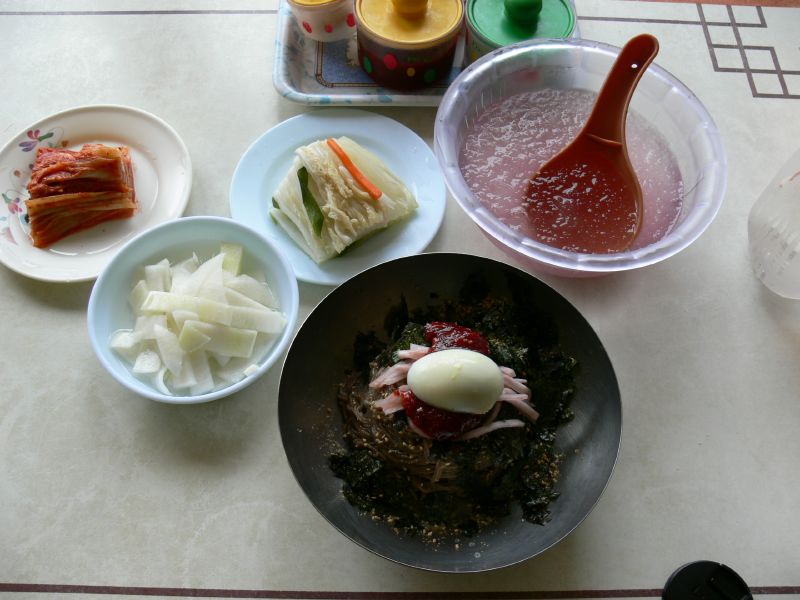
A buckwheat noodle visual for cold-prep, sauce mix, and regional noodle education.
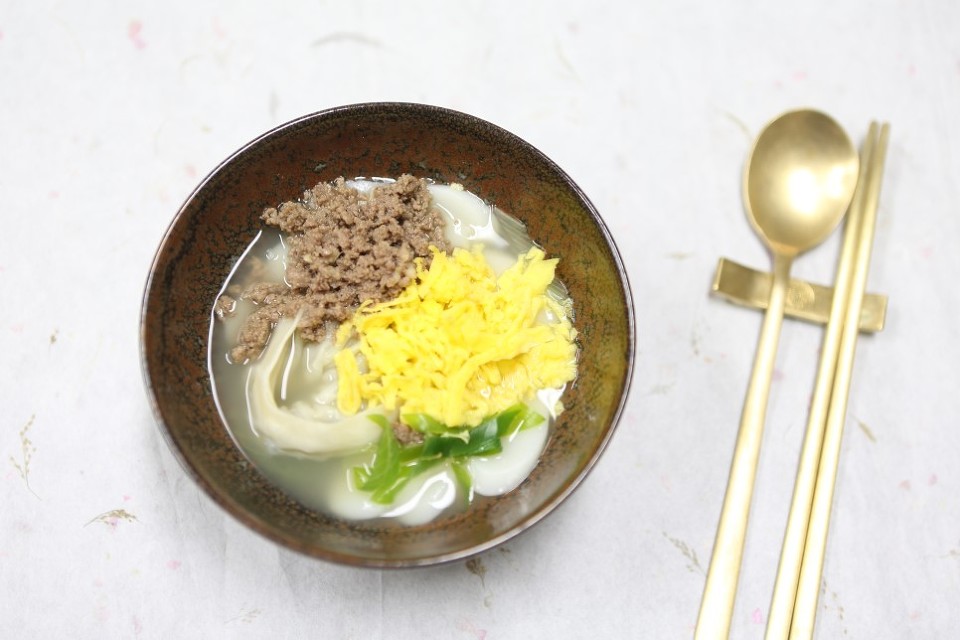
A rice-cake dumpling soup visual for rice cake, dumpling, and comfort meal context.
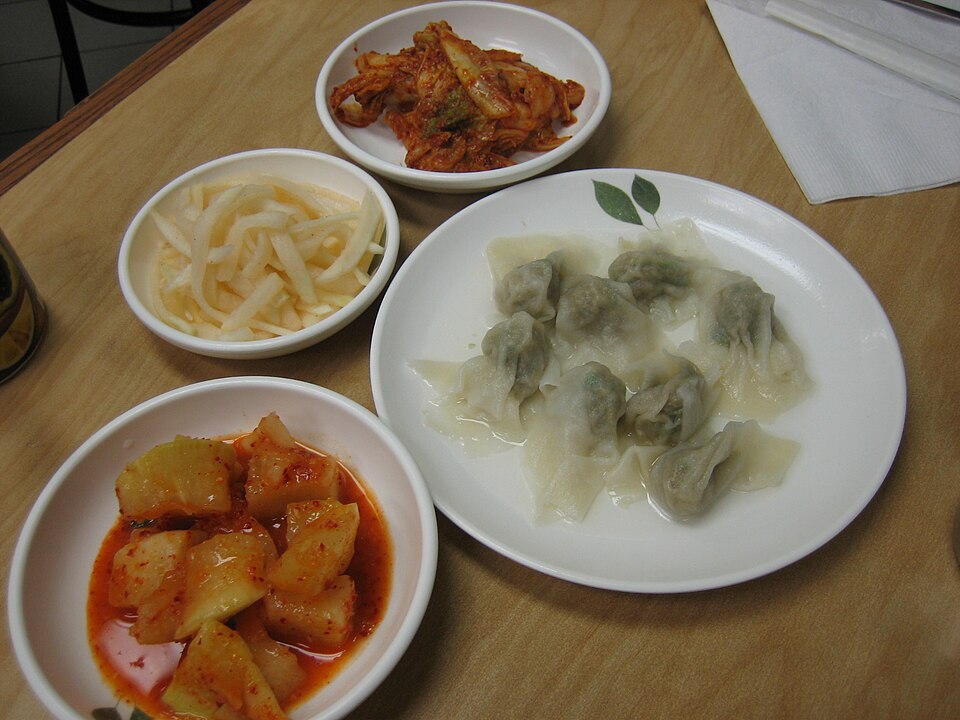
A dumpling-and-kimchi visual for pantry meals, snack plates, and side-dish context.
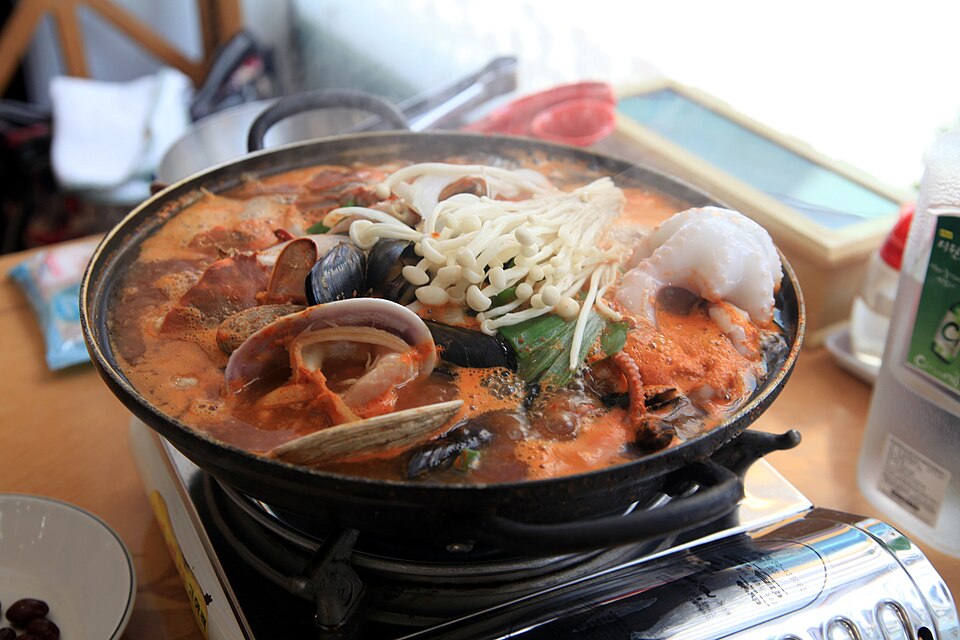
A Busan seafood soup visual for regional meal context and seafood pantry questions.
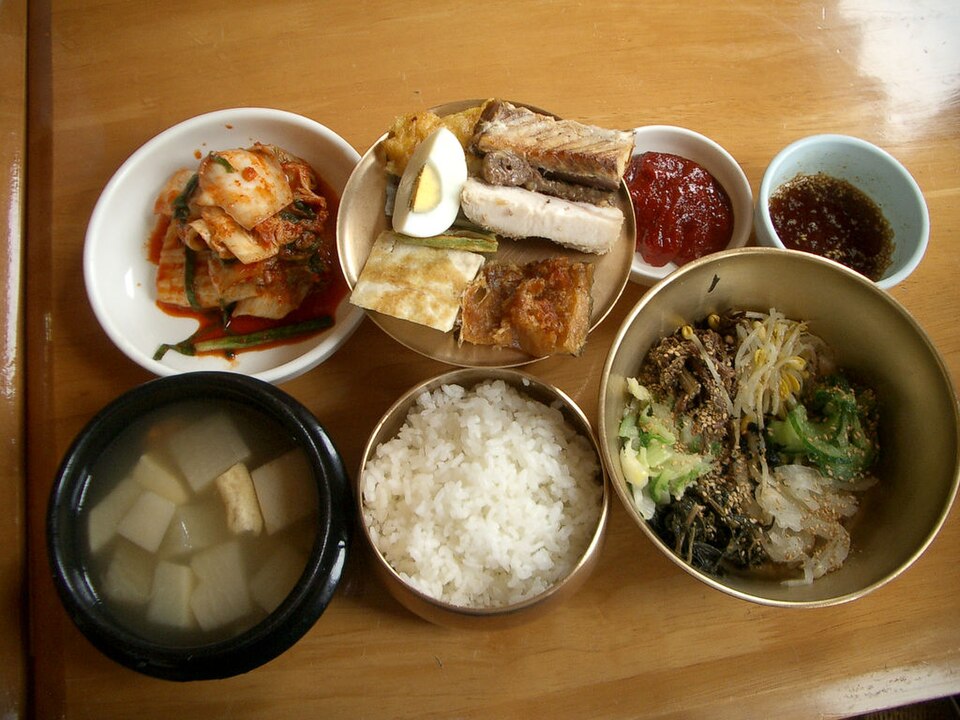
An Andong table visual for regional hansik, rice bowls, banchan, and heritage context.
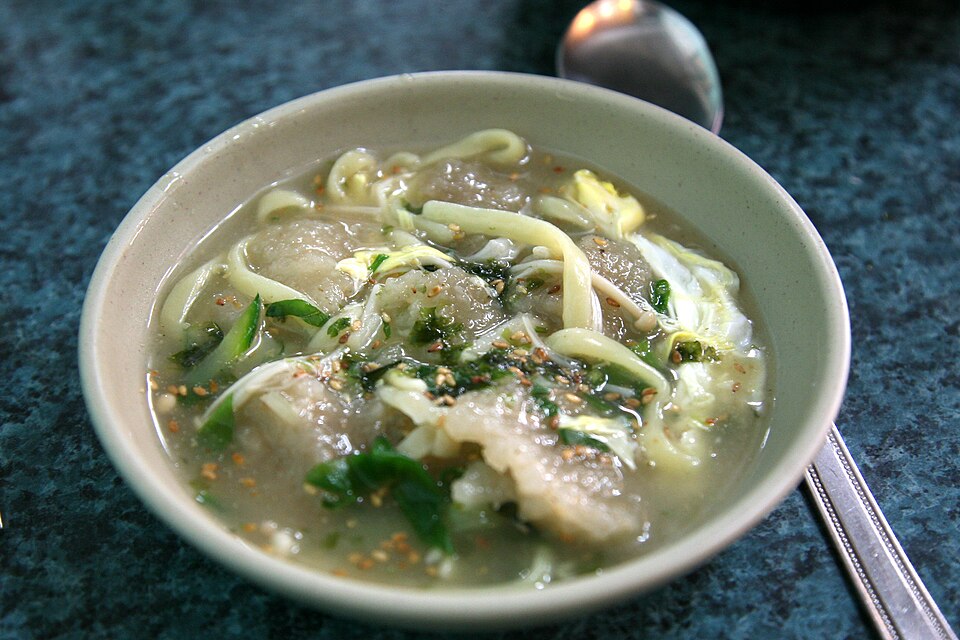
A potato dumpling soup visual for regional comfort food and pantry-meal education.
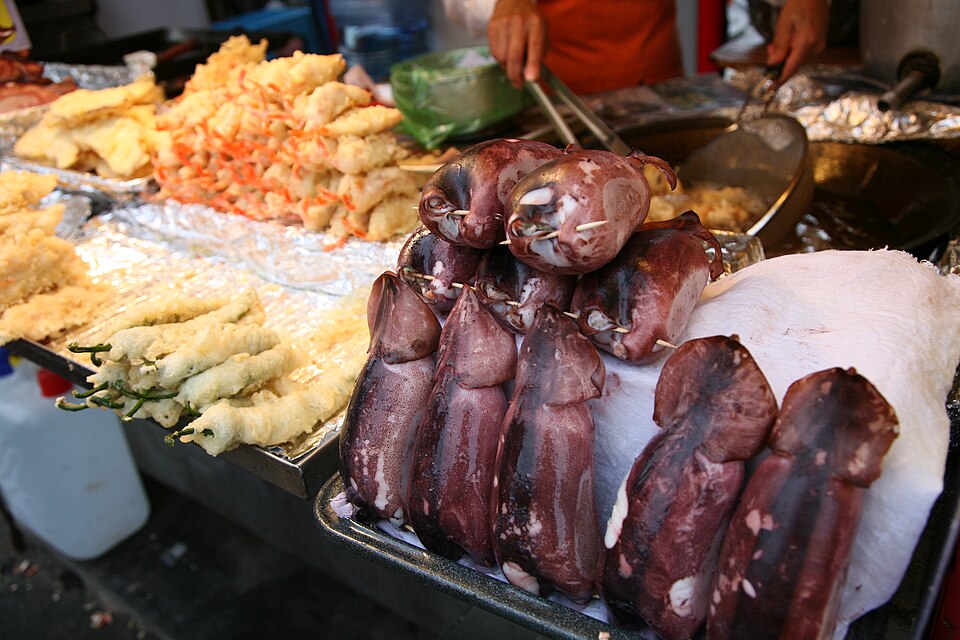
A Sokcho port snack visual for fried food, seafood, and regional discovery.
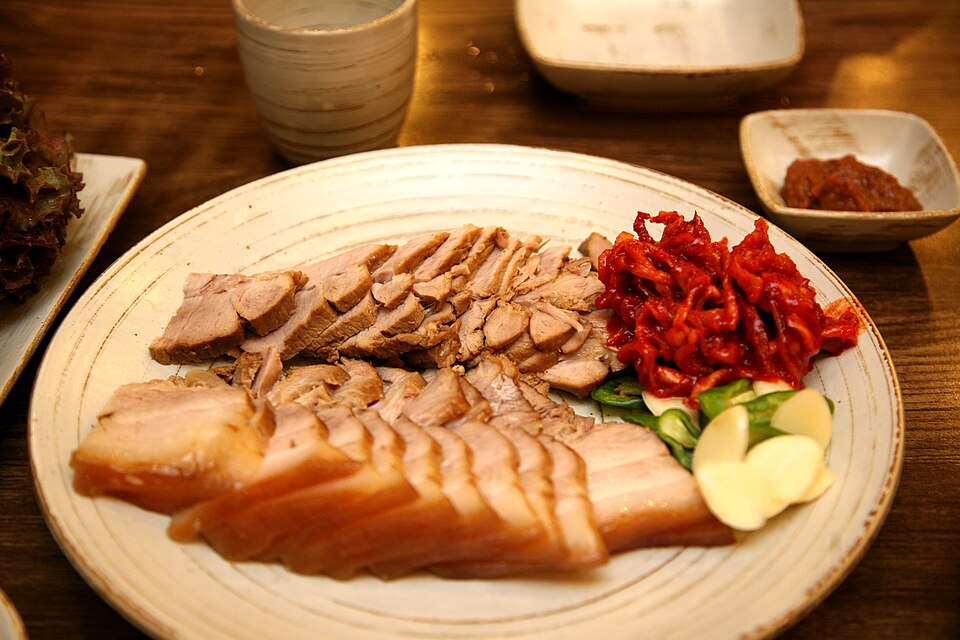
A steamed pork visual for regional table context, dipping sauce, and shared meal education.
Table context
Spicy comfort, crisp snack, quiet tea, lunchbox rice, sweet gift, and fast pantry meal all lead to different product families.
A product becomes easier to understand when it has a place beside rice, noodles, tea, sauce, banchan, dessert, or a sampler set.
Old cookbooks and royal-table sources create context for sauces, grains, sweets, and serving habits without turning history into a product claim.
Shelf-stable Korean snack ideas for low-friction discovery, gift boxes, and sampler moments.
TasteCrunch, sweetness, seaweed salt, or chewy rice texture can lead the choice.
TableFits movie nights, office pantry shelves, lunchboxes, and sampler gifts.
Next bitePick the texture first, then compare pack count and sharing size.
Sauce, dipping, and marinade guides that help you choose by use case while keeping import inquiries separate.
TasteHeat, sweetness, garlic, sesame, or barbecue gloss turns a plain meal into the moment.
TableBelongs next to rice, noodles, grilled food, fried snacks, or a dipping bowl.
Next biteStart with the job: dip, drizzle, marinade, stir-fry, or rice-bowl lift.
Noodle and ready-meal guides for high-recognition K-food discovery, seasonal education, and buyer demand qualification.
TasteThe pull is broth, sauce, chew, heat, and the comfort of a fast bowl.
TableFits late-night cooking, campus shelves, lunch breaks, and pantry fallback meals.
Next biteChoose the meal mood first, then check heat level and toppings.
Pantry and dry-good guides for shoppers building Korean meal habits and for buyers screening shelf-stable product fit.
TasteSavory seasoning, rice add-ons, and dry mixes make repeat meals easier.
TableLives beside rice, eggs, soup, vegetables, noodles, and weekend cooking.
Next biteLook for the habit role: base, topping, seasoning, or quick side.
Tea and beverage ritual guides that emphasize preparation, flavor, gifting, and claim-safe public copy.
TasteRoasted grain, citrus, honeyed sweetness, or clean aroma sets the pace.
TablePairs with rice crackers, yakgwa, breakfast, office cups, or quiet dessert.
Next biteChoose hot, iced, sweet, or roasted before comparing serving count.
Shelf-stable Korean beverage bases, grain mixes, and ready beverage guides for cultural discovery and buyer review.
TastePowder, syrup, grain, fruit, or milk-base formats shape the craving.
TableWorks as cafe-style drinks, breakfast cups, chilled dessert, or giftable samplers.
Next biteDecide the preparation moment first: hot, cold, diluted, or blended.
Traditional, giftable, and pop-culture Korean sweet guides for dessert discovery, tea pairing, and sampler merchandising.
TasteChewy, crisp, syrupy, jelly-like, or tea-paired texture leads the choice.
TableFits tea trays, party bowls, coffee tables, lunchbox treats, and gift shelves.
Next biteChoose texture and sweetness first, then compare pack format.