Sauce content helps you choose a use case before choosing a product.
Start with the craving
A sauce choice begins with the meal feeling: spicy-sweet rice bowl, street-food tteokbokki comfort, barbecue dipping, soy-garlic glaze, or an easy marinade for a weeknight protein. The craving explains the choice before the label does.
Choose by format
Condiment, cooking base, dipping sauce, and marinade are not the same job. The page makes it clear whether the product is meant for finishing, simmering, tossing, dipping, or marinating so the pantry role is clear before comparison.
Let the table moment lead
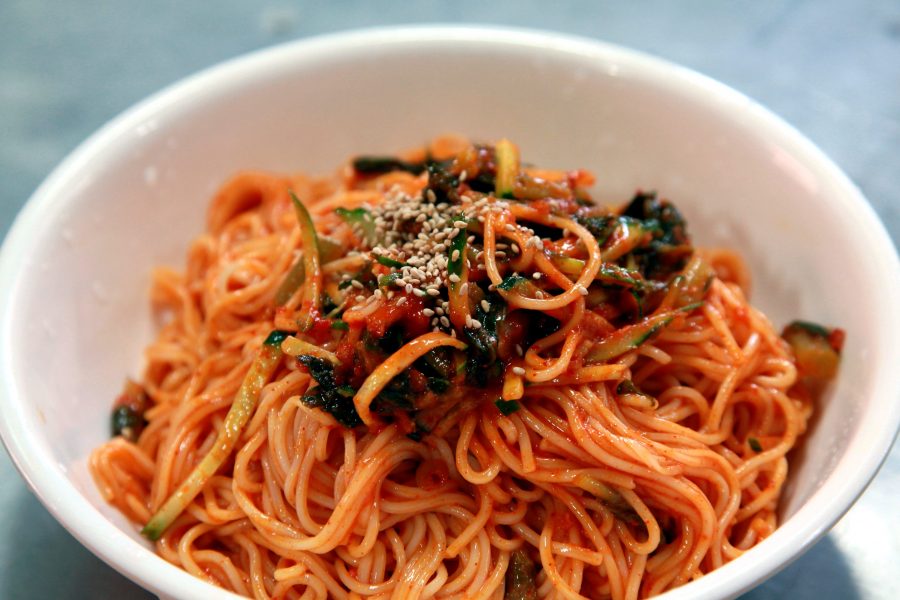
Sauce content becomes practical when it names the table situation: rice and egg, grilled meat, vegetable sticks, noodles, fried snacks, meal prep, or a shared dipping bowl. Those moments make the choice useful without needing a full recipe page.
Separate gochujang from every red sauce
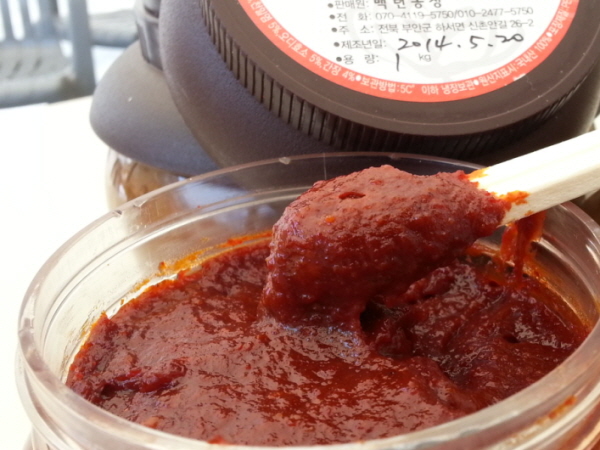
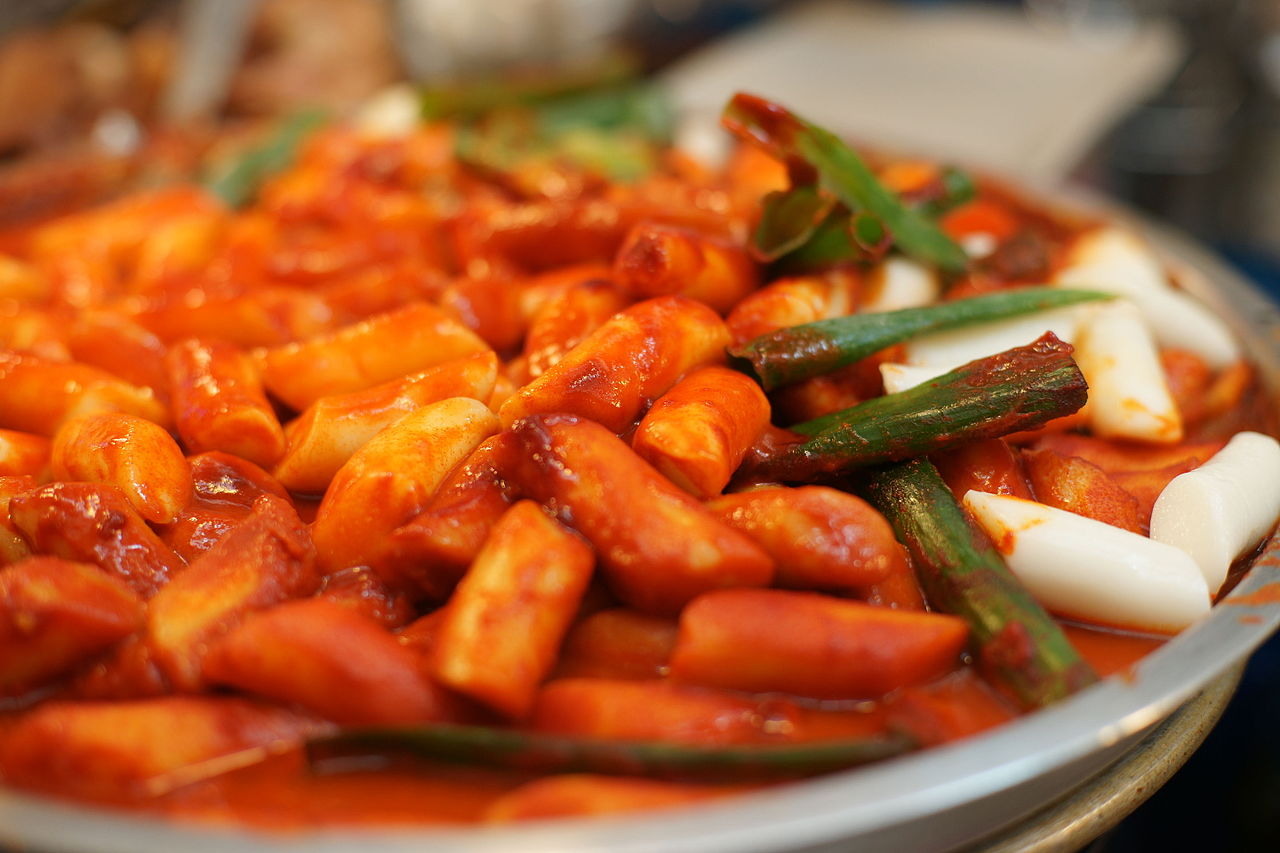
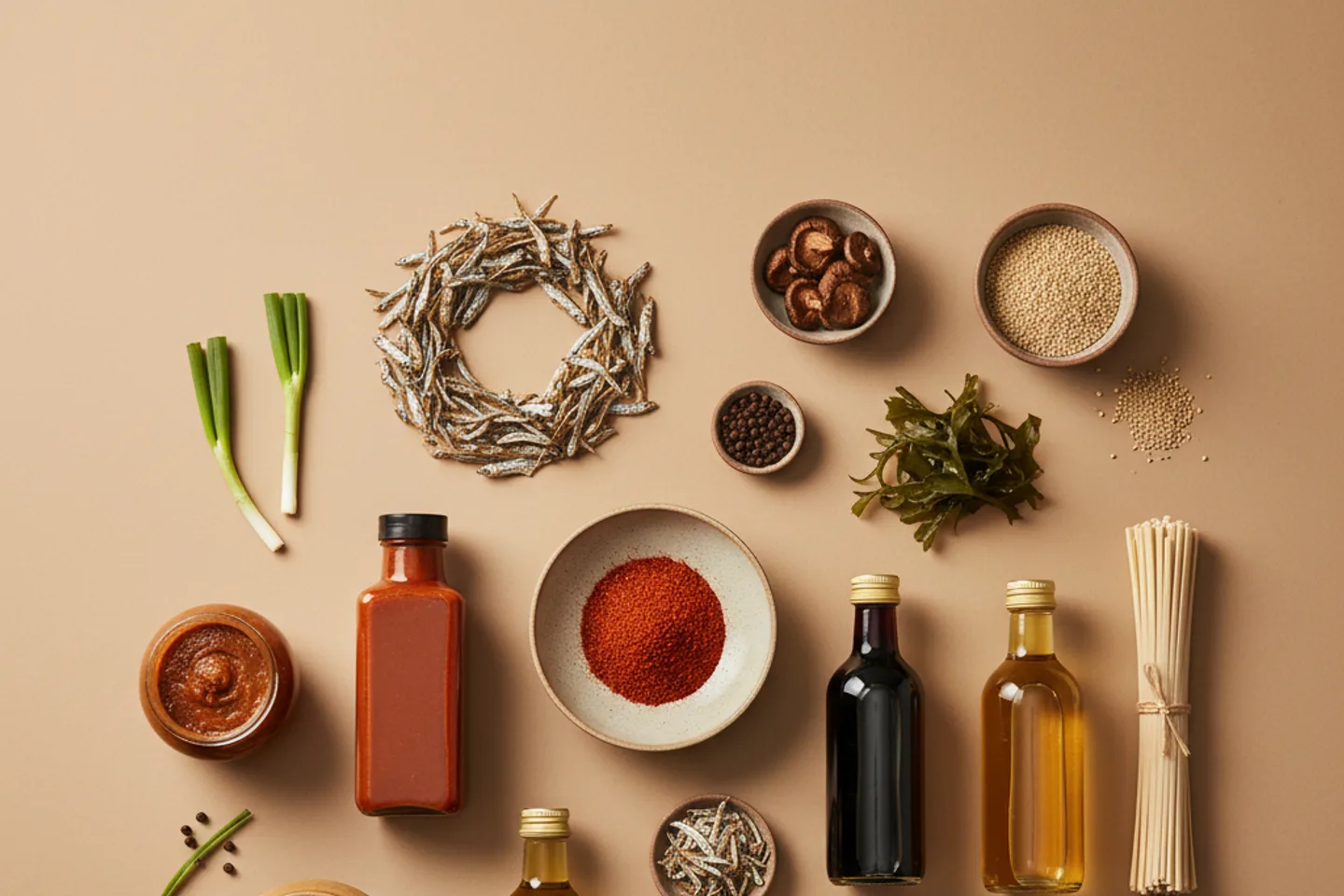
Gochujang works best in the guide as a flavor base with heat, sweetness, fermentation context, and rice-bowl range. Tteokbokki sauce can feel glossier and more street-food specific. Naming that difference keeps the craving precise before any bottle, pouch, or tub enters the decision.
Give ssamjang a vegetable role
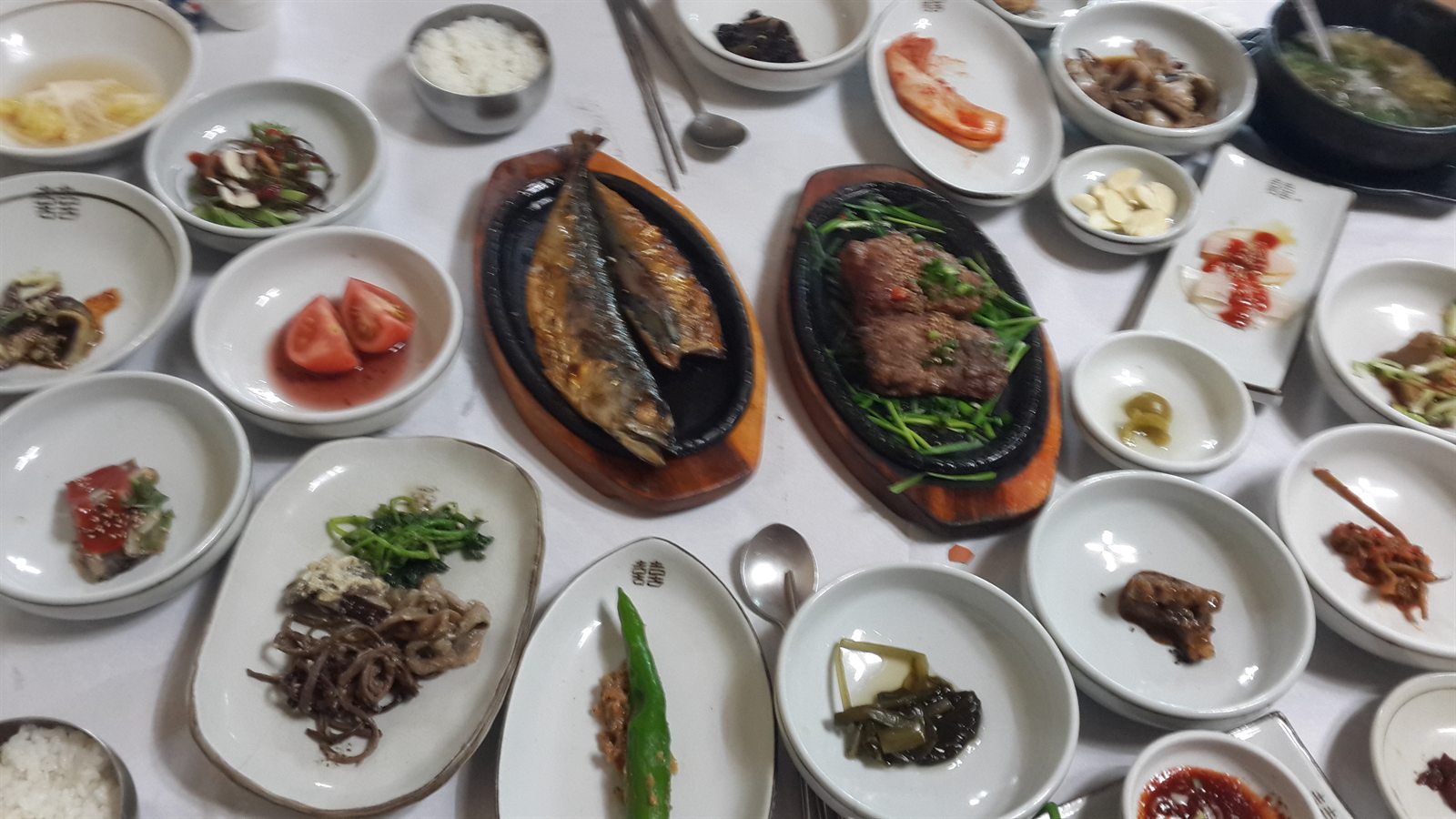
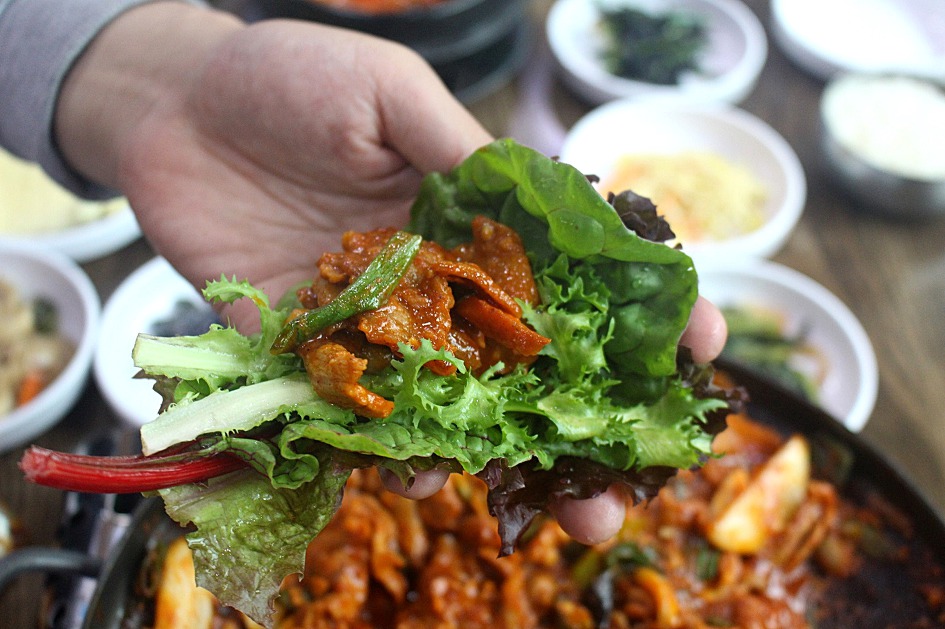
Ssamjang becomes easier when vegetables stay in the picture. Lettuce, perilla leaves, cucumber sticks, peppers, rice, and grilled food explain the dip better than a broad condiment label. The sauce belongs to a wrap table, not only to a product category. That table image makes the jar feel social and useful.
Treat marinade as a weeknight bridge
Soy-garlic and bulgogi-style marinade can make Korean flavor feel familiar for someone cooking chicken, beef, tofu, mushrooms, or vegetables after work. The useful comparison is bottle size, sweetness, garlic, salt, and cooking role, not a claim that one sauce solves every meal.
Let heat level stay readable
Heat needs plain language. A sauce guide can name gentle warmth, spicy-sweet comfort, grill-table depth, or sharper chili character while still leaving room for personal tolerance. Rice, noodles, vegetables, and eggs make the heat easier to place on a real table. That clarity turns spice into an eating cue rather than a dare.
Keep the choice calm
Appetite comes from use case and flavor structure, not urgency. Product pages can sit beside the context after heat level, sweetness, salt, texture, and the meal role are clear.
Know what not to assume
Avoid broad authenticity claims, cure-all language, or import promises. A sauce page can explain pantry role, serving idea, preparation style, and claim boundaries while leaving regulatory and buyer questions to separate trade content.