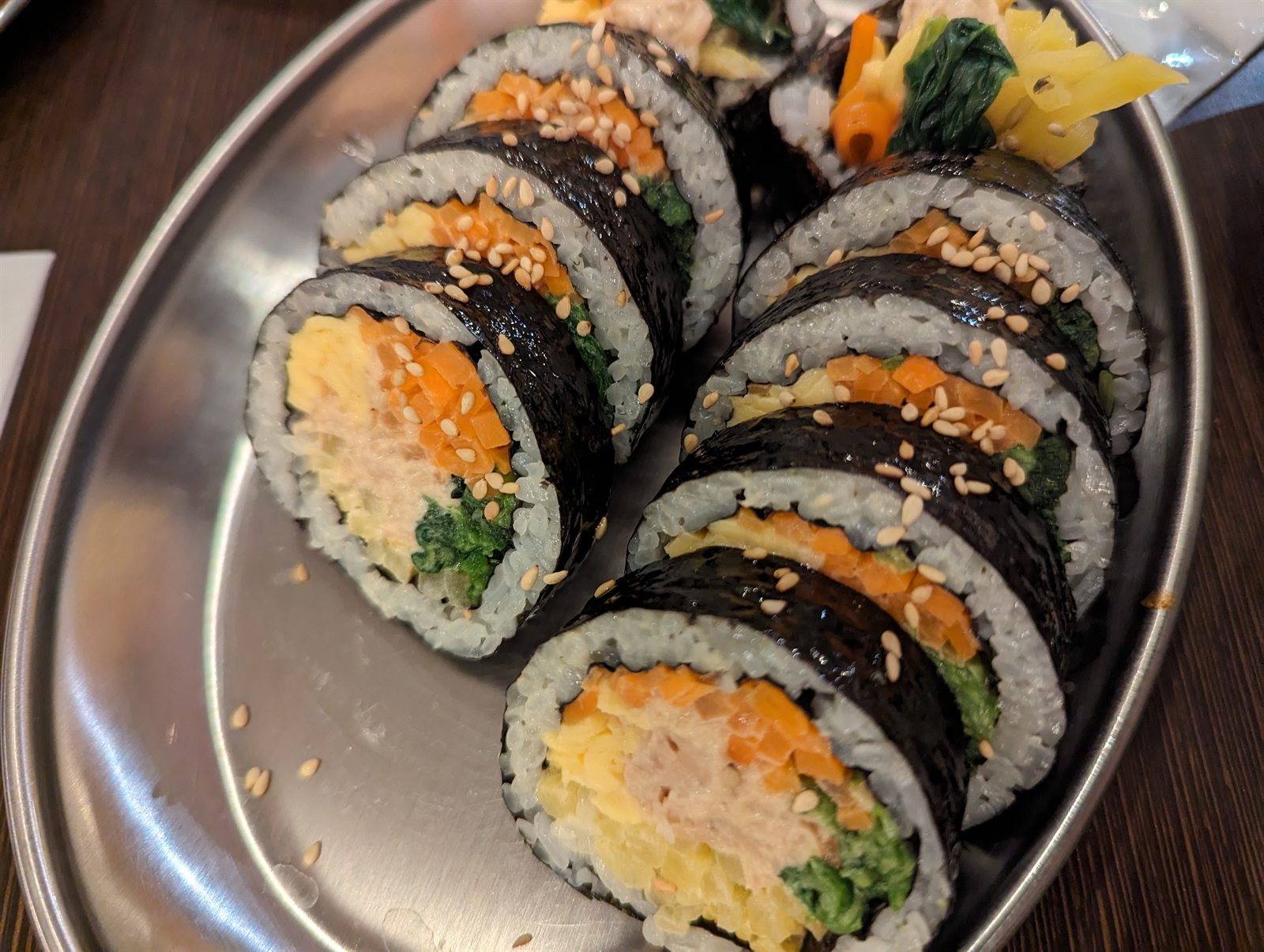
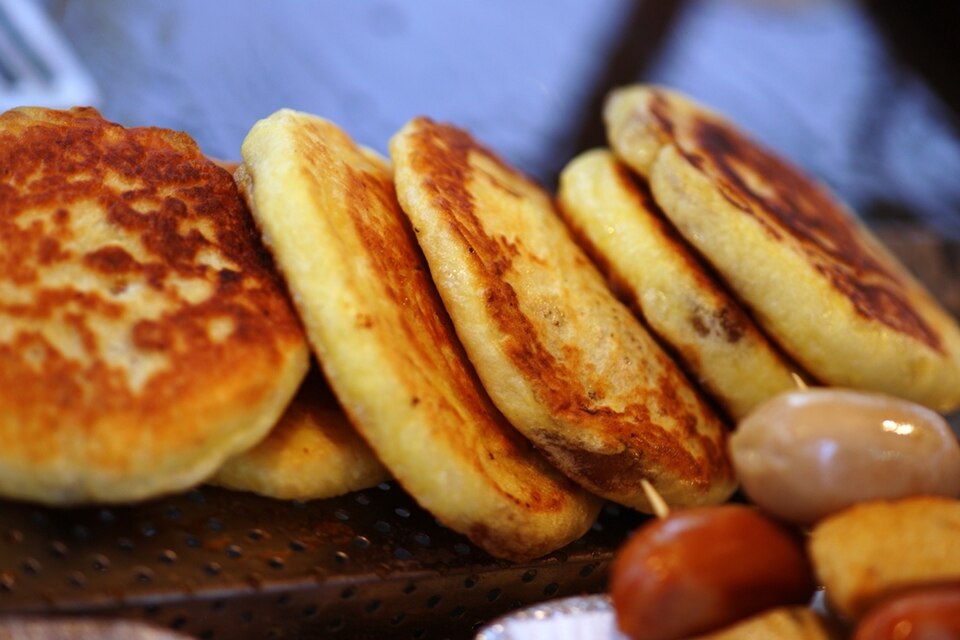
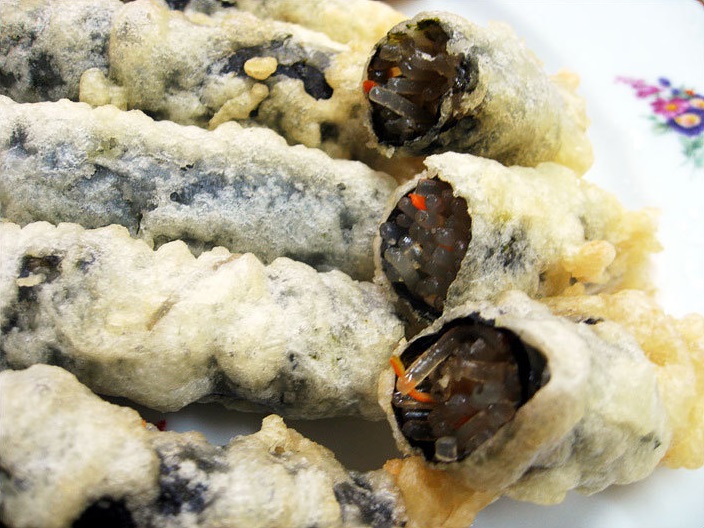
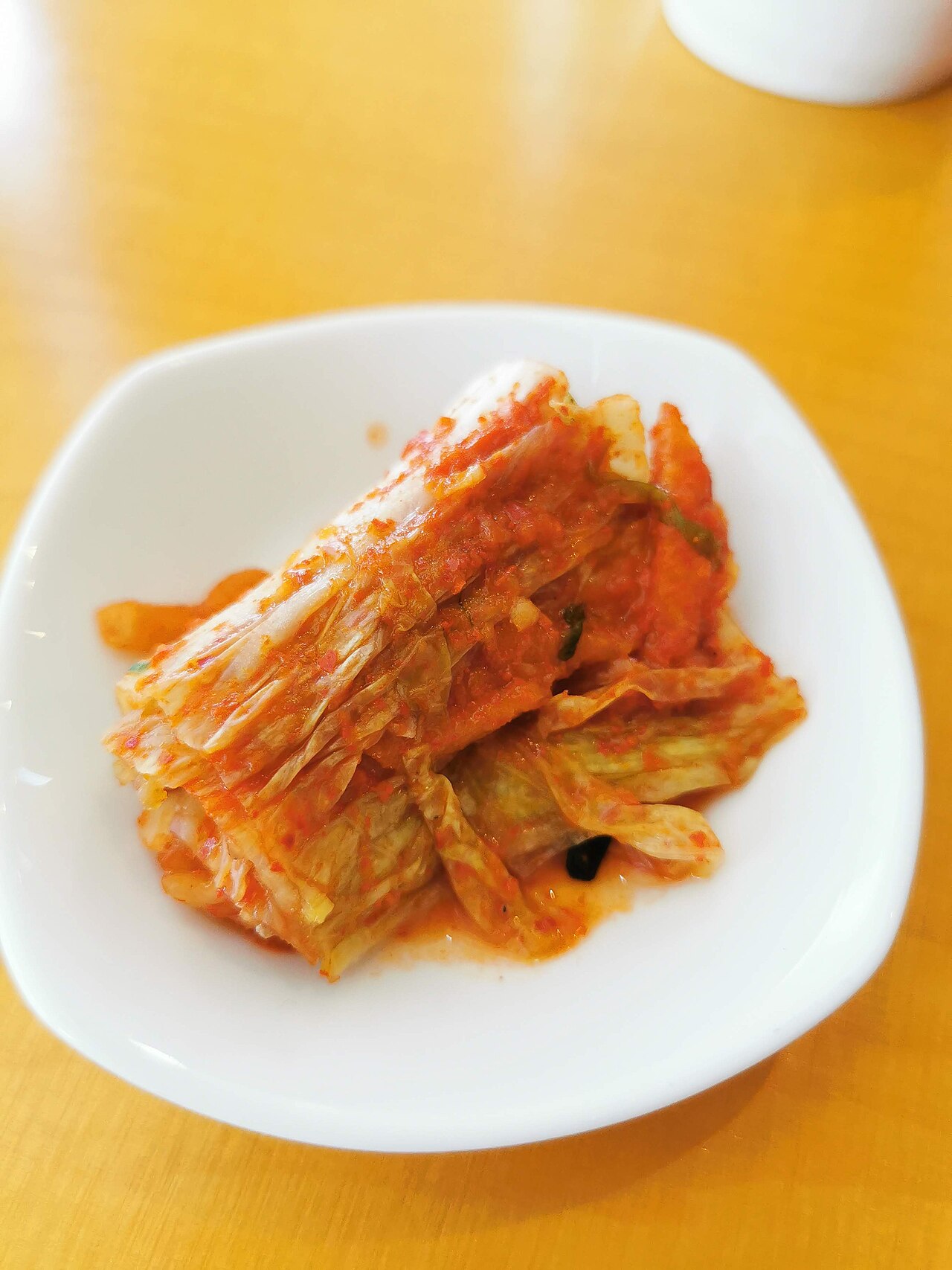
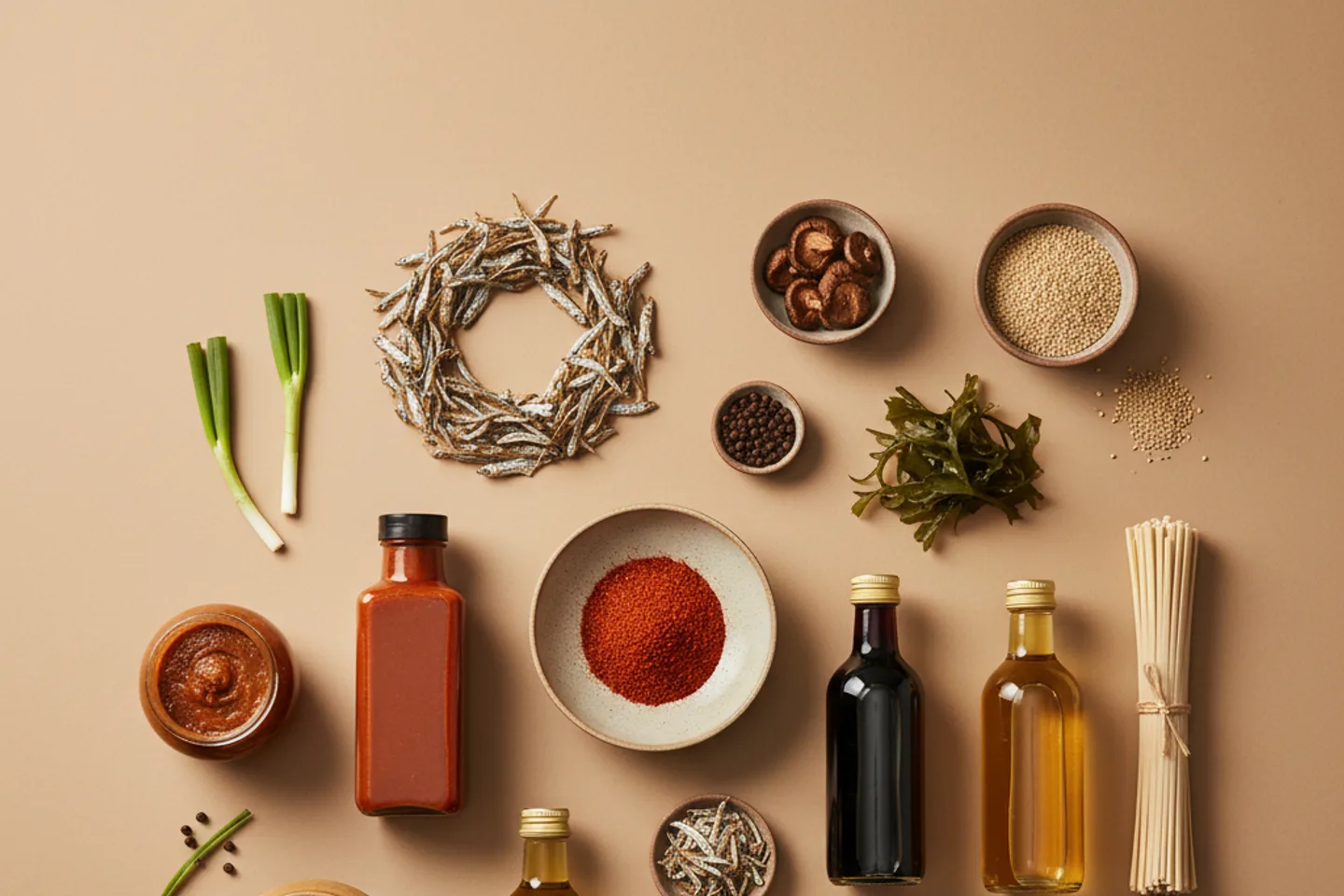
The first KFoodHunter catalog favors products that are stable, legible, and easy to explain.
Start with the craving
The categories that travel best are often the ones that match a simple craving: crisp seaweed, a quick noodle bowl, a sweet drink base, a sauce for rice, or a pantry mix for a weekend snack. That makes the first map easy to imagine at home.
Choose by format
Dry, packaged, pantry-ready products usually create fewer first-surface complications than fresh, frozen, or highly regulated categories. Snacks, sauces, noodles, grain mixes, shelf-stable rice formats, and drink bases are easier to understand quickly.
Let the table moment lead
Travel-friendly does not mean emotionally flat. Seaweed can sit beside rice, sauces can turn leftovers into a meal, noodles can anchor a late-night bowl, and tea or grain drinks can carry a cafe or gift moment without demanding a complex recipe.
Separate shelf-stable from flat
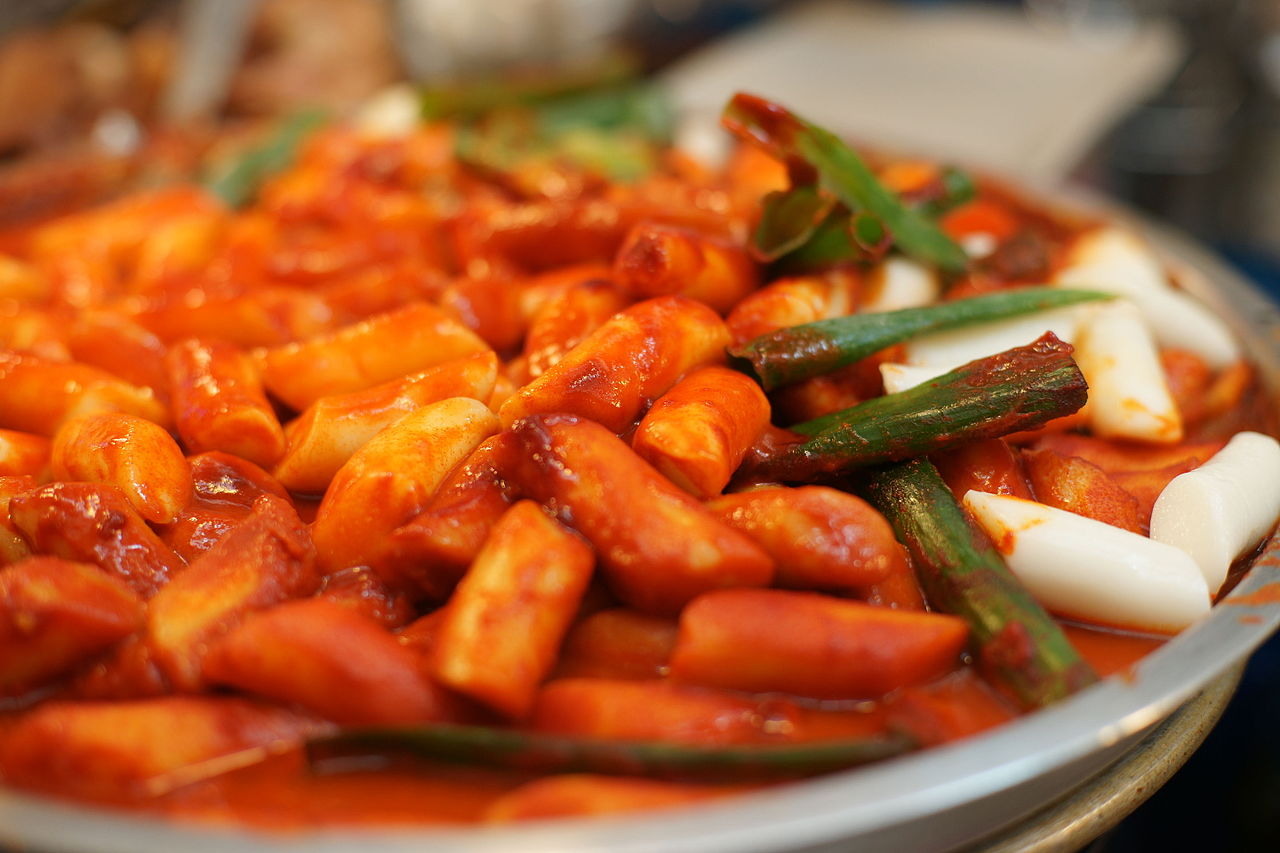
Shelf-stable food can still feel vivid. Seaweed brings coastal crunch, tteokbokki sauce brings street heat, noodles bring comfort, dry mixes bring a weekend pan, and grain drinks bring a softer finish. Stability explains the format; the eating scene gives it life.
Use street food as a doorway
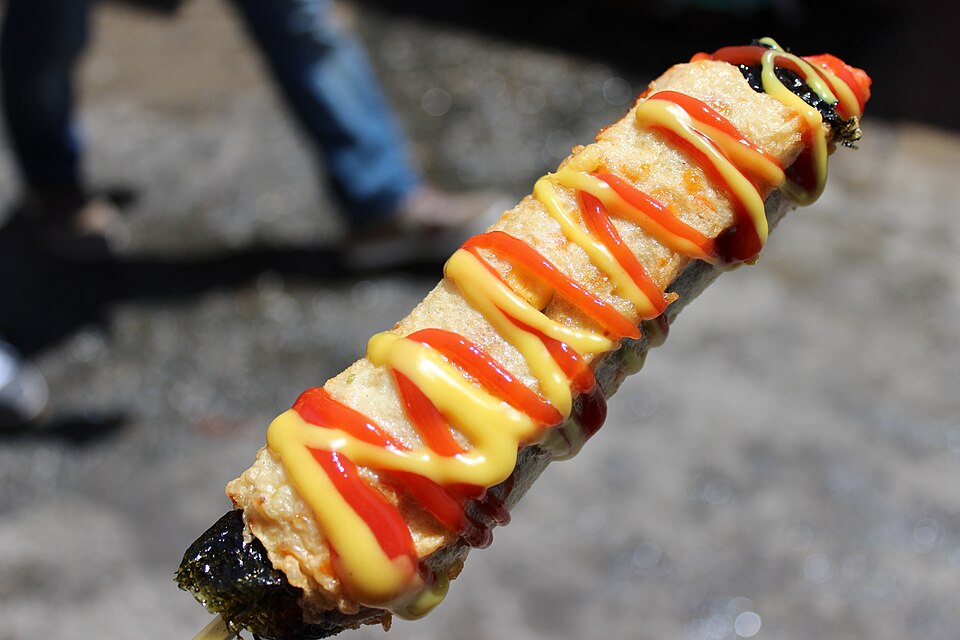
Street-food recognition helps K-food travel because the scene is easy to imagine: sauce, heat, steam, skewers, fried snacks, rice cakes, or a quick bowl. The guide can use that energy without making every category loud or trend-dependent.
Keep regional cues as navigation
Regional language can help people remember a food path. Jeonju can point toward rice bowls and sauces, Busan toward cold or seafood-adjacent meals, Jeju toward citrus drinks, and Boseong toward tea fields. These cues guide browsing without certifying product origin.
Give cold foods a place
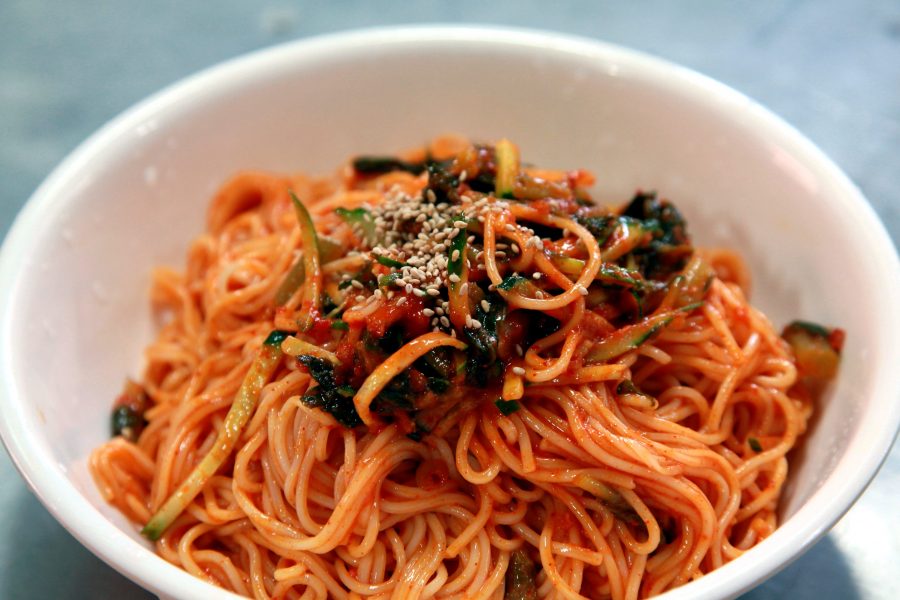
Not every travel-friendly category is hot or spicy. Cold noodles, chilled drinks, rice punch, tea over ice, and lighter snack formats create summer or cafe moments. Naming cold service keeps the category map broader than ramen, sauce, and crunch.
Make sampler logic visible
A sampler can connect categories that would otherwise feel unrelated. One crisp snack, one sauce cue, one noodle, one sweet, and one beverage base can tell a wider K-food story as long as each item has a clear table role and explanation burden.
Keep the choice calm
Category families become legible before attention goes anywhere else. Role, storage, and serving context make exploration feel natural instead of pushed through a hard commercial prompt.
Know what not to assume
A category that works for casual discovery is not automatically ready for import. Buyer inquiry can reuse the same map, but trade work still needs channel, market, volume, product documents, label review, and responsibility notes.