Sauces flavor cues
Start with the sauce job: heat, sweetness, dipping depth, marinade gloss, barbecue comfort, or a quick rice-bowl lift.
- Heat
- Dip
- Marinade
- Rice bowl
 KFoodHunter
Sauces
Sauce content explains what the product does in a meal before brand or listing comparison.
Category fit
Start with the sauce job: heat, sweetness, dipping depth, marinade gloss, barbecue comfort, or a quick rice-bowl lift.
Sauces fit rice bowls, vegetables, grilled meat, fried snacks, noodles, and weeknight cooking when the meal role is visible.
Compare heat level, sweetness, sauce role, container format, allergen notes, and whether the product needs companion ingredients.
Buyer questions become sharper when retail, foodservice, meal-kit, online grocery, or bulk channel needs are separated.
Category guide
Rice bowls, barbecue nights, and vegetable wraps. Meal-prep marinades and weeknight shortcuts. Sauce-aisle education for first Korean condiment choices.
Decide whether the product is a dip, finishing sauce, marinade, cooking base, or multipurpose condiment.. Match heat level and sweetness to the meal occasion before comparing product options.. Check whether the product needs companion ingredients or works as a standalone pantry shortcut..
Is the demand retail, foodservice, meal-kit, private-label, or online grocery?. What bottle, pouch, jar, or bulk format does the channel expect?. Does the label language create heat-level, allergen, fermentation, or claim-review work?.
Sauce content explains what the product does in a meal before brand or listing comparison. The strongest choice has a clear food role, simple preparation, visible pack expectations, and claim-safe wording.
Food finder shortcuts
These shortcuts keep the next click food-led: a flavor base, a Korean context cue, or a serving job.
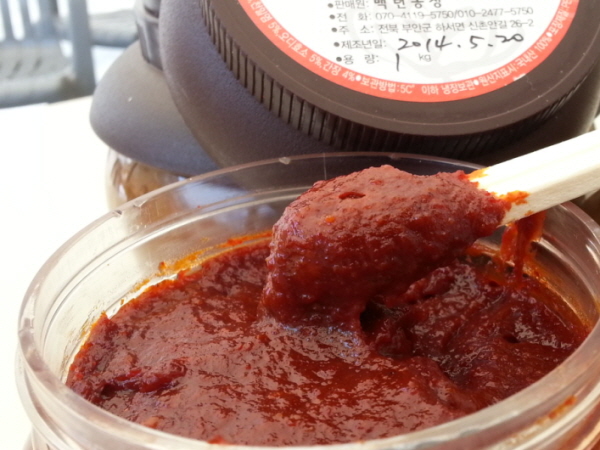
Gochujang, tteokbokki sauce, kimchi-style seasoning, and heat-led choices. Use it as the flavor entry point for sauces browsing.
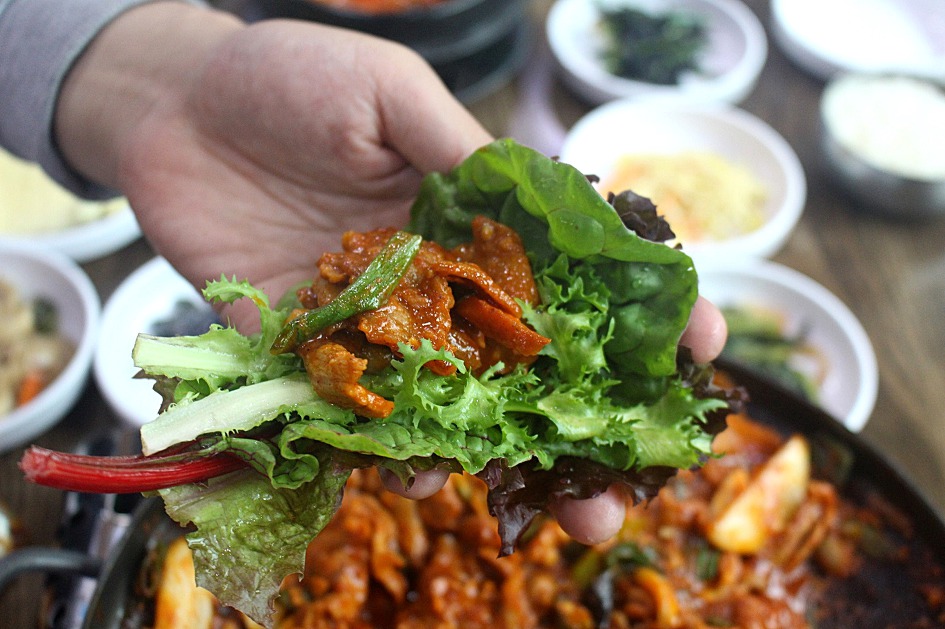
Dips, marinades, wraps, and grill-table meal cues. Regional cues are content navigation, not origin certification.
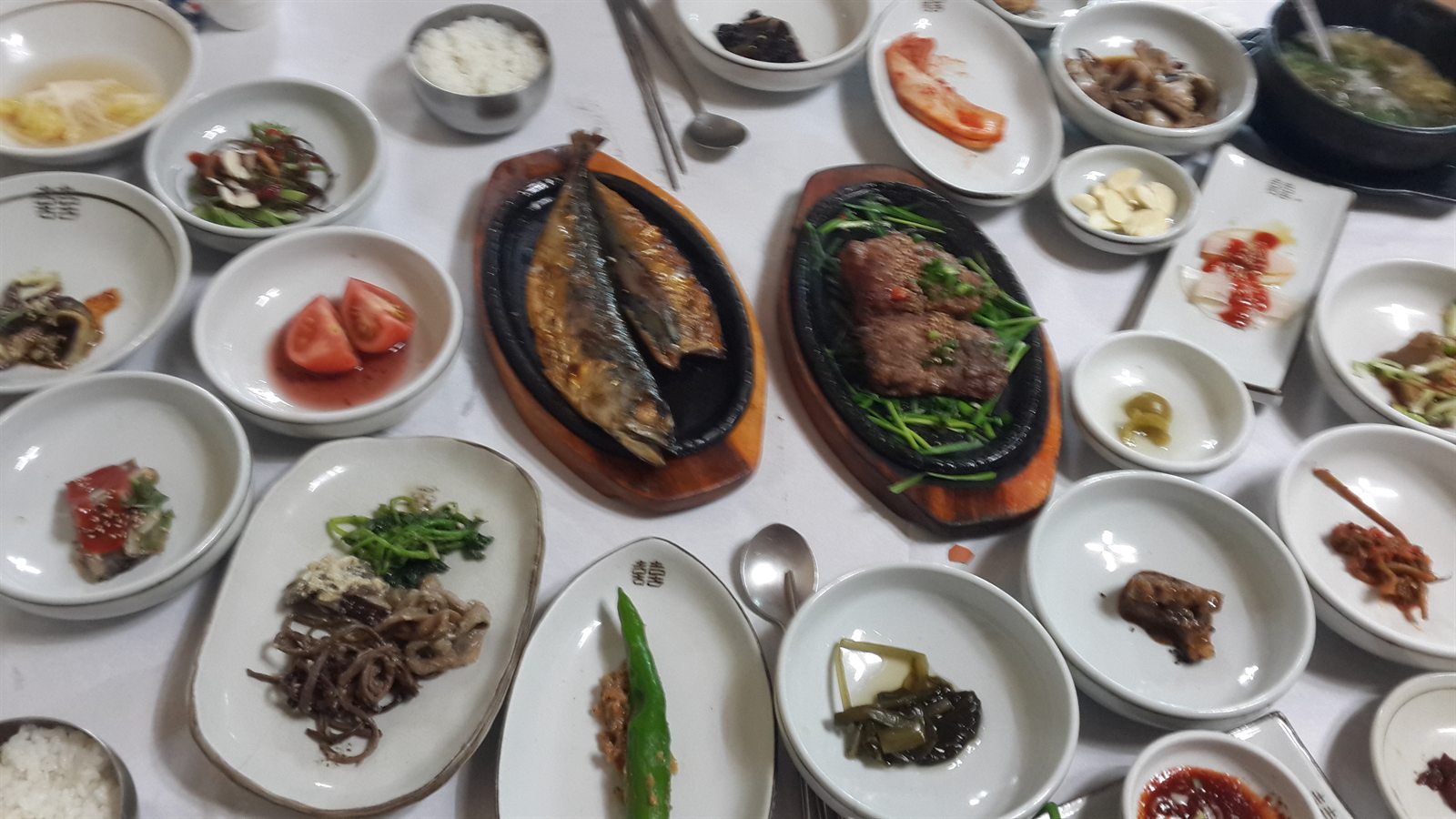
Sauces that turn a meal, rice cake, or noodle into a Korean food moment. This keeps the next click tied to a serving job, not a hard product decision.
Food moments
Barbecue-style K-food becomes easier to understand when the sauce, wrap, vegetable, rice, and shared plate all appear in the same table picture.
This is the dinner-party or weekend-cooking moment where a shopper wants something social, saucy, and recognizable without turning the page into a recipe.
The table context is ssam logic: greens, fermented pastes, rice, grilled food, small dishes, and dipping cues giving each pantry item a clear role.

Historic source context gives modern K-food more texture when it explains table order, stored foods, fermented sauces, rice cakes, tea, and sweets without turning history into a claim.
This is the quiet discovery moment for someone who wants the food to feel less random and more rooted before opening another guide or category.
Old cookbooks and royal-table records can explain food families, preparation logic, and serving order while modern packaged foods stay clearly separate.
A first Korean pantry feels natural when it begins with one small table: rice or noodles, crisp seaweed, a spoon of sauce, sesame or tea, and a food that can repeat next week.
This is the low-friction moment for someone who wants K-food at home without learning a long recipe or building a full pantry at once.
The table logic comes from everyday hansik structure: rice as base, banchan nearby, sauces for direction, and tea or sweets as a quiet finish.
Atlas path
Category browsing becomes easier when one food family also has ingredient, context, and serving-role paths.
Gochujang, tteokbokki sauce, and kimchi-style seasoning make more sense when the page names sauce base, noodle add-on, rice bowl, or finishing use. This keeps the path about flavor and texture before the food narrows into a specific page.
BBQ-table context keeps ssamjang, soy-garlic marinade, wraps, vegetables, and rice in one shared meal scene. Regional cues are browsing cues, not product-origin certification.
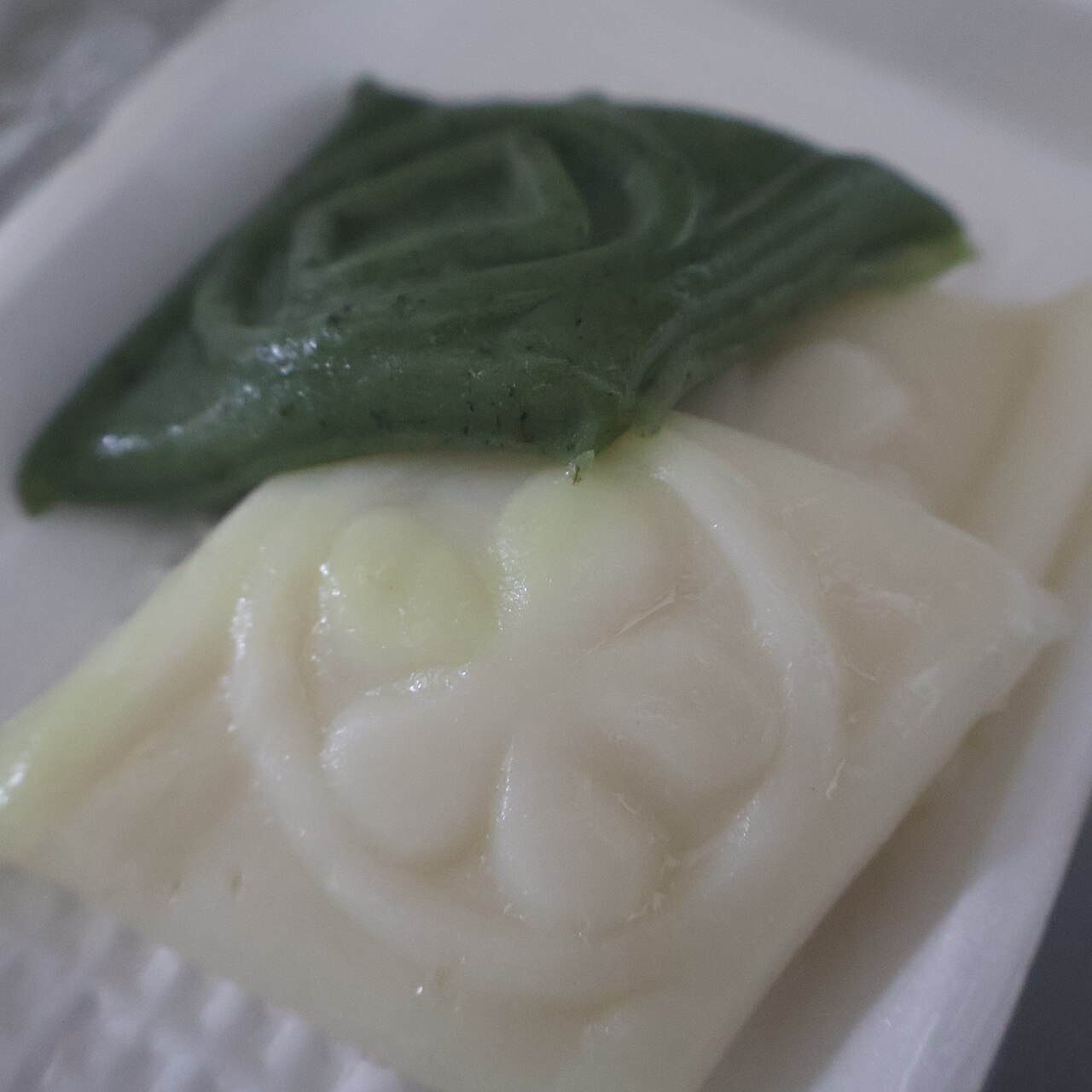
Sauce bases work when the choice names what they do: rice bowl, rice cake, noodle, dip, or vegetable wrap. This keeps the next step grounded in table fit, serving style, and preparation instead of a hard sales prompt.
Category guide
A useful category choice starts with appetite and use. Buyer questions stay clearer when channel, pack, timing, and documents are named separately.
Serving ideas
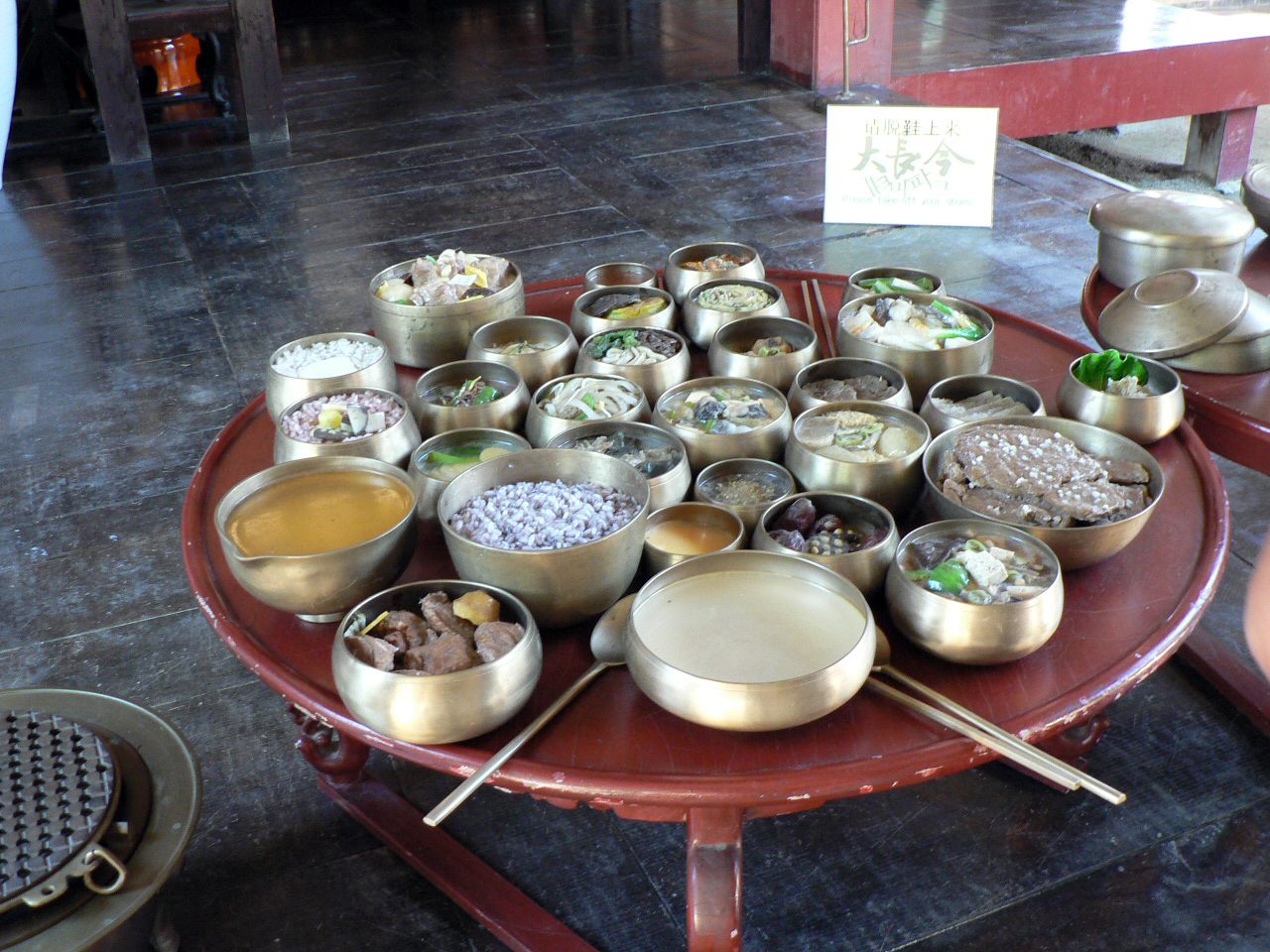
An open-license royal court cuisine table display for heritage-backed pantry, sauce, rice, tea, and sweet guide education.
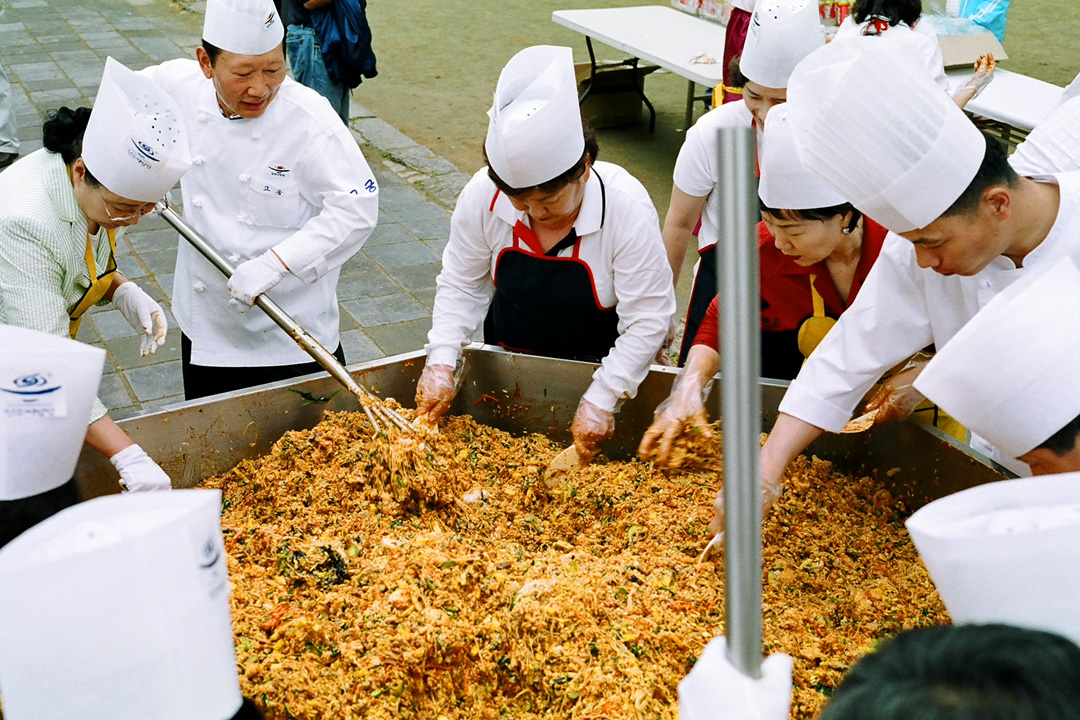
An open-license Jeonju bibimbap festival image that brings regional food culture into category and pantry discovery.
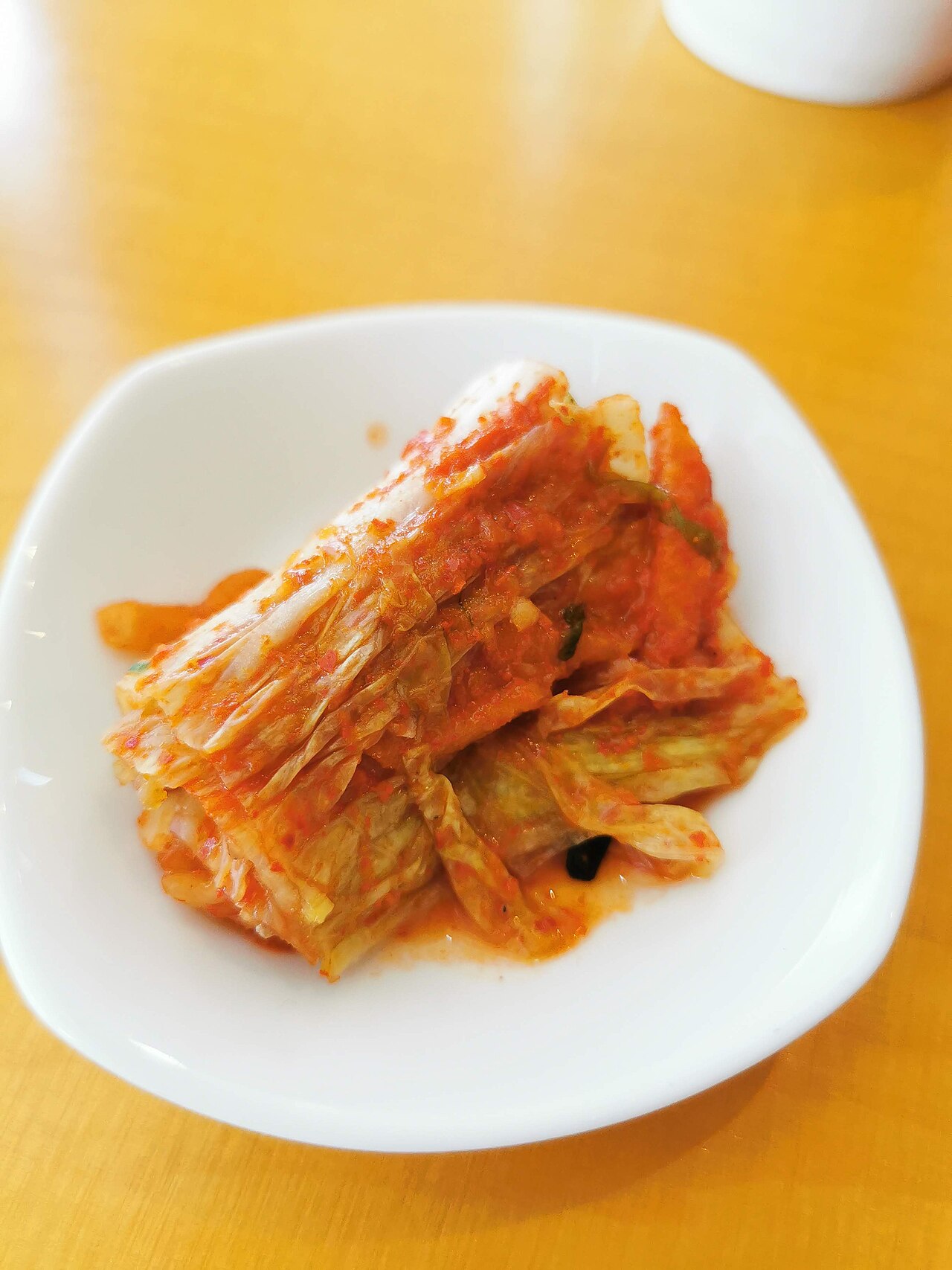
A close kimchi visual for fermented pantry context, banchan decisions, rice-bowl cues, and claim-safe food education.
A food-specific gochujang visual for sauce, dip, marinade, spice, and rice-cake decision paths.
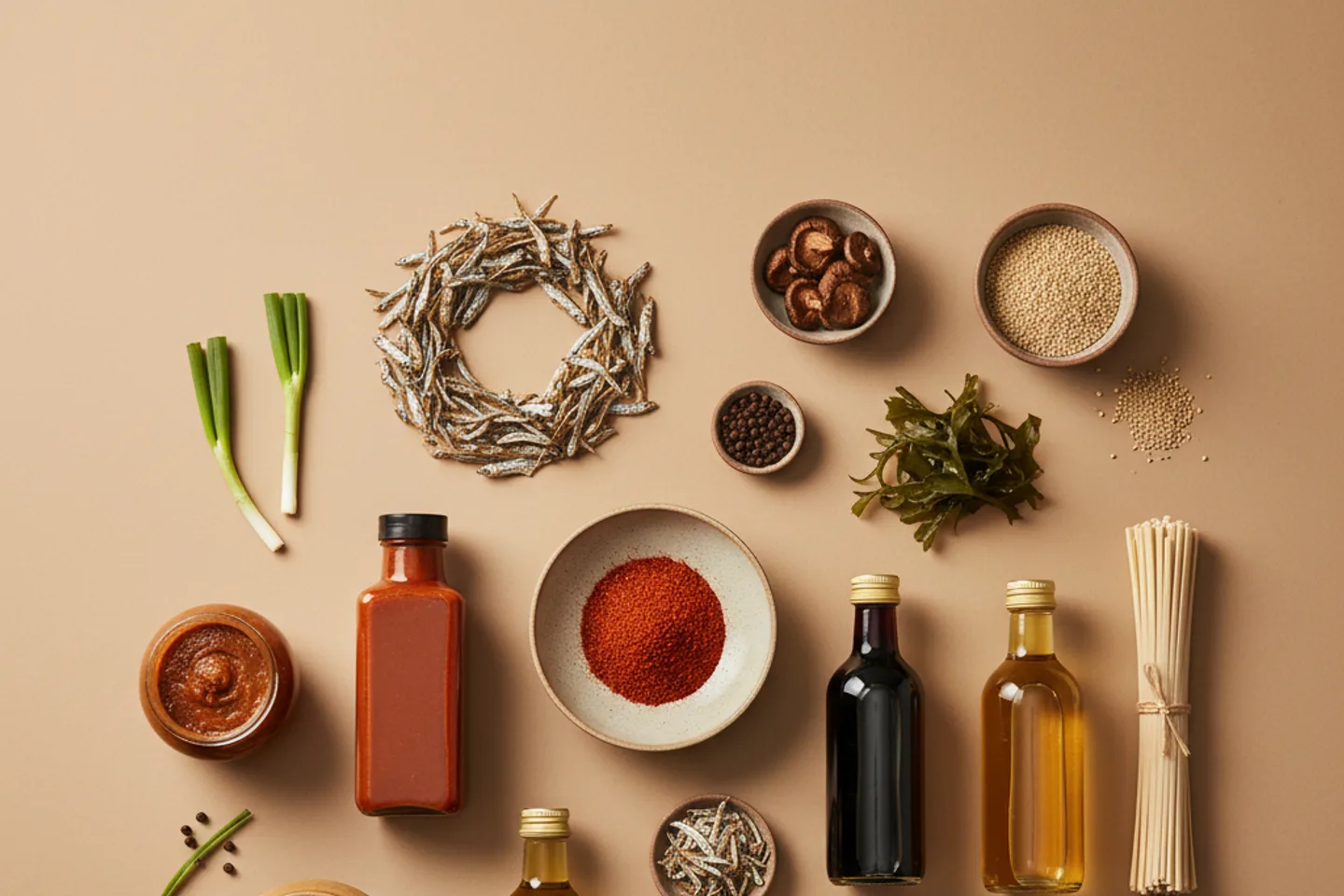
A sauce, noodle, seaweed, spice, and pantry visual for flavor-role decisions before any listing or retailer source matters.
A table-culture visual for banchan, rice, stew, fermented sauce context, tea pairings, and traditional sweet guides.
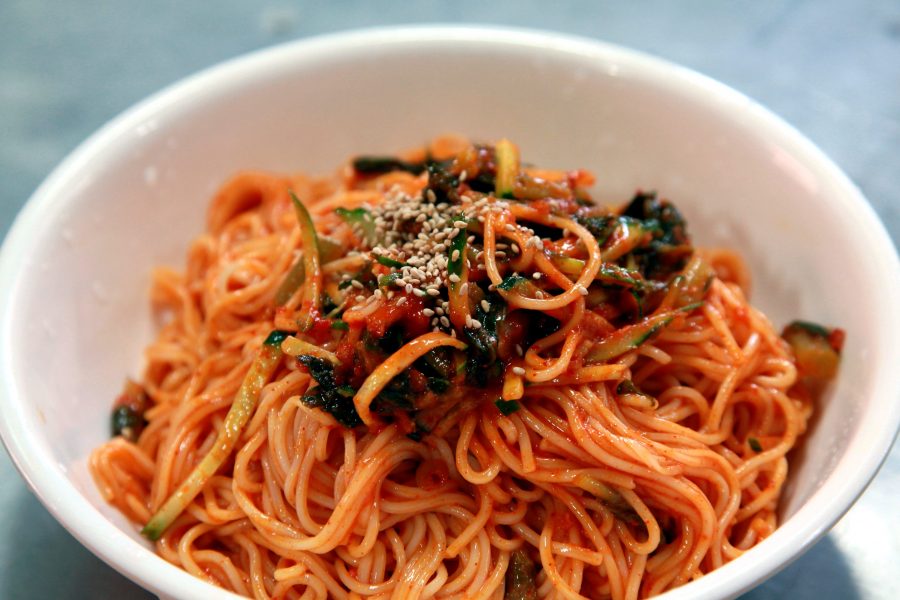
A food-first noodle visual for cold bite, spicy sauce, comfort bowls, portion choice, and low-prep meal paths.
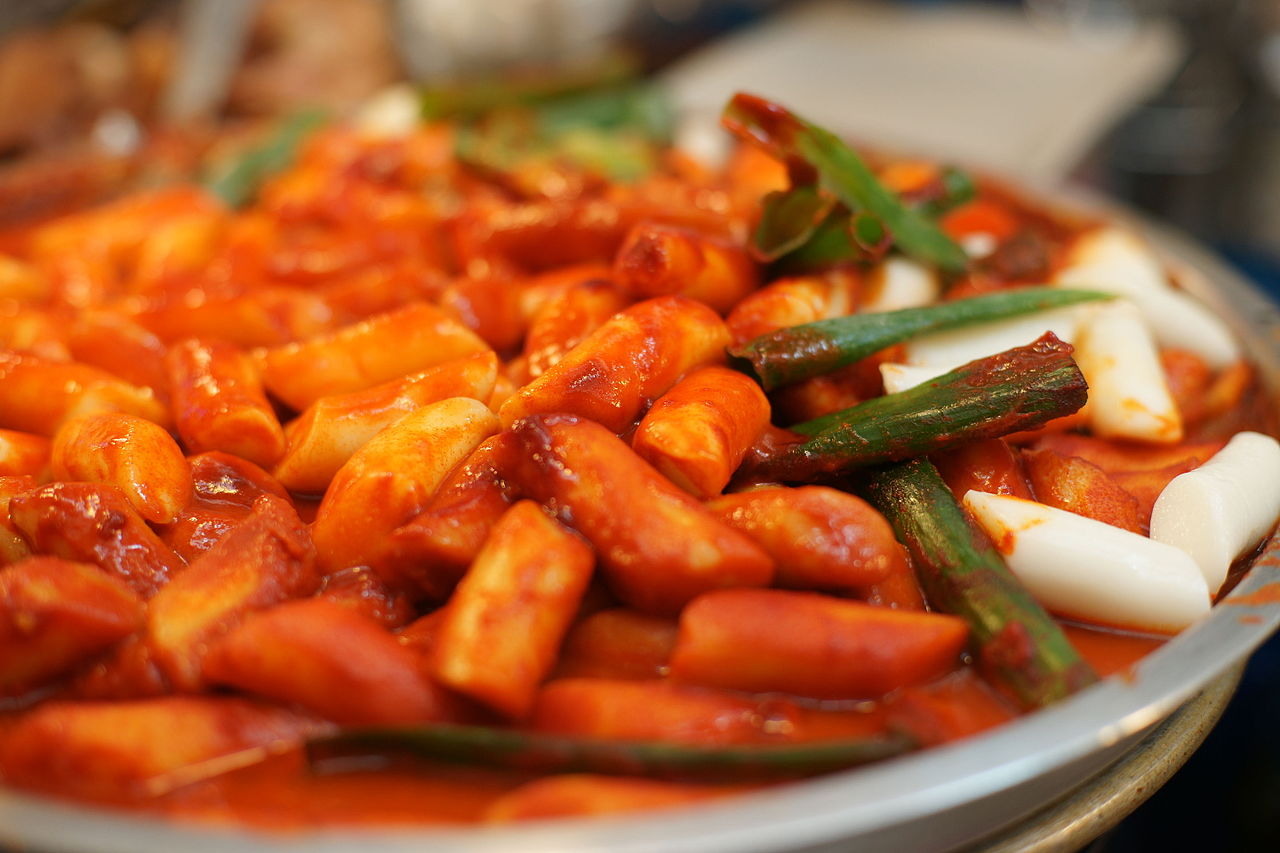
A close street-food visual for spicy-sweet rice cakes, sauce bowls, snack nights, and heat-level questions.
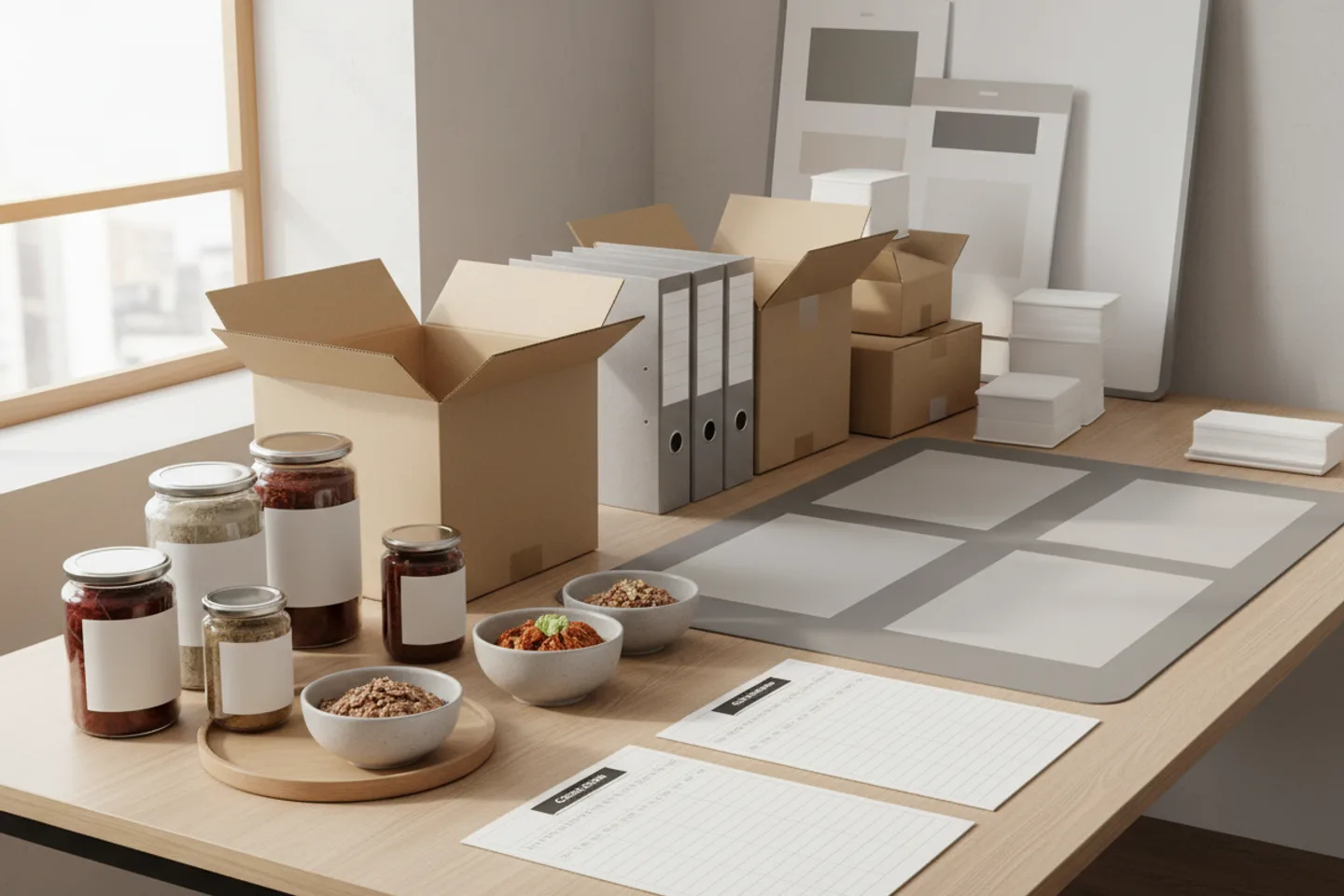
A trade-intent visual for category, market, volume, timeline, and import responsibility questions.

A clean review-desk visual for label, allergen, claim, catalog, and buyer-material preparation content.
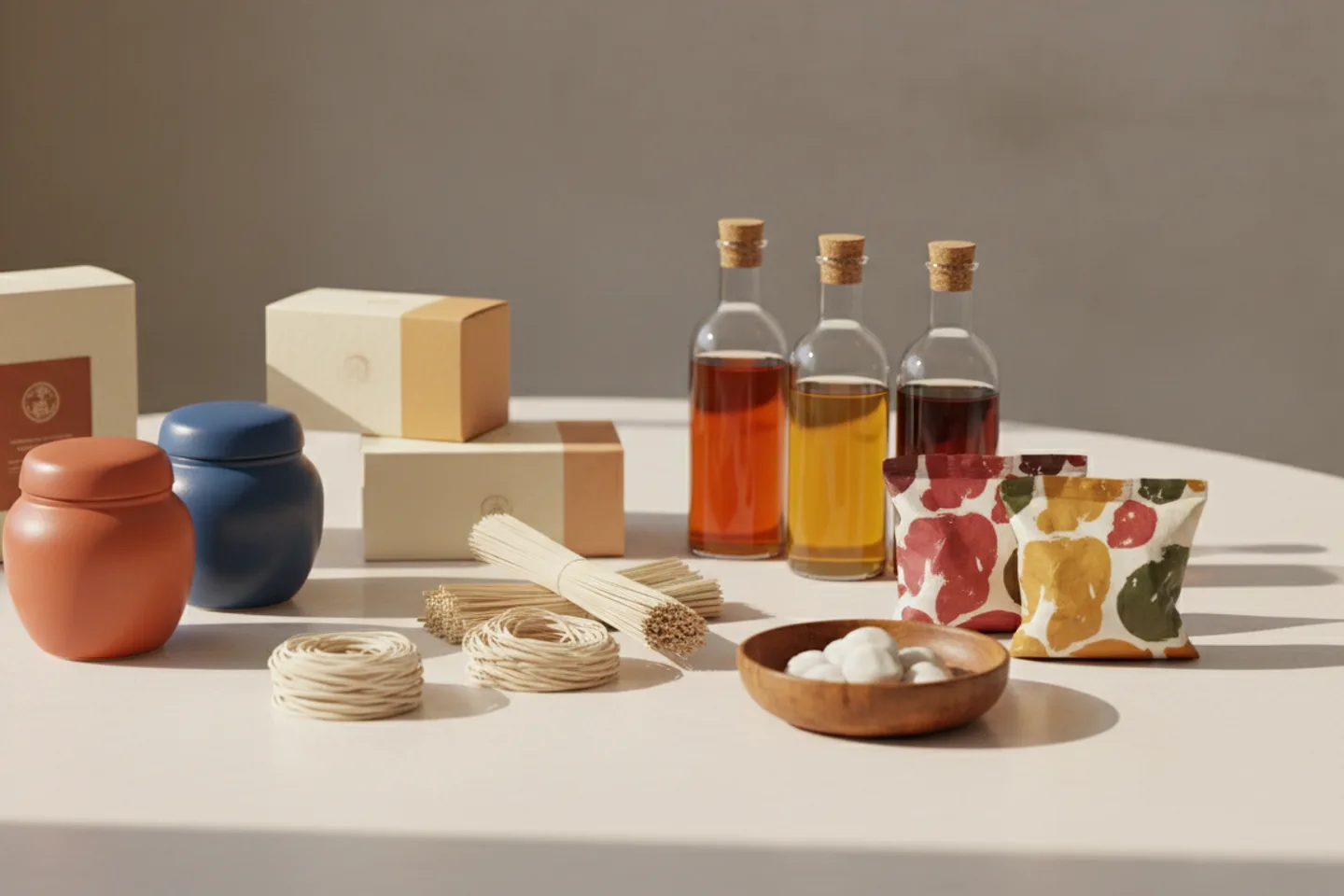
A Korean company preparation visual for catalog structure, product documents, and demand handoff.

A practical worktable visual for Korean manufacturers preparing samples, cartons, and buyer-facing materials.
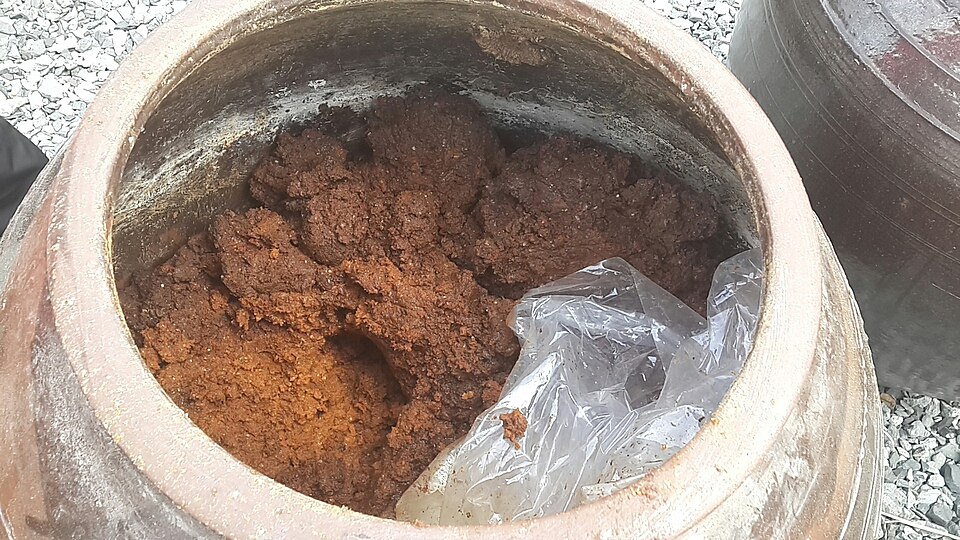
A fermented paste jar visual for sauce, pantry, regional food culture, and heritage-safe context.
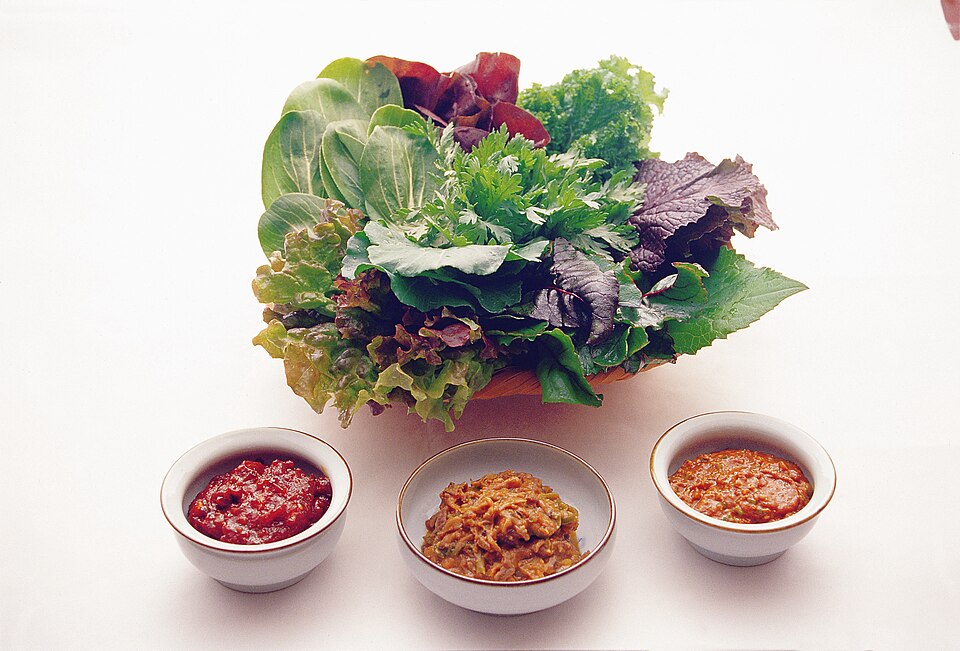
A wrap-table visual for ssamjang, vegetables, barbecue night, and dip decisions.
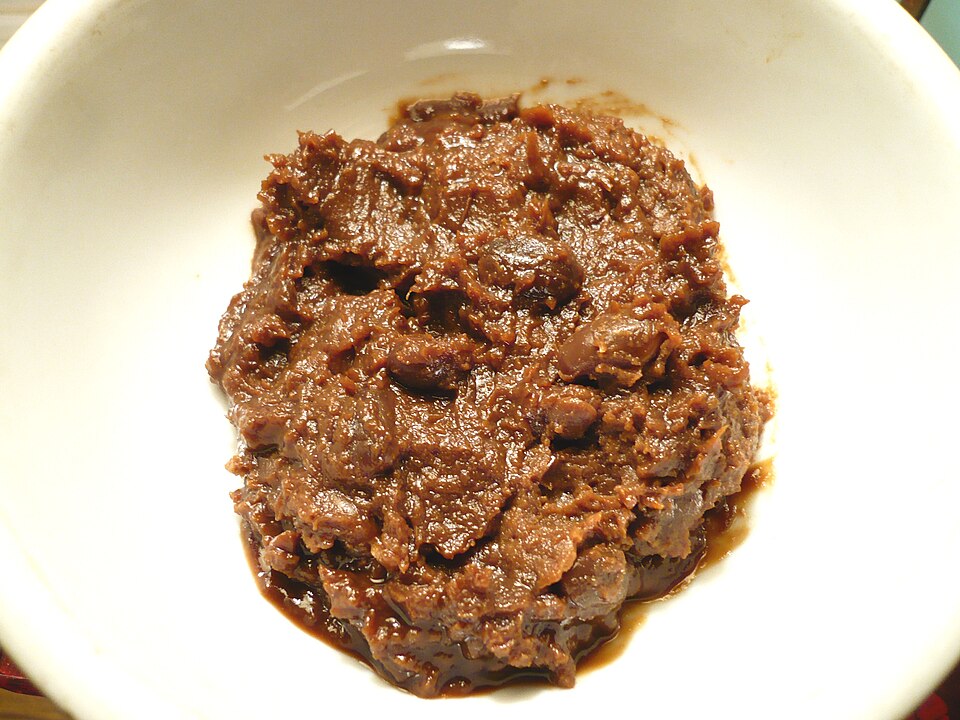
A soybean-paste texture visual for pantry education and sauce comparison.
A meal-use sauce visual for gochujang, barbecue, wraps, and rice-table decisions.
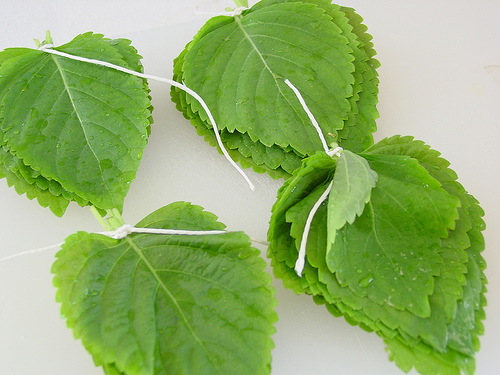
A perilla leaf visual for fresh-herb context, wraps, banchan, and pantry education.
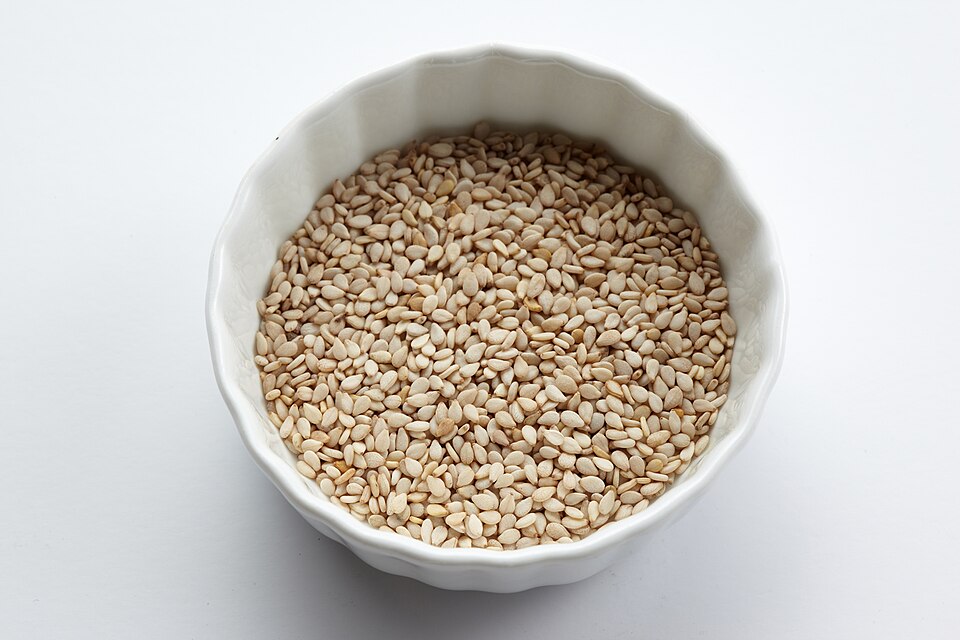
A sesame seed visual for finishing cues, rice bowls, sauces, and pantry basics.
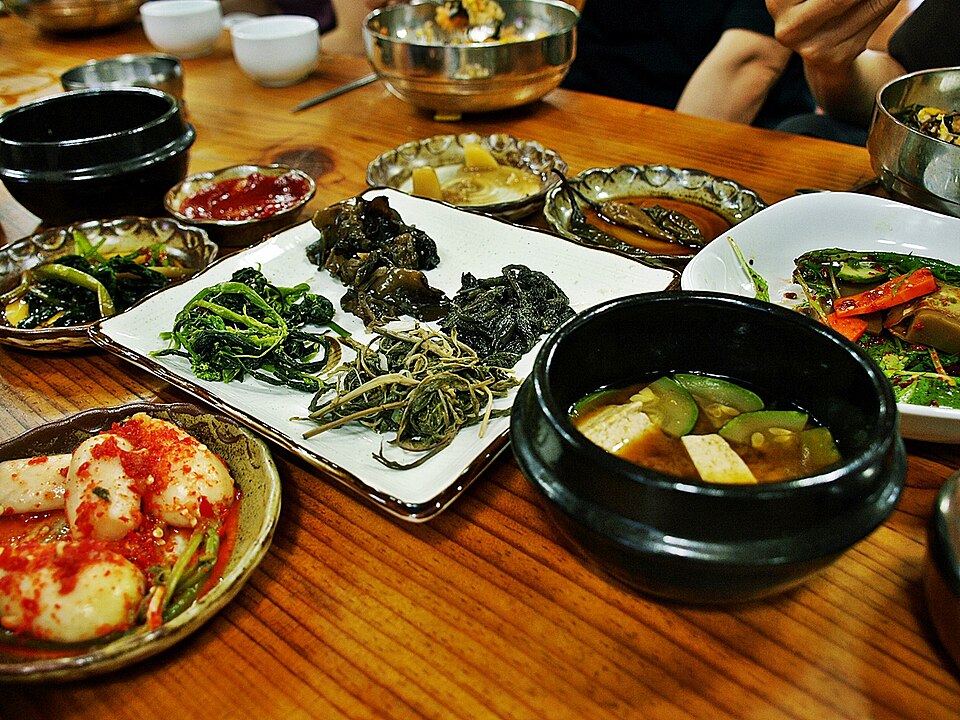
A stew-and-banchan table visual for pantry role, sauce role, and everyday meal structure.
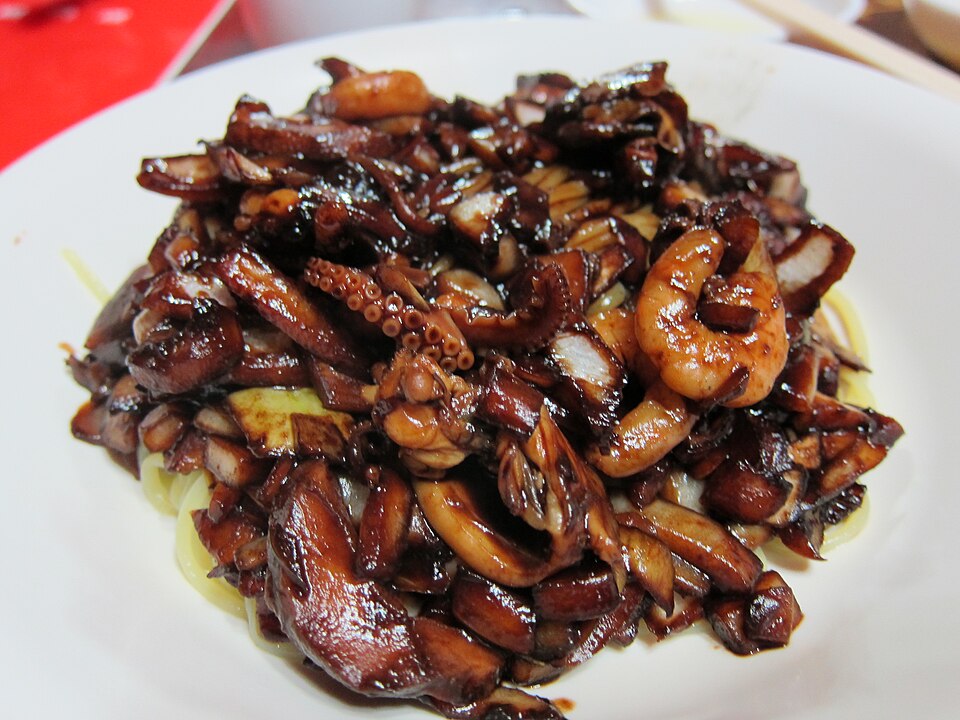
A black-bean noodle visual for comfort noodles, sauce texture, and meal mood comparison.
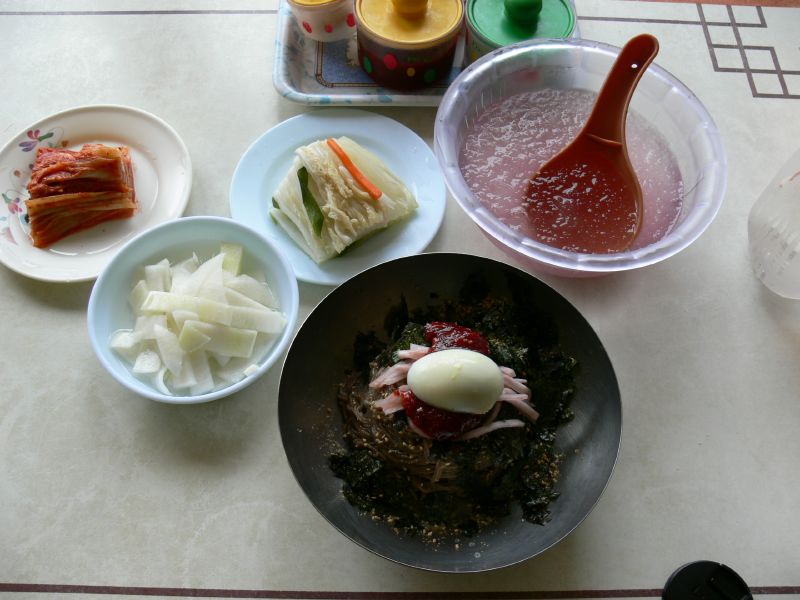
A buckwheat noodle visual for cold-prep, sauce mix, and regional noodle education.
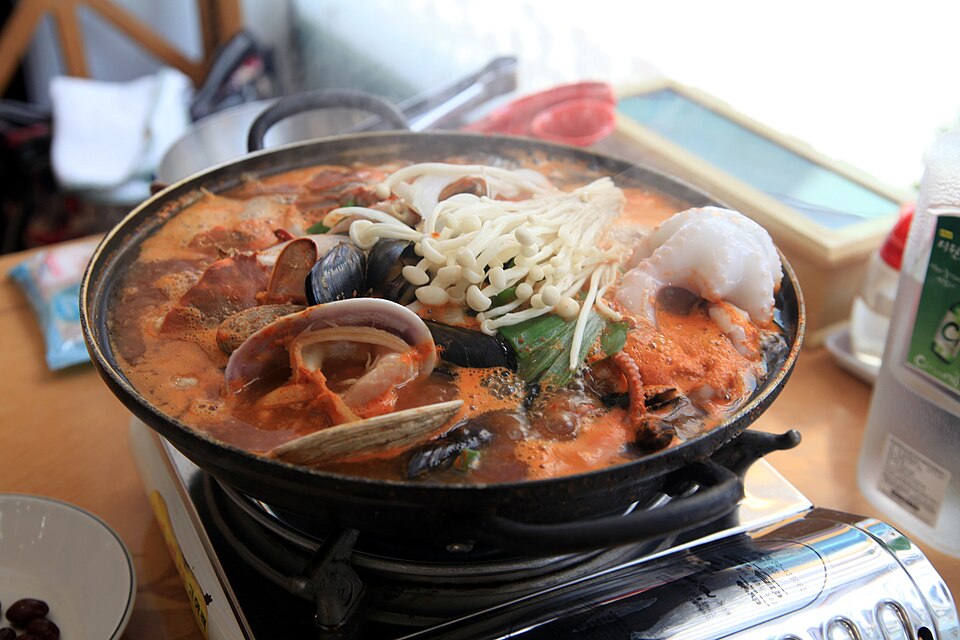
A Busan seafood soup visual for regional meal context and seafood pantry questions.
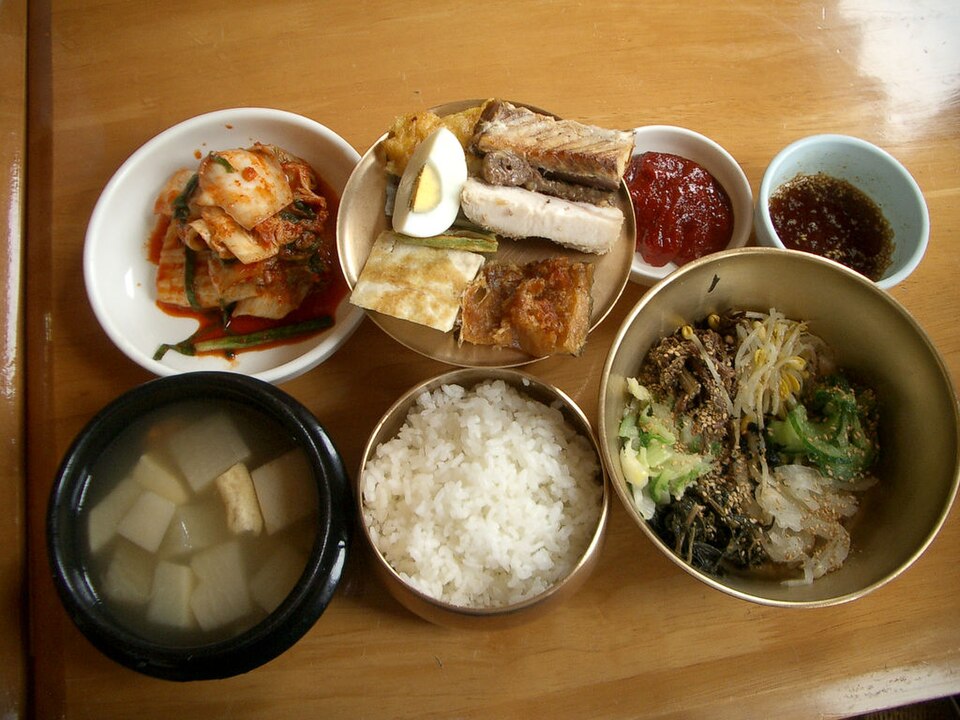
An Andong table visual for regional hansik, rice bowls, banchan, and heritage context.
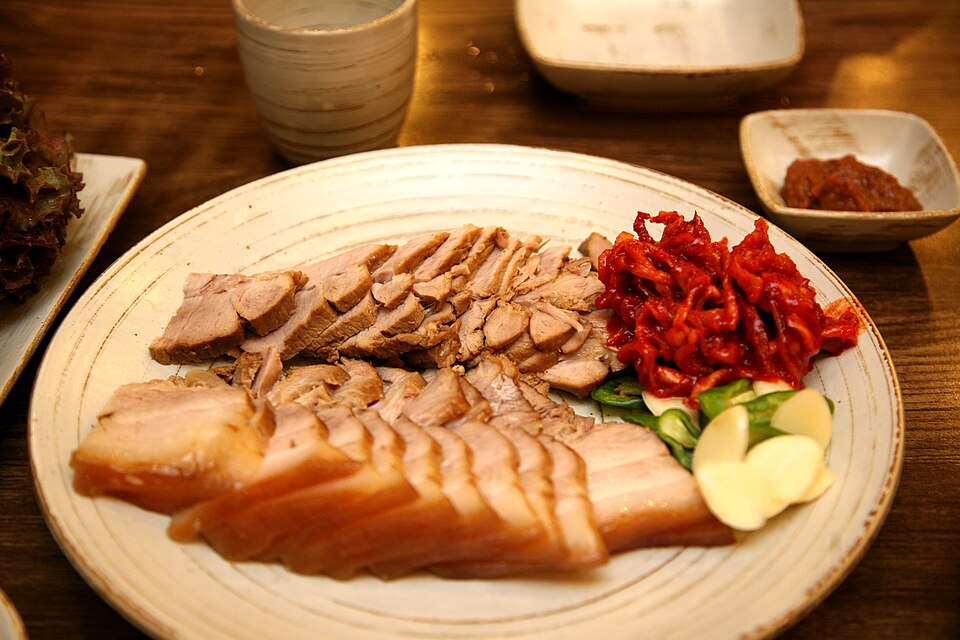
A steamed pork visual for regional table context, dipping sauce, and shared meal education.
Category motion
These clips keep the category grounded in real table moments: cooking heat, shared serving, sauce texture, and the food beside it.
For nights when the craving is shared: grill heat, vegetables, dipping sauce, and rice all belong in the same meal.
Thin slices, sweet-savory sauce, and fast heat make bulgogi easy to picture as a rice-bowl or wrap night.
A short boil shows why kimchi jjigae sits between pantry comfort, banchan, tofu, pork, and rice.
Food guides
A practical sauce lane for a direct flavor upgrade and buyers screening Korean condiment demand.
Best when a plain meal needs one clear flavor move before a brand choice matters.
TasteCondiment: Heat, sweetness, garlic, sesame, or barbecue gloss turns a plain meal into the moment.
TableBelongs next to rice, noodles, grilled food, fried snacks, or a dipping bowl.
Next biteStart with the job: dip, drizzle, marinade, stir-fry, or rice-bowl lift.
A street-food sauce guide for recreating a recognizable Korean flavor at home.
Best when a plain meal needs one clear flavor move before a brand choice matters.
TasteStreet-food context: Heat, sweetness, garlic, sesame, or barbecue gloss turns a plain meal into the moment.
TableBelongs next to rice, noodles, grilled food, fried snacks, or a dipping bowl.
Next biteStart with the job: dip, drizzle, marinade, stir-fry, or rice-bowl lift.
A dipping-sauce guide that helps consumers understand Korean barbecue and vegetable-pairing occasions.
Best when a plain meal needs one clear flavor move before a brand choice matters.
TasteDipping sauce: Heat, sweetness, garlic, sesame, or barbecue gloss turns a plain meal into the moment.
TableBelongs next to rice, noodles, grilled food, fried snacks, or a dipping bowl.
Next biteStart with the job: dip, drizzle, marinade, stir-fry, or rice-bowl lift.
A marinade guide for shoppers who want Korean flavor cues without learning a new cooking system first.
Best when a plain meal needs one clear flavor move before a brand choice matters.
TasteMarinade: Heat, sweetness, garlic, sesame, or barbecue gloss turns a plain meal into the moment.
TableBelongs next to rice, noodles, grilled food, fried snacks, or a dipping bowl.
Next biteStart with the job: dip, drizzle, marinade, stir-fry, or rice-bowl lift.
A high-recognition marinade guide that can connect recipe content, retail displays, and buyer demand signals.
Best when a plain meal needs one clear flavor move before a brand choice matters.
TasteRecognizable dish: Heat, sweetness, garlic, sesame, or barbecue gloss turns a plain meal into the moment.
TableBelongs next to rice, noodles, grilled food, fried snacks, or a dipping bowl.
Next biteStart with the job: dip, drizzle, marinade, stir-fry, or rice-bowl lift.
Guides
A food-first path for trying K-food through shelf-stable categories before moving into larger pantry habits.
consumerA source-backed heritage guide that turns Korean royal cuisine and old cookbook context into practical pantry, sauce, tea, and sweet ideas.
buyerA qualification guide for import interest before regulatory, logistics, or supplier commitments are made.
consumerA category map for shelf-stable products that can support both consumer content and later buyer conversations.
korean-exporterA public explanation of why consumer food discovery and B2B import inquiries are related but not the same lane.
consumerA sauce guide that explains gochujang, tteokbokki sauce, ssamjang, and marinades as distinct meal-use choices.
buyerA buyer-facing intake guide with first-note examples before supplier matching or export consulting begins.
korean-exporterA Korean company guide for preparing buyer-facing product information before outreach or retailer-reference work.
Next action
If the category is useful for a retail shelf, foodservice menu, or Korean company product page, start with the guide that matches the question.