

Sourcing question

Label and allergen questions before K-food import review

The first label discussion identifies risk areas without pretending to complete regulatory review.

Disclosure

This guide is informational and separates consumer product discovery from buyer import consulting.

Mixboard-generated catalog review desk with blank sheets and neutral material samples
Review supportLabel and catalog review board

A clean review-desk visual for label, allergen, claim, catalog, and buyer-material preparation content.

  • Label questions
  • Claim boundaries
  • Catalog structure

Food path

Decide what this guide helps with next.

Food path

Start from the food moment

Label and allergen questions before K-food import review is a calm entry point into Roasted Sesame Oil, Kimchi Seasoning Powder, Corn Silk Tea. Start with the craving, occasion, or pantry gap before comparing any individual product page.

  • Craving first
  • Occasion fit
  • No forced decision
Serving map

Build a small table

The connected Pantry / Tea / Beverage Mix / Sweets guides work best as parts of a meal or gift setting, not isolated product tiles. Each food sits beside rice, tea, noodles, sauces, snacks, or sweets when relevant.

  • Table role
  • Pairing context
  • Readable format
Inquiry note

Know when inquiry starts

A useful inquiry names market, channel, volume, timing, product details, and category before any trade conversation is implied.

  • Inquiry boundary
  • Product details
  • Channel clarity
Choice confidence

Know what stays separate

Food interest can guide the next question, but retailer choice, buyer inquiry, and product responsibility stay separate until the exact need is clear.

  • Food context first
  • Retailer separate
  • Clear limits

Food moments

Keep the guide close to an eating scene.

3 connected scenes
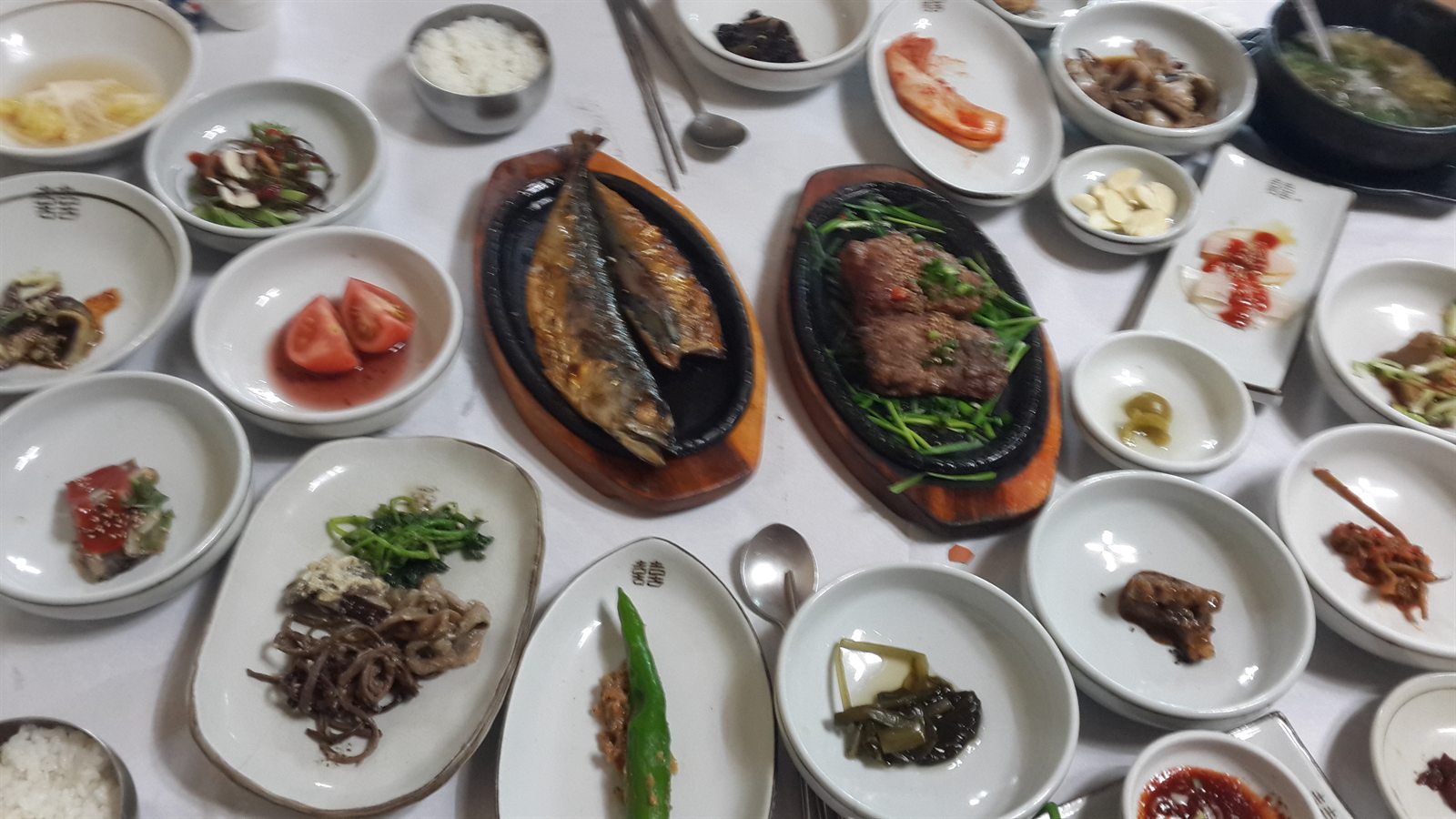
Traditional Korean table with rice, stew, banchan, and shared dishes
First pantry bowl

Rice, seaweed, sauce, and one warm cup

A first Korean pantry feels natural when it begins with one small table: rice or noodles, crisp seaweed, a spoon of sauce, sesame or tea, and a food that can repeat next week.

This is the low-friction moment for someone who wants K-food at home without learning a long recipe or building a full pantry at once.

The table logic comes from everyday hansik structure: rice as base, banchan nearby, sauces for direction, and tea or sweets as a quiet finish.

  • Rice base
  • Sauce bowl
  • Tea pause
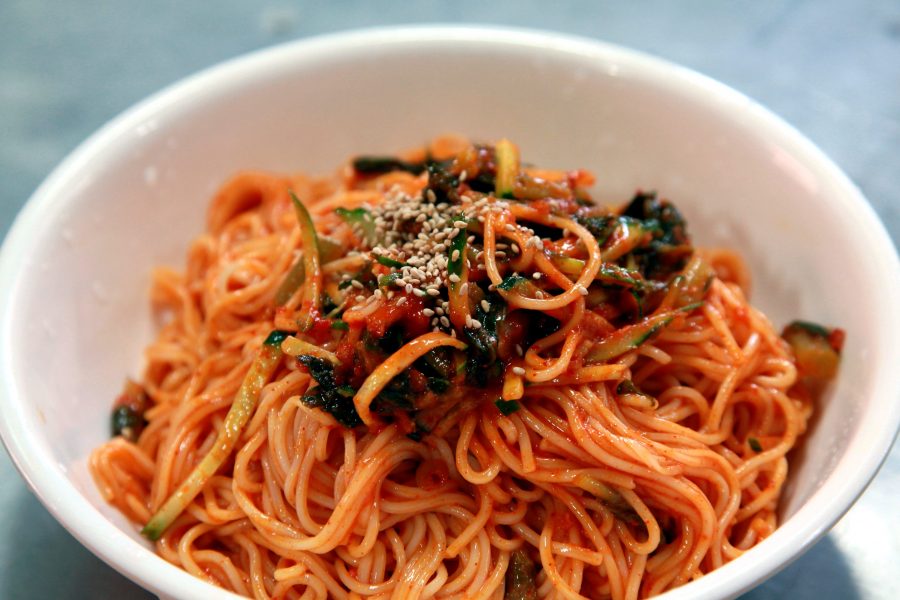
Korean spicy noodle bowl with sesame, vegetables, and red sauce
Noodle night

Fast bowls with different meal moods

A noodle night can be spicy broth, black-bean comfort, cold summer bite, or quick rice-bowl fallback. The useful path is meal mood, not one generic ramen idea.

This is the high-recognition K-food moment: simple enough for a weeknight, but still shaped by heat level, toppings, portion count, and preparation style.

Korean noodle context also touches stored sauces, wheat and starch textures, cold serving habits, broths, rice sides, and seasonal table rhythms.

  • Heat level
  • Comfort bowl
  • Preparation
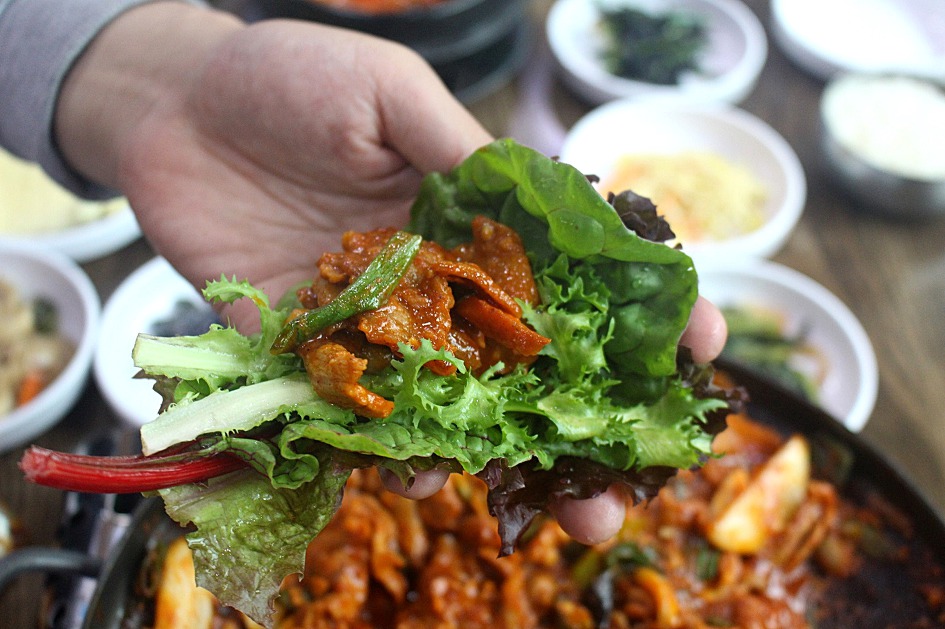
Korean barbecue lettuce wrap with gochujang-style sauce
Shared table

Grill, wraps, dips, and vegetables together

Barbecue-style K-food becomes easier to understand when the sauce, wrap, vegetable, rice, and shared plate all appear in the same table picture.

This is the dinner-party or weekend-cooking moment where a shopper wants something social, saucy, and recognizable without turning the page into a recipe.

The table context is ssam logic: greens, fermented pastes, rice, grilled food, small dishes, and dipping cues giving each pantry item a clear role.

  • Wrap table
  • Dipping
  • Shared meal

Atlas path

Follow ingredient, place-story, and table-role cues.

These paths keep the guide close to flavor, context, and serving use before any specific food page.

Open K-food Atlas

Texture check

Watch the heat, sauce, and table role.

3 short clips

Motion makes the choice easier to imagine: pan heat, shared grill, stew bubbles, and the food that belongs beside rice.

Korean barbecue

Korean barbecue table sizzle

For nights when the craving is shared: grill heat, vegetables, dipping sauce, and rice all belong in the same meal.

  • Shared grill
  • Wraps and rice
  • Sauce bowl
Commons source · CC BY-SA 4.0
Bulgogi

Bulgogi in the pan

Thin slices, sweet-savory sauce, and fast heat make bulgogi easy to picture as a rice-bowl or wrap night.

  • Pan heat
  • Sweet-savory sauce
  • Rice-bowl cue
Commons source · CC BY-SA 4.0
Kimchi jjigae

Kimchi stew at the table

A short boil shows why kimchi jjigae sits between pantry comfort, banchan, tofu, pork, and rice.

  • Stew heat
  • Tofu and kimchi
  • Rice-table comfort
Commons source · CC BY-SA 4.0

More ways to picture it

The food makes more sense in context.

3 visual cues
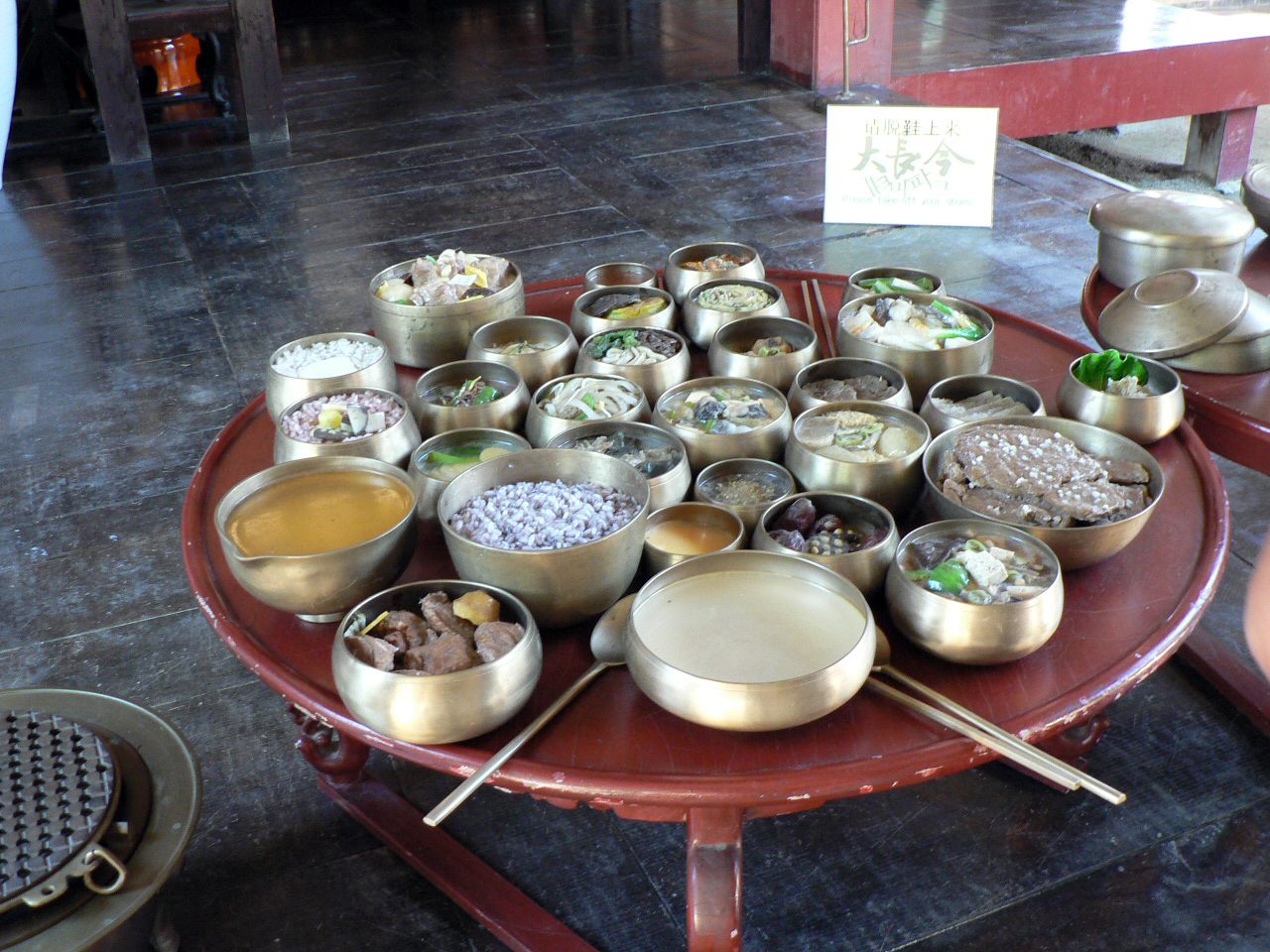
Korean royal court cuisine table display with brass bowls and ceremonial serving context
Royal cuisine

Royal table source board

An open-license royal court cuisine table display for heritage-backed pantry, sauce, rice, tea, and sweet guide education.

  • Royal table context
  • Rice and sauce guides
  • Heritage without product proof
Eumsik Dimibang Korean cookbook cover from a public-domain image
Historic source

Eumsik Dimibang source board

A public-domain cookbook cover image that supports source-backed pantry, rice-cake, noodle, fermentation, and historic food context.

  • 17th-century source
  • Pantry history
  • No full recipe copying
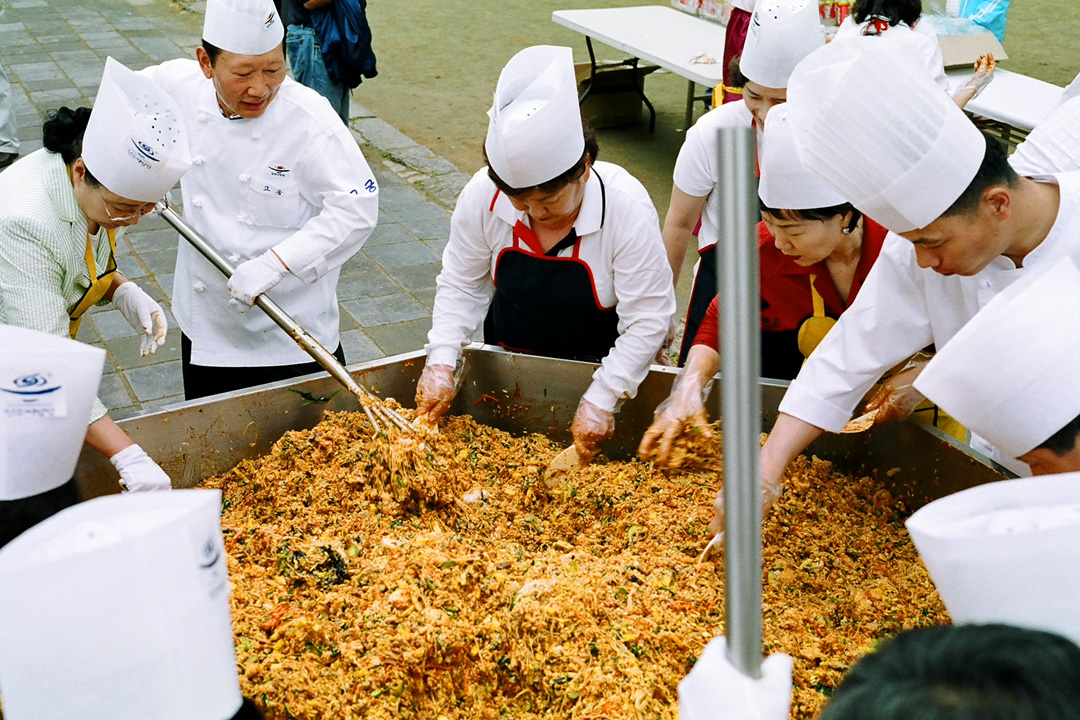
Cooks mixing a large batch of Jeonju bibimbap at a Korean food festival
Regional food

Jeonju bibimbap region board

An open-license Jeonju bibimbap festival image that brings regional food culture into category and pantry discovery.

  • Jeonju context
  • Rice bowl culture
  • Regional food cue

Ask what is actually on the pack

The first label inquiry lists what is already on the product: ingredient list, allergen statement, nutrition panel, claim language, storage instruction, net quantity, manufacturer information, and language coverage.

Separate allergens from flavor

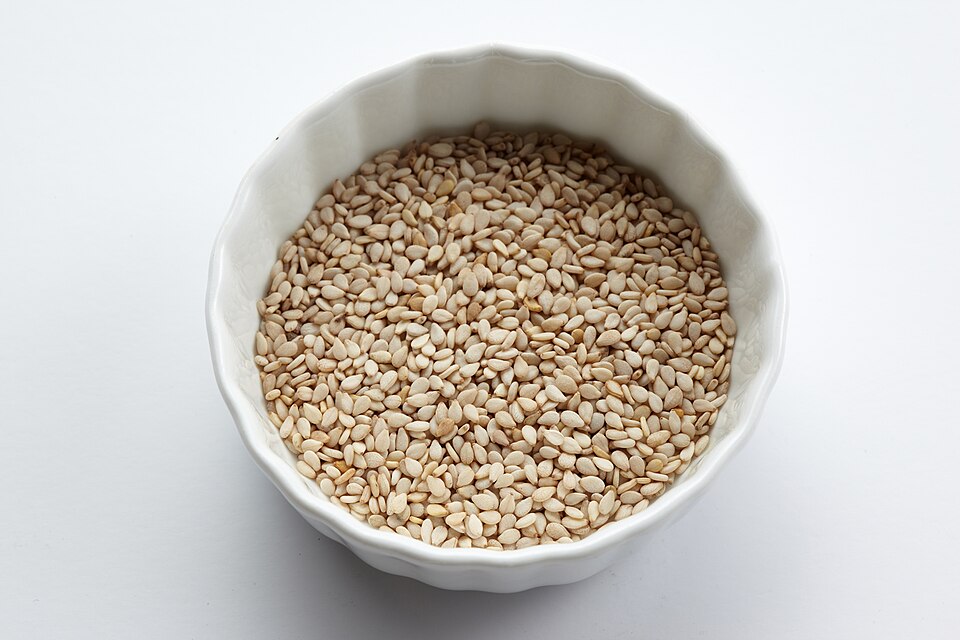
A product can look simple in a consumer guide while still needing careful allergen review. Sesame, soy, wheat, milk, peanuts, tree nuts, seafood, sulfites, and cross-contact statements belong in document questions, not casual flavor notes.

Treat claims as a review trigger

Wellness, body-function, natural, clean-label, low-sugar, traditional, fermentation, and treatment-adjacent language can change the review path. Marketing copy and label files need to be separated before import feedback.
Food angle

Pause in the middle and choose the next food angle.

Connect documents to channel

Retail, marketplace, foodservice, and distributor channels may ask for different levels of pack imagery, spec sheets, certifications, safety documents, and label material. The inquiry names the channel before deeper review begins.

Keep checklist and advice separate

KFoodHunter can structure label and allergen questions, but legal, customs, regulatory, and market-entry determinations require qualified review. The page helps organize the next conversation without pretending to complete it.

Guide value

Why this guide is useful

Food need

What this clarifies

Give buyers a conservative checklist for ingredients, allergens, storage, and claims before deeper review.

Category bridge

Food categories connected here

Connect pantry, tea, beverage mix, and sweet guides where label and allergen questions are likely to shape next steps.

Buyer questions

When sourcing becomes serious

Guide serious inquiries through product documents and product-specific review without presenting the guide as legal advice.

Responsibility note

What stays separate

Product references stay conservative where label, allergen, storage, or claim language needs product-specific review.

Related categories

Food categories connected to this guide

Category notes

Food moments behind this guide

Pantry

Korean pantry starter kits and rice-bowl routines

Identify the pantry role: meal base, dry mix, finishing cue, rice add-on, or seasoning shortcut.

Does the product fit retail pantry, demo event, online grocery, office meal, or subscription box?

Tea

Daily hot or iced beverage rituals

Choose by serving ritual: hot cup, iced pitcher, cafe-style drink, gift jar, or office pantry routine.

Is the channel tea aisle, cafe retail, gift set, online grocery, or office supply?

Beverage Mix

Cafe-style drinks and seasonal iced beverages

Clarify whether the product is a powder, syrup, base, concentrate, or ready beverage.

Is the demand cafe retail, grocery shelf, gift channel, foodservice, or office pantry?

Sweets

Tea pairing, gift boxes, and party samplers

Choose by texture and occasion: cookie, jelly, candy, traditional sweet, tea pairing, or party novelty.

Is the buyer looking for gift sets, dessert aisle, novelty retail, event merchandise, or cultural boxes?

Food guides

Food ideas mentioned in this guide

Pantry

Roasted Sesame Oil Guide

A finishing-oil guide for explaining Korean pantry building through a small, repeatable cooking cue.

Best when a shopper wants one useful pantry shortcut that can repeat across several meals.

TastePantry staple: Savory seasoning, rice add-ons, and dry mixes make repeat meals easier.

TableLives beside rice, eggs, soup, vegetables, noodles, and weekend cooking.

Next biteLook for the habit role: base, topping, seasoning, or quick side.

  • Pantry staple
  • Finishing oil
  • Recipe bridge
Pantry

Kimchi Seasoning Powder Guide

A seasoning guide for kimchi-style flavor cues without treating the product as fresh kimchi.

Best when a shopper wants one useful pantry shortcut that can repeat across several meals.

TasteSeasoning: Savory seasoning, rice add-ons, and dry mixes make repeat meals easier.

TableLives beside rice, eggs, soup, vegetables, noodles, and weekend cooking.

Next biteLook for the habit role: base, topping, seasoning, or quick side.

  • Seasoning
  • Pantry-ready
  • Flavor bridge
Tea

Corn Silk Tea Guide

A Korean tea guide that needs especially careful copy because consumer awareness often drifts into unsupported wellness language.

Best when the food moment is slower: a warm cup, an iced pitcher, or a small dessert pairing.

TasteTea bag: Roasted grain, citrus, honeyed sweetness, or clean aroma sets the pace.

TablePairs with rice crackers, yakgwa, breakfast, office cups, or quiet dessert.

Next biteChoose hot, iced, sweet, or roasted before comparing serving count.

  • Tea bag
  • Clear copy needed
  • Pantry-ready
Beverage Mix

Sikhye Rice Punch Guide

A sweet Korean beverage guide for a ready-to-drink cultural product with clear storage context.

Best when the shopper wants a drink ritual beyond snacks and noodles, with preparation made easy.

TasteReady beverage: Powder, syrup, grain, fruit, or milk-base formats shape the craving.

TableWorks as cafe-style drinks, breakfast cups, chilled dessert, or giftable samplers.

Next biteDecide the preparation moment first: hot, cold, diluted, or blended.

  • Ready beverage
  • Cultural context
  • Giftable
Sweets

Red Bean Jelly Guide

A portioned dessert guide for Korean sweets in a shelf-stable, shareable format.

Best when a small dessert or gift needs texture clarity before any listing comparison.

TastePortioned dessert: Chewy, crisp, syrupy, jelly-like, or tea-paired texture leads the choice.

TableFits tea trays, party bowls, coffee tables, lunchbox treats, and gift shelves.

Next biteChoose texture and sweetness first, then compare pack format.

  • Portioned dessert
  • Giftable
  • Shelf-stable

Food scene bridge

Keep the guide grounded in taste, place, and table use.

3 scene cues

Detail continuations

Keep moving by taste, place, and table role.

The article can continue as a food angle before it becomes a form, sourcing note, or exact item comparison.

5 calm paths

Next step

Move from craving to the right food question.