Tea flavor cues
Start with ritual and aroma: hot cup, iced pitcher, roasted note, citrus sweetness, or a quiet dessert pairing.
- Hot or iced
- Aroma
- Gift
- Claim-safe
 KFoodHunter
Tea
Tea content stays useful without leaning on wellness, treatment, or body-function language.
Category fit
Start with ritual and aroma: hot cup, iced pitcher, roasted note, citrus sweetness, or a quiet dessert pairing.
Tea fits breakfast, office pantry, cafe-style drinks, rice crackers, yakgwa, gift shelves, and slower evening pauses.
Compare serving temperature, caffeine context, count, sweetness, gift fit, and claim-safe flavor language.
Buyer questions become sharper when tea aisle, cafe retail, online grocery, winter display, and gift-channel needs are separated.
Category guide
Daily hot or iced beverage rituals. Giftable winter, cafe, and office-pantry paths. Tea-and-sweets pairing content.
Choose by serving ritual: hot cup, iced pitcher, cafe-style drink, gift jar, or office pantry routine.. Check caffeine positioning, ingredient clarity, serving count, and flavor expectation.. Avoid treating tea discovery as wellness advice or body-function guidance..
Is the channel tea aisle, cafe retail, gift set, online grocery, or office supply?. Does the label contain wellness, body-function, or claim-sensitive language?. What serving format and count does the buyer need to compare products?.
Tea content stays useful without leaning on wellness, treatment, or body-function language. The strongest choice has a clear food role, simple preparation, visible pack expectations, and claim-safe wording.
Food finder shortcuts
These shortcuts keep the next click food-led: a flavor base, a Korean context cue, or a serving job.

Barley, corn silk, and simple tea routines without wellness claims. Use it as the flavor entry point for tea browsing.
Tea-field browsing context for Korean tea and warm-cup discovery. Regional cues are content navigation, not origin certification.
Warm cups, iced pitchers, gift shelves, and dessert pairings. This keeps the next click tied to a serving job, not a hard product decision.
Food moments
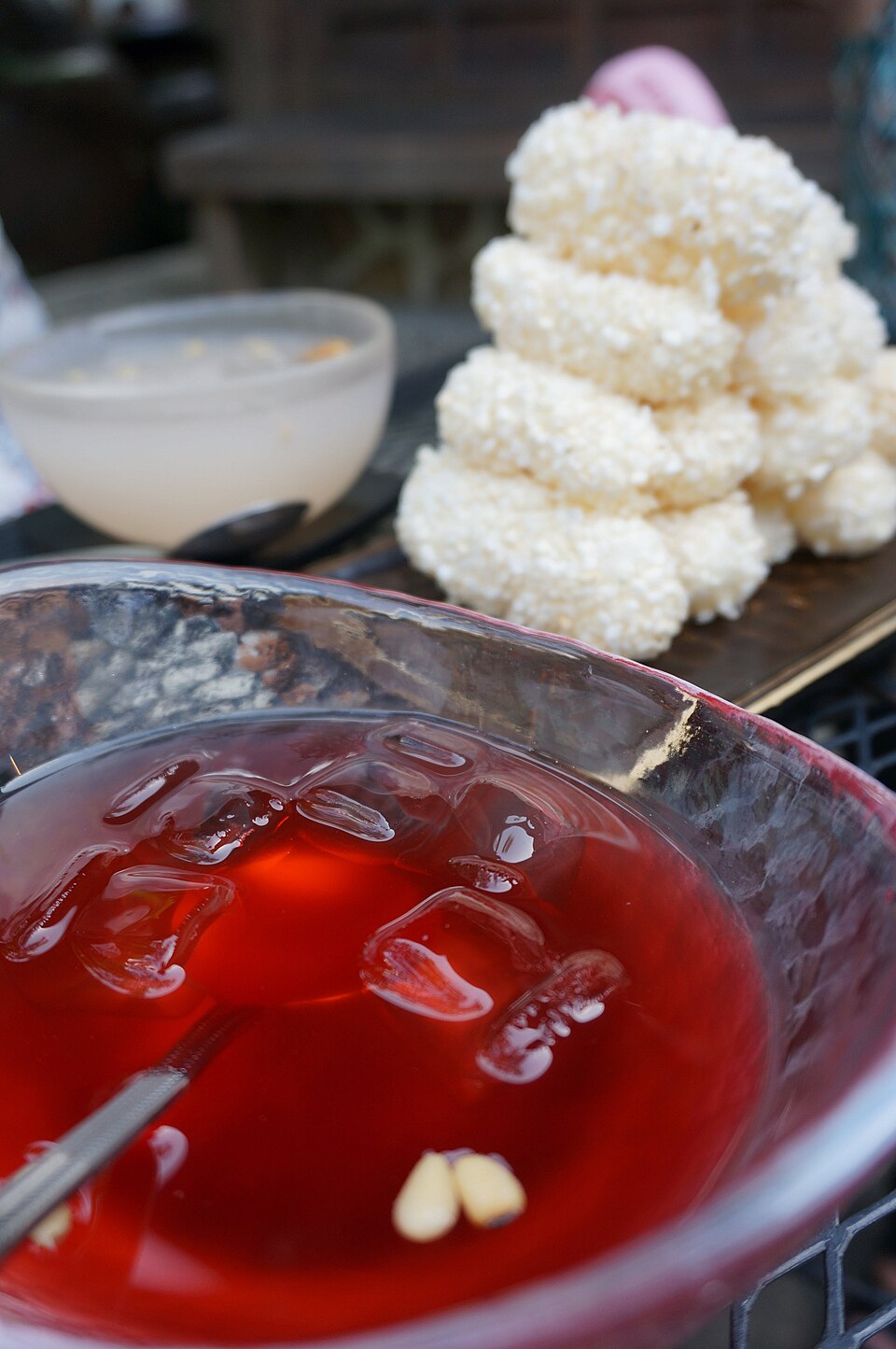
Korean tea and sweets work best when the visitor can picture texture, cup temperature, serving size, gift setting, and whether the food needs a short explanation.
This is the gift, dessert, or quiet afternoon moment: less about a cart and more about how a sweet or drink feels beside another person.
Royal-table and old-cookbook context adds depth to sweets, tea, rice cakes, and fruit beverages while keeping modern packaged foods in the present.
Place stories help visitors remember a food path: citrus drinks, tea fields, omija, summer noodles, rice bowls, and coastal snacks each carry a different Korean setting.
This is the browsing moment when a visitor is not ready to pick an item but wants a memorable reason to keep exploring the food family.
Regional language stays useful as food navigation only: it can suggest a flavor setting, table mood, or source tradition without certifying a product origin.
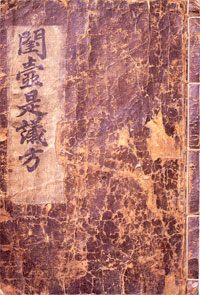
Historic source context gives modern K-food more texture when it explains table order, stored foods, fermented sauces, rice cakes, tea, and sweets without turning history into a claim.
This is the quiet discovery moment for someone who wants the food to feel less random and more rooted before opening another guide or category.
Old cookbooks and royal-table records can explain food families, preparation logic, and serving order while modern packaged foods stay clearly separate.
Atlas path
Category browsing becomes easier when one food family also has ingredient, context, and serving-role paths.
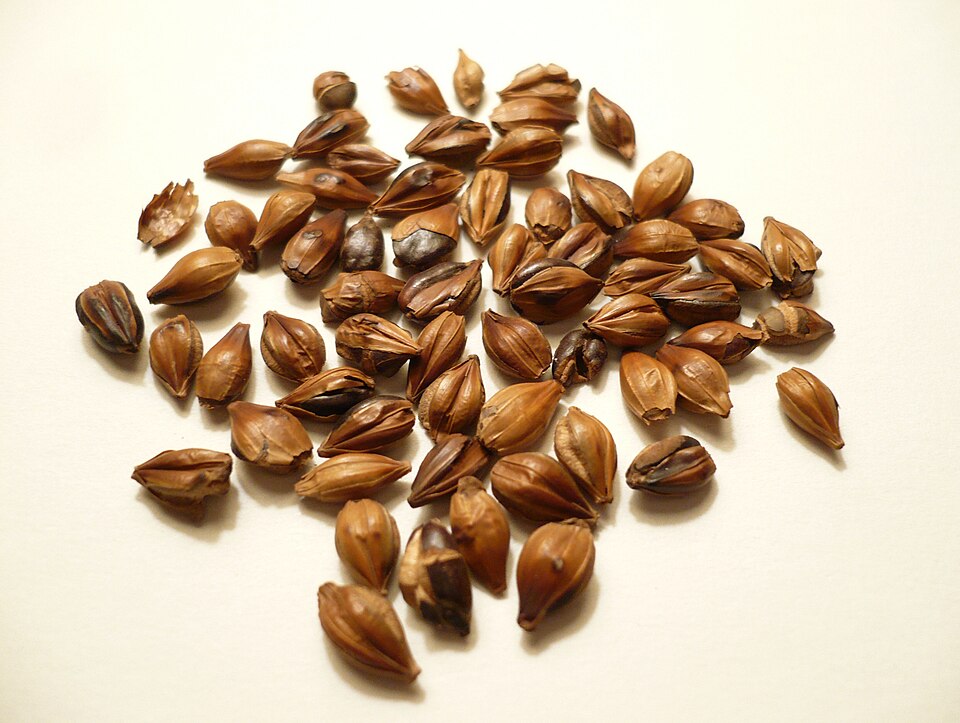
Barley, corn silk, grain mixes, and rice punch work best when flavor, serving temperature, and format are clear. This keeps the path about flavor and texture before the food narrows into a specific page.
Boseong gives Korean tea browsing a place-story cue while the product choice stays focused on flavor, count, preparation, and gifting. Regional cues are browsing cues, not product-origin certification.
Tea-pairing products feel clearer when the page names cup temperature, sweetness, dessert fit, and gift shelf presence. This keeps the next step grounded in table fit, serving style, and preparation instead of a hard sales prompt.
Category guide
A useful category choice starts with appetite and use. Buyer questions stay clearer when channel, pack, timing, and documents are named separately.
Serving ideas
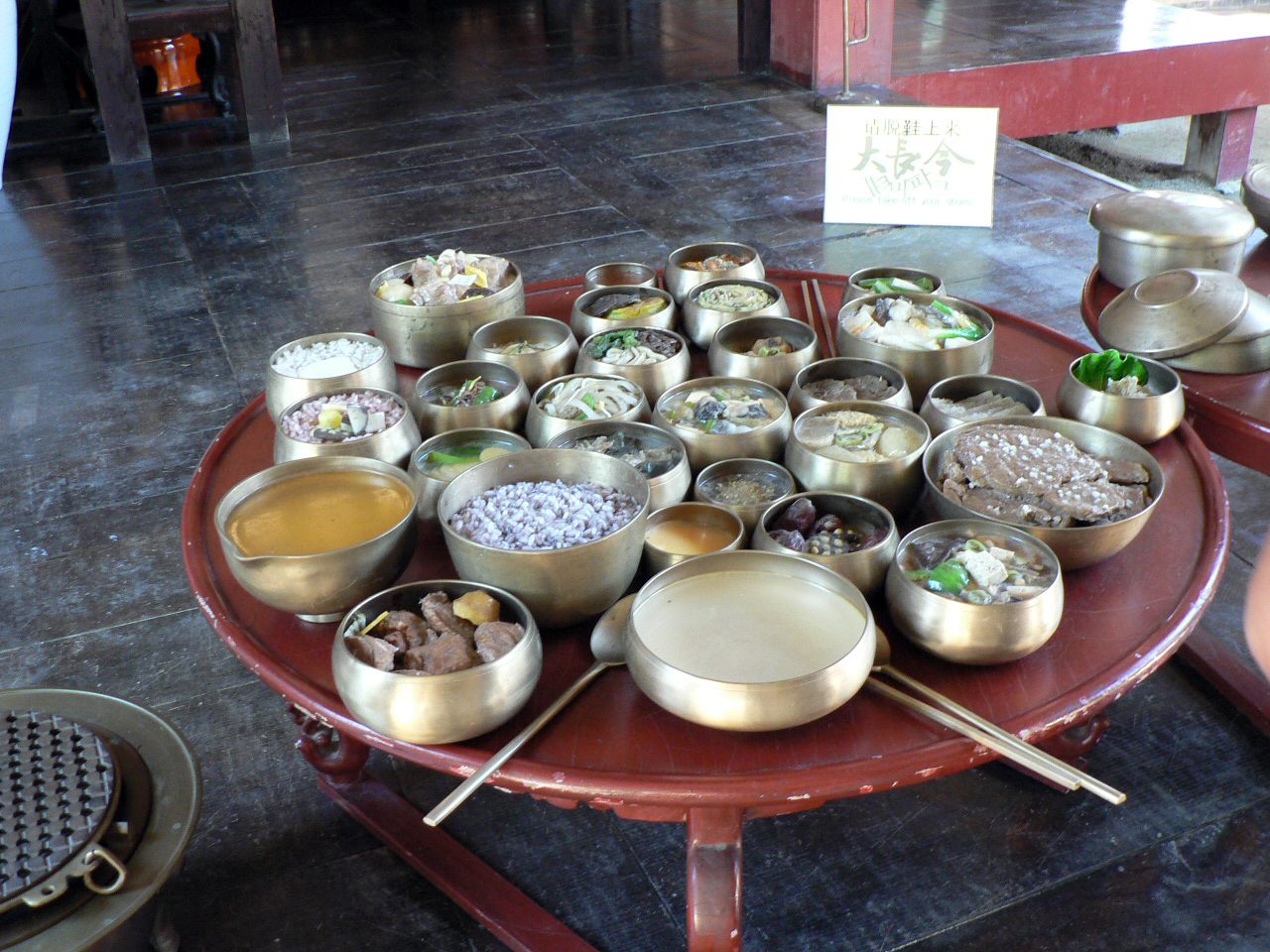
An open-license royal court cuisine table display for heritage-backed pantry, sauce, rice, tea, and sweet guide education.
A public-domain cookbook cover image that supports source-backed pantry, rice-cake, noodle, fermentation, and historic food context.
A regional tea-field visual that supports tea, beverage, gifting, and origin-context pages without wellness claims.
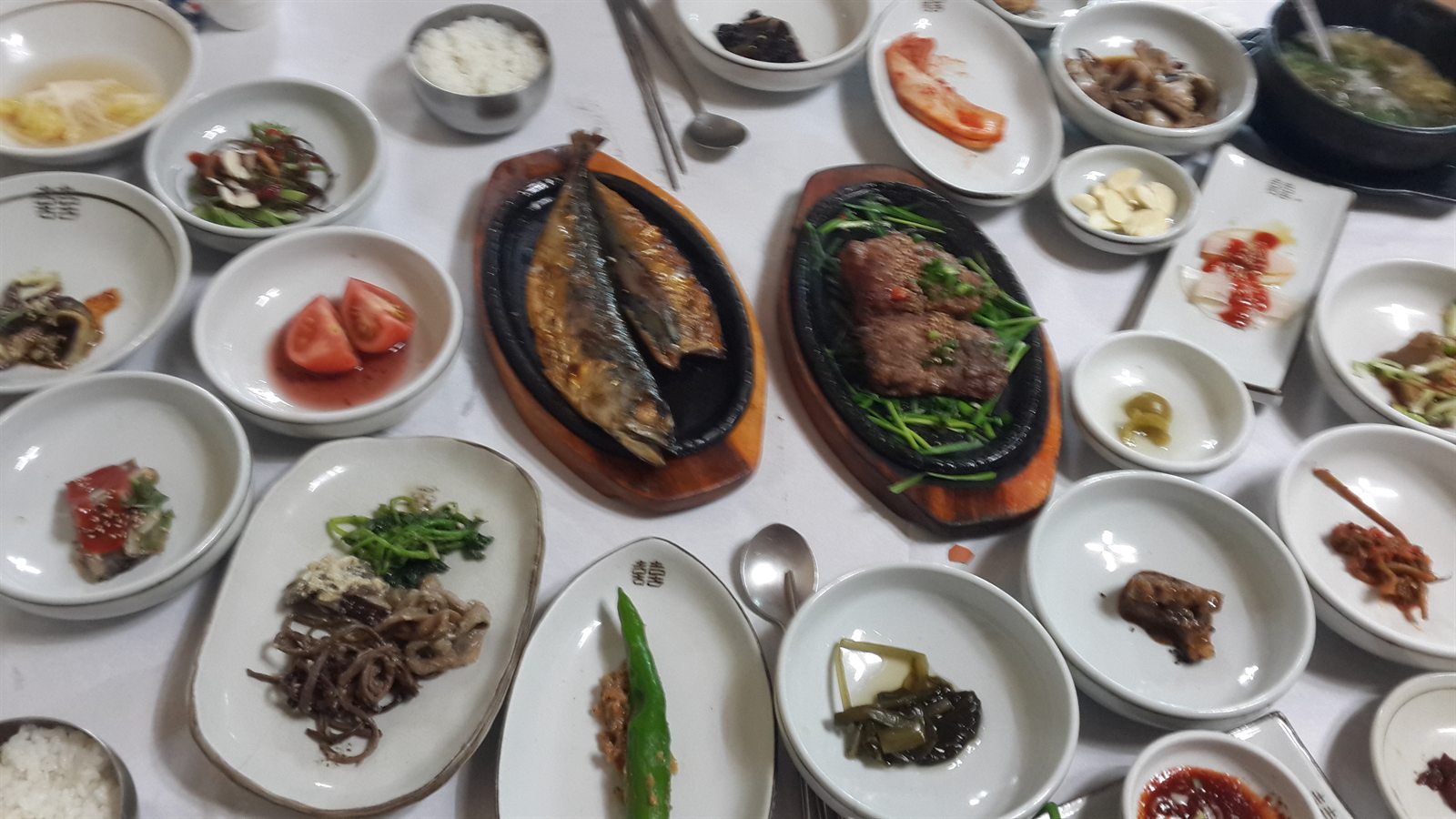
A table-culture visual for banchan, rice, stew, fermented sauce context, tea pairings, and traditional sweet guides.
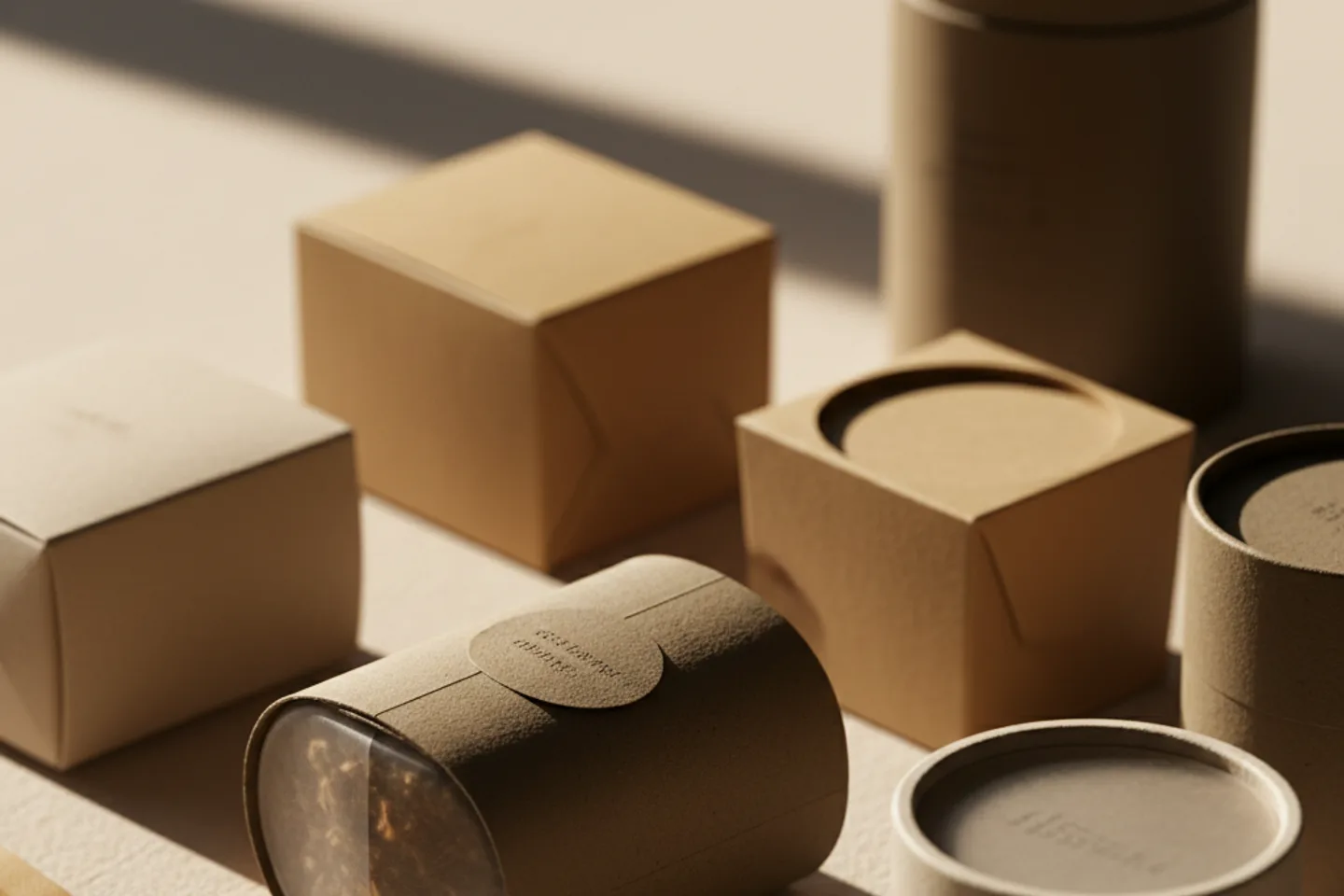
A neutral packaging visual for sampler boxes, giftable sweets, tea pairings, and browse-before-buy decisions.
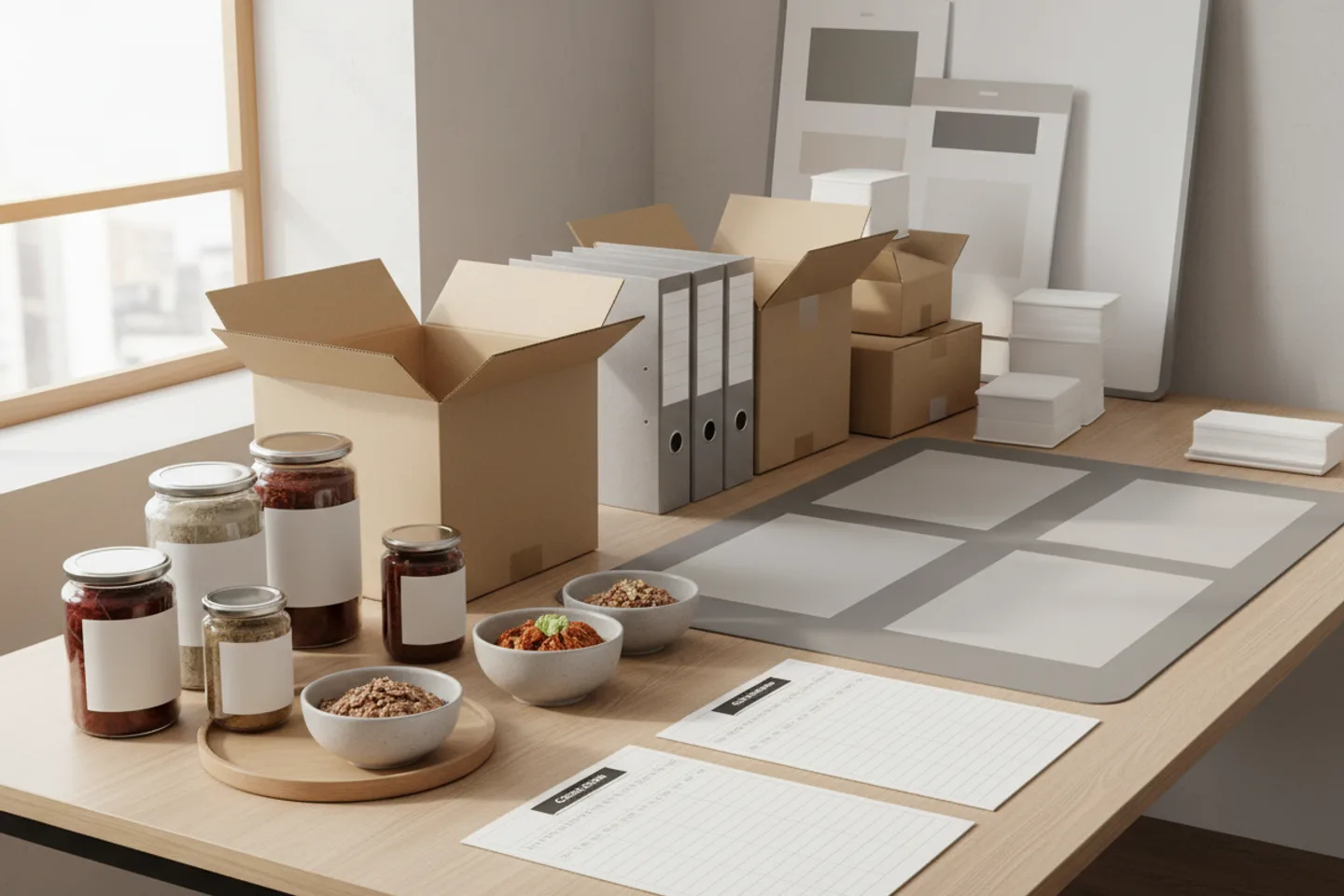
A trade-intent visual for category, market, volume, timeline, and import responsibility questions.

A clean review-desk visual for label, allergen, claim, catalog, and buyer-material preparation content.
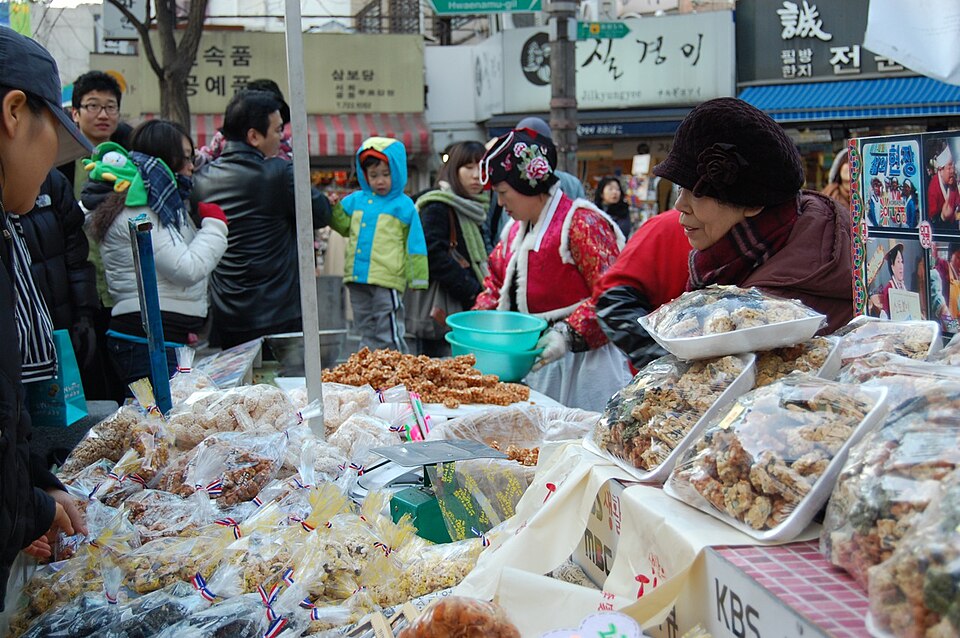
A traditional sweet stall visual for giftable sweets, tea pairing, and Seoul food-walk context.
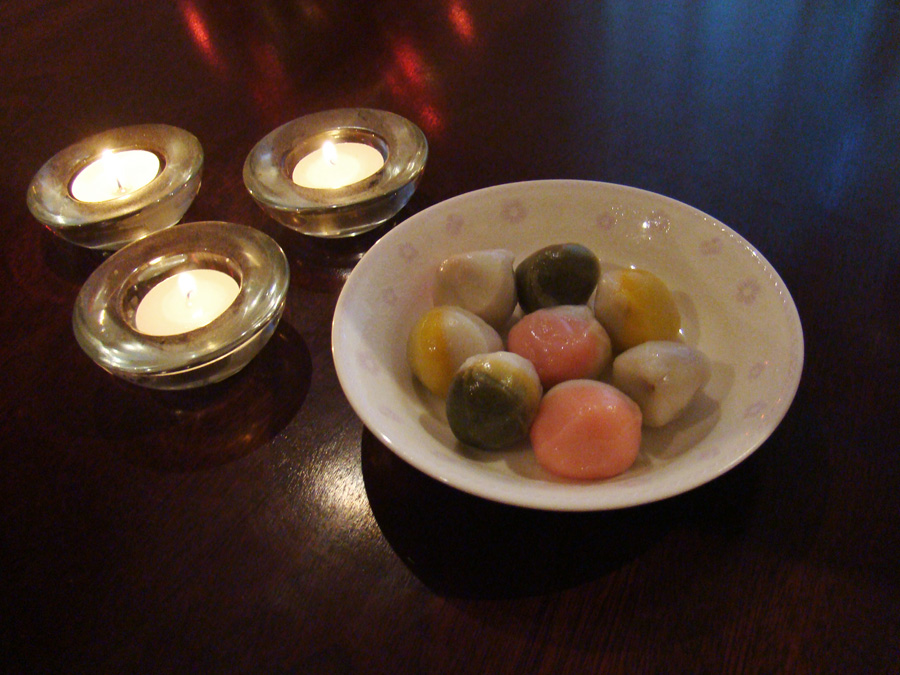
A songpyeon visual for rice-cake texture, holiday sweets, tea pairing, and heritage context.
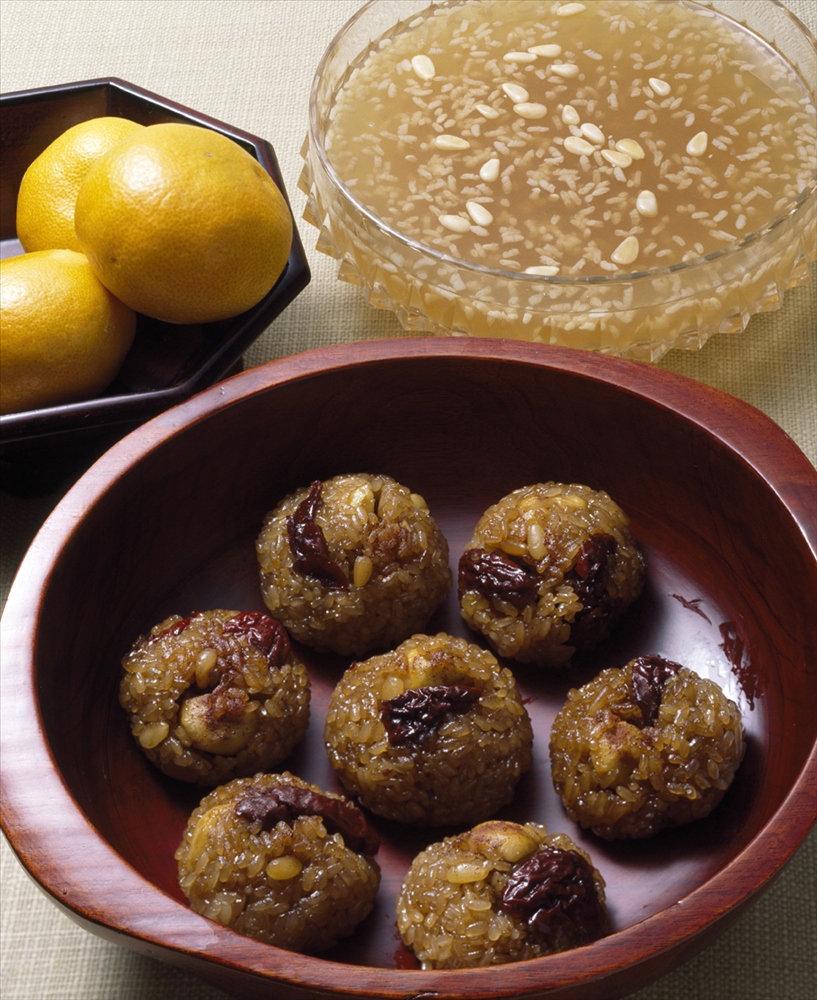
A sweet rice visual for nuts, jujube, giftable dessert, and slower tea-table context.
A tea-and-sweet pairing visual for dessert discovery without wellness language.
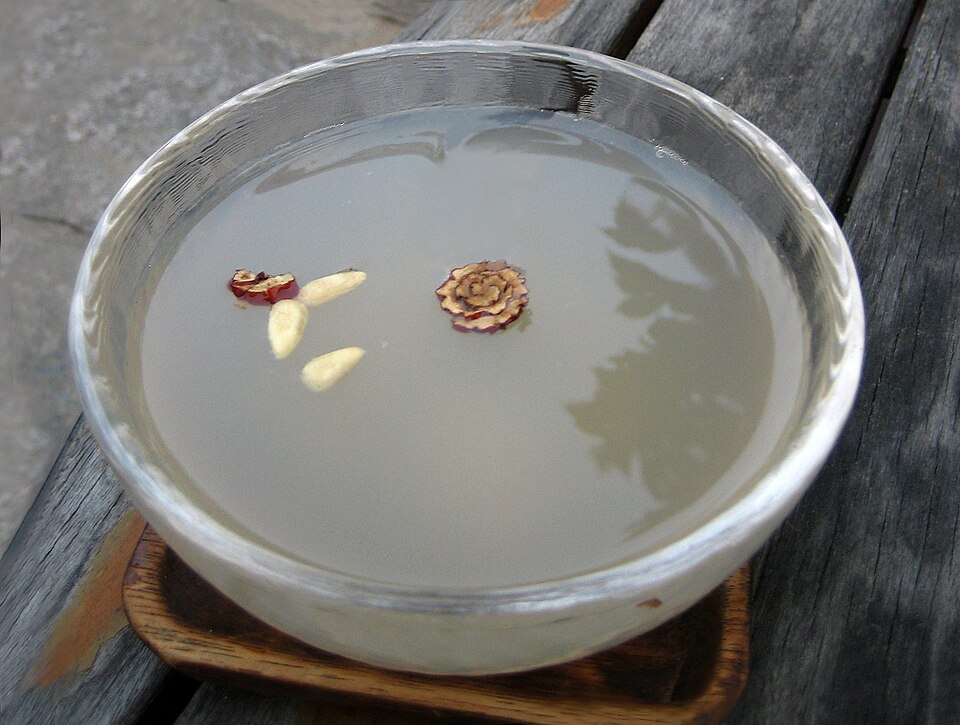
A traditional rice-drink visual for beverage mix, dessert, and chilled serving context.
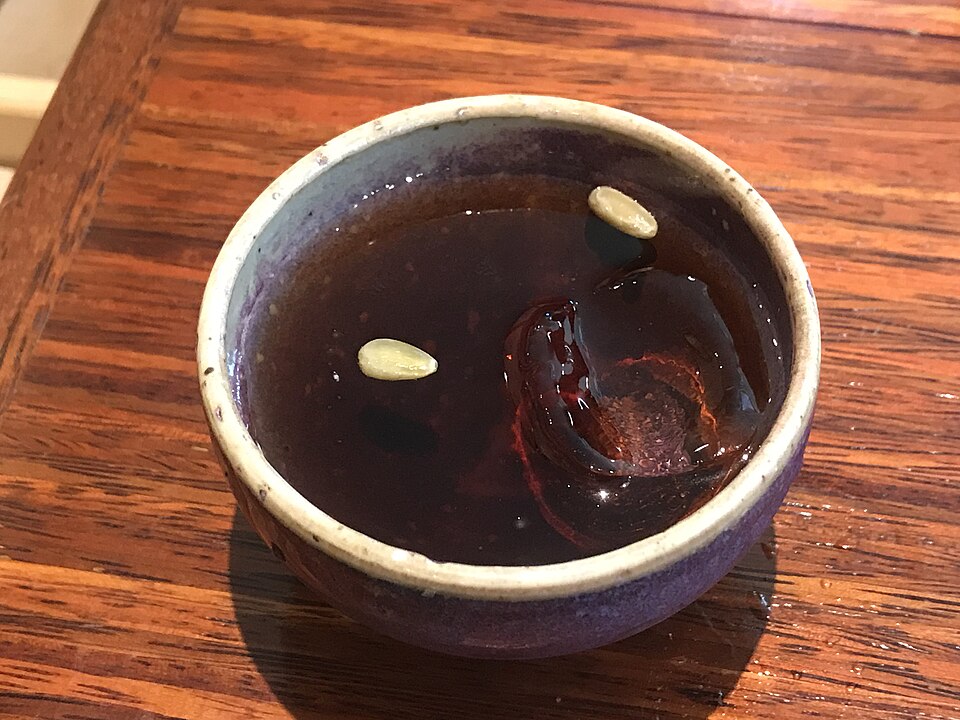
A cinnamon punch visual for traditional beverage, sweet finish, and claim-safe drink education.
A barley tea visual for everyday Korean drink context, hot or chilled serving, and claim-safe copy.
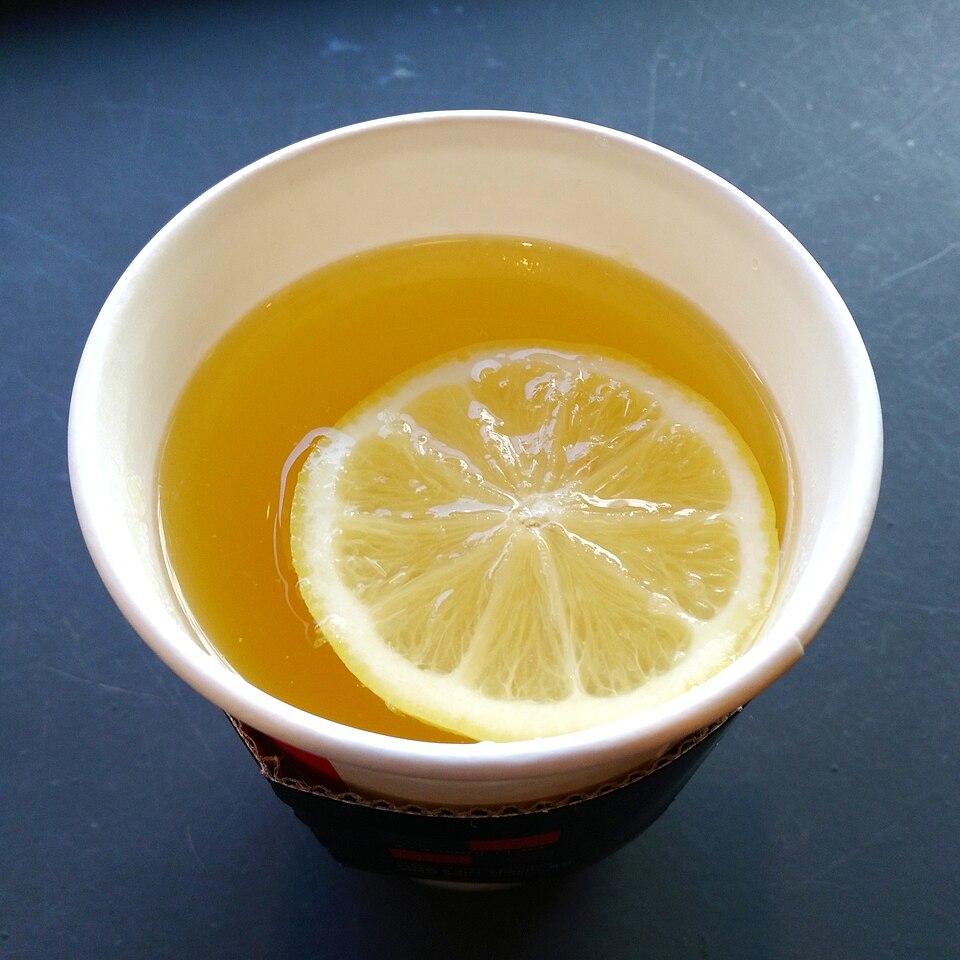
A yuja tea visual for sweet citrus drinks, cafe-style serving, and giftable beverage context.
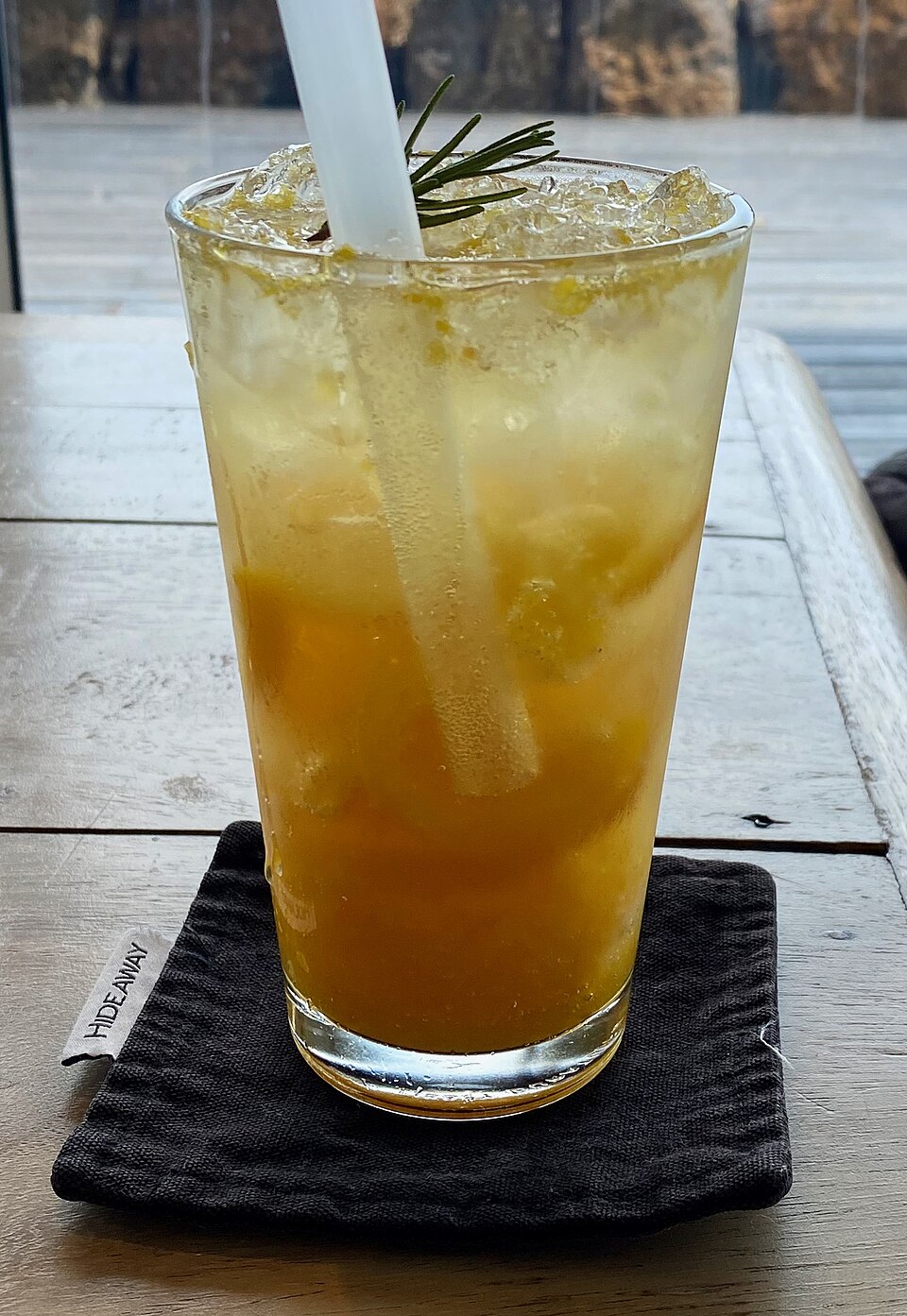
A Jeju citrus drink visual for regional beverage cues and sweet refreshment context.
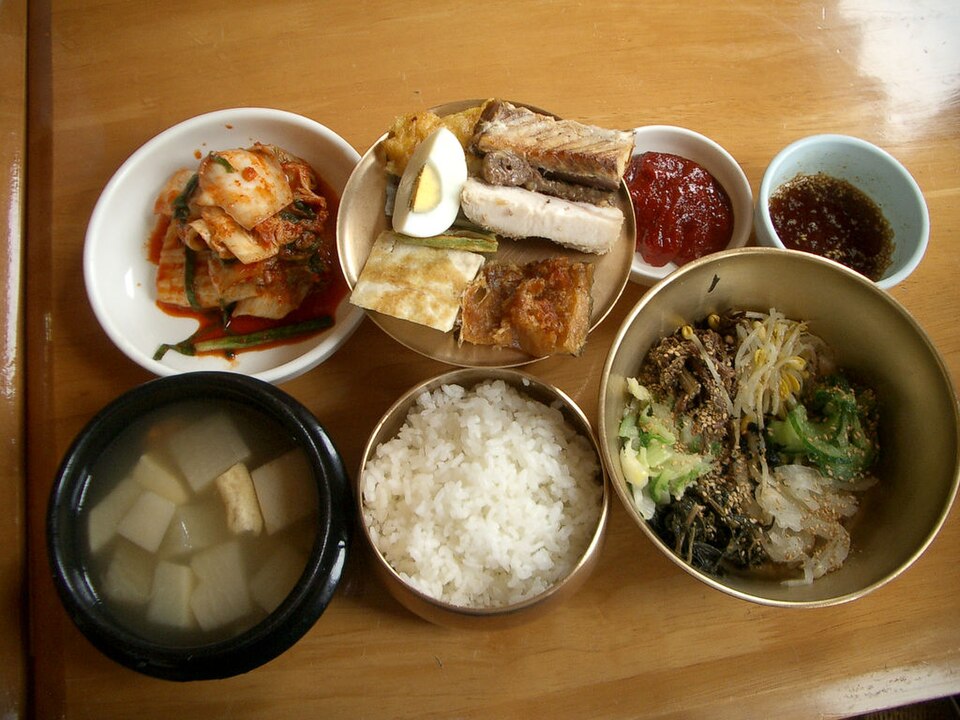
An Andong table visual for regional hansik, rice bowls, banchan, and heritage context.
Food guides
A tea and beverage-prep guide that gives consumers a familiar ritual while keeping health claims out of the copy.
Best when the food moment is slower: a warm cup, an iced pitcher, or a small dessert pairing.
TasteTea ritual: Roasted grain, citrus, honeyed sweetness, or clean aroma sets the pace.
TablePairs with rice crackers, yakgwa, breakfast, office cups, or quiet dessert.
Next biteChoose hot, iced, sweet, or roasted before comparing serving count.
A tea-bag guide for a simple Korean beverage ritual without wellness positioning.
Best when the food moment is slower: a warm cup, an iced pitcher, or a small dessert pairing.
TasteTea bag: Roasted grain, citrus, honeyed sweetness, or clean aroma sets the pace.
TablePairs with rice crackers, yakgwa, breakfast, office cups, or quiet dessert.
Next biteChoose hot, iced, sweet, or roasted before comparing serving count.
A Korean tea guide that needs especially careful copy because consumer awareness often drifts into unsupported wellness language.
Best when the food moment is slower: a warm cup, an iced pitcher, or a small dessert pairing.
TasteTea bag: Roasted grain, citrus, honeyed sweetness, or clean aroma sets the pace.
TablePairs with rice crackers, yakgwa, breakfast, office cups, or quiet dessert.
Next biteChoose hot, iced, sweet, or roasted before comparing serving count.
Guides
A food-first path for trying K-food through shelf-stable categories before moving into larger pantry habits.
consumerA source-backed heritage guide that turns Korean royal cuisine and old cookbook context into practical pantry, sauce, tea, and sweet ideas.
buyerA qualification guide for import interest before regulatory, logistics, or supplier commitments are made.
consumerA beverage guide that keeps yuzu citron tea, barley tea, corn silk tea, omija, and grain mixes in claim-safe public language.
consumerA guide for product choices that work well as gifts, samplers, seasonal boxes, and low-commitment discovery sets.
buyerA conservative checklist for products where ingredients, allergens, storage, or claims need review before a trade handoff.
Next action
If the category is useful for a retail shelf, foodservice menu, or Korean company product page, start with the guide that matches the question.