Food discovery

Writing Korean tea and beverage copy without health claims

Korean beverage content can explain ritual, flavor, and preparation without drifting into wellness claims.

Disclosure

This guide may point to product context pages when they help explain the food.

Green tea fields on terraced hills in Boseong, Korea
Regional teaBoseong green tea source board

A regional tea-field visual that supports tea, beverage, gifting, and origin-context pages without wellness claims.

  • Boseong source
  • Tea ritual
  • No wellness claims

Food path

Decide what this guide helps with next.

Food path

Start from the food moment

Writing Korean tea and beverage copy without health claims is a calm entry point into Yuzu Citron Tea, Barley Tea Bag, Corn Silk Tea. Start with the craving, occasion, or pantry gap before comparing any individual product page.

  • Craving first
  • Occasion fit
  • No forced decision
Serving map

Build a small table

The connected Tea / Beverage Mix / Sweets guides work best as parts of a meal or gift setting, not isolated product tiles. Each food sits beside rice, tea, noodles, sauces, snacks, or sweets when relevant.

  • Table role
  • Pairing context
  • Readable format
Inquiry note

Know when inquiry starts

Food interest is only a soft signal. A craving-led guide can show what people want to explore, but inquiry work still needs market, channel, volume, and product documents.

  • Inquiry boundary
  • Product details
  • Channel clarity
Choice confidence

Know what stays separate

Food interest can guide the next question, but retailer choice, buyer inquiry, and product responsibility stay separate until the exact need is clear.

  • Food context first
  • Retailer separate
  • Clear limits

Food moments

Keep the guide close to an eating scene.

3 connected scenes
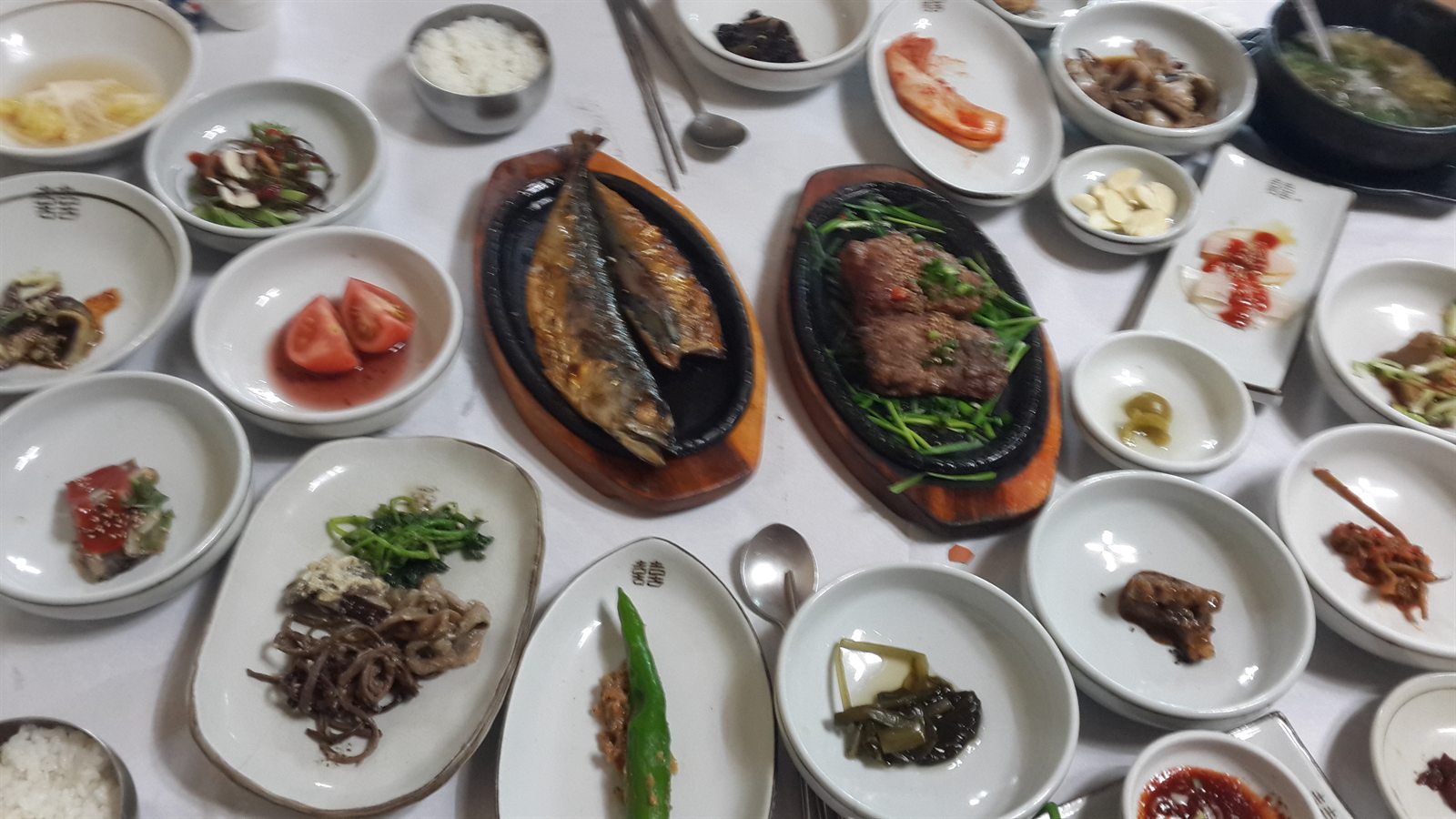
Traditional Korean table with rice, stew, banchan, and shared dishes
First pantry bowl

Rice, seaweed, sauce, and one warm cup

A first Korean pantry feels natural when it begins with one small table: rice or noodles, crisp seaweed, a spoon of sauce, sesame or tea, and a food that can repeat next week.

This is the low-friction moment for someone who wants K-food at home without learning a long recipe or building a full pantry at once.

The table logic comes from everyday hansik structure: rice as base, banchan nearby, sauces for direction, and tea or sweets as a quiet finish.

  • Rice base
  • Sauce bowl
  • Tea pause
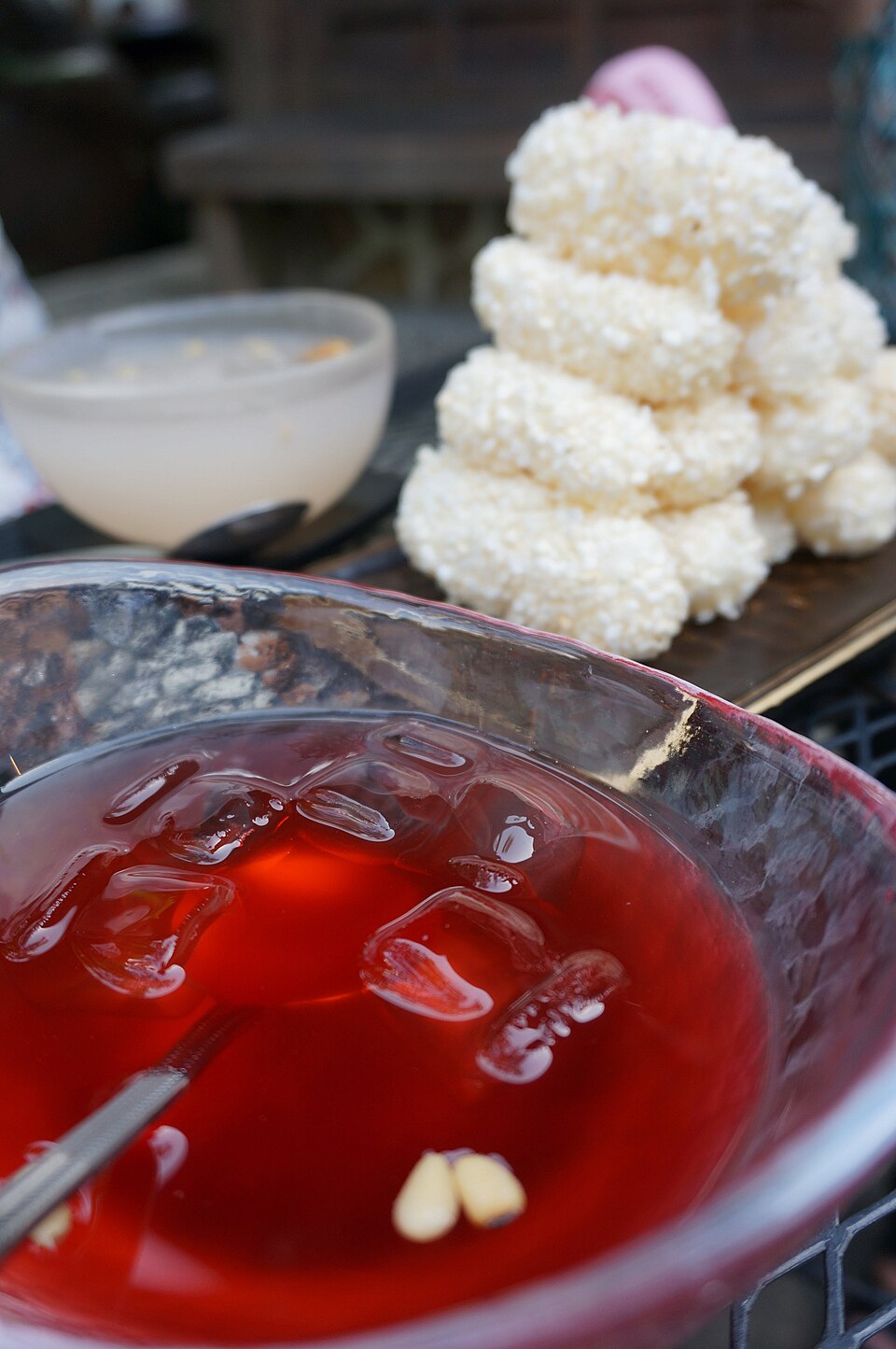
Korean omija tea and yugwa sweets served together
Slow finish

Tea, yakgwa, fruit drinks, and softer sweets

Korean tea and sweets work best when the visitor can picture texture, cup temperature, serving size, gift setting, and whether the food needs a short explanation.

This is the gift, dessert, or quiet afternoon moment: less about a cart and more about how a sweet or drink feels beside another person.

Royal-table and old-cookbook context adds depth to sweets, tea, rice cakes, and fruit beverages while keeping modern packaged foods in the present.

  • Tea pairing
  • Gift setting
  • Texture
Green tea fields on terraced hills in Boseong, Korea
Place story

Jeju citrus, Boseong tea, and regional flavor cues

Place stories help visitors remember a food path: citrus drinks, tea fields, omija, summer noodles, rice bowls, and coastal snacks each carry a different Korean setting.

This is the browsing moment when a visitor is not ready to pick an item but wants a memorable reason to keep exploring the food family.

Regional language stays useful as food navigation only: it can suggest a flavor setting, table mood, or source tradition without certifying a product origin.

  • Place cue
  • Tea field
  • Atlas

Atlas path

Follow ingredient, place-story, and table-role cues.

These paths keep the guide close to flavor, context, and serving use before any specific food page.

Open K-food Atlas

More ways to picture it

The food makes more sense in context.

3 visual cues
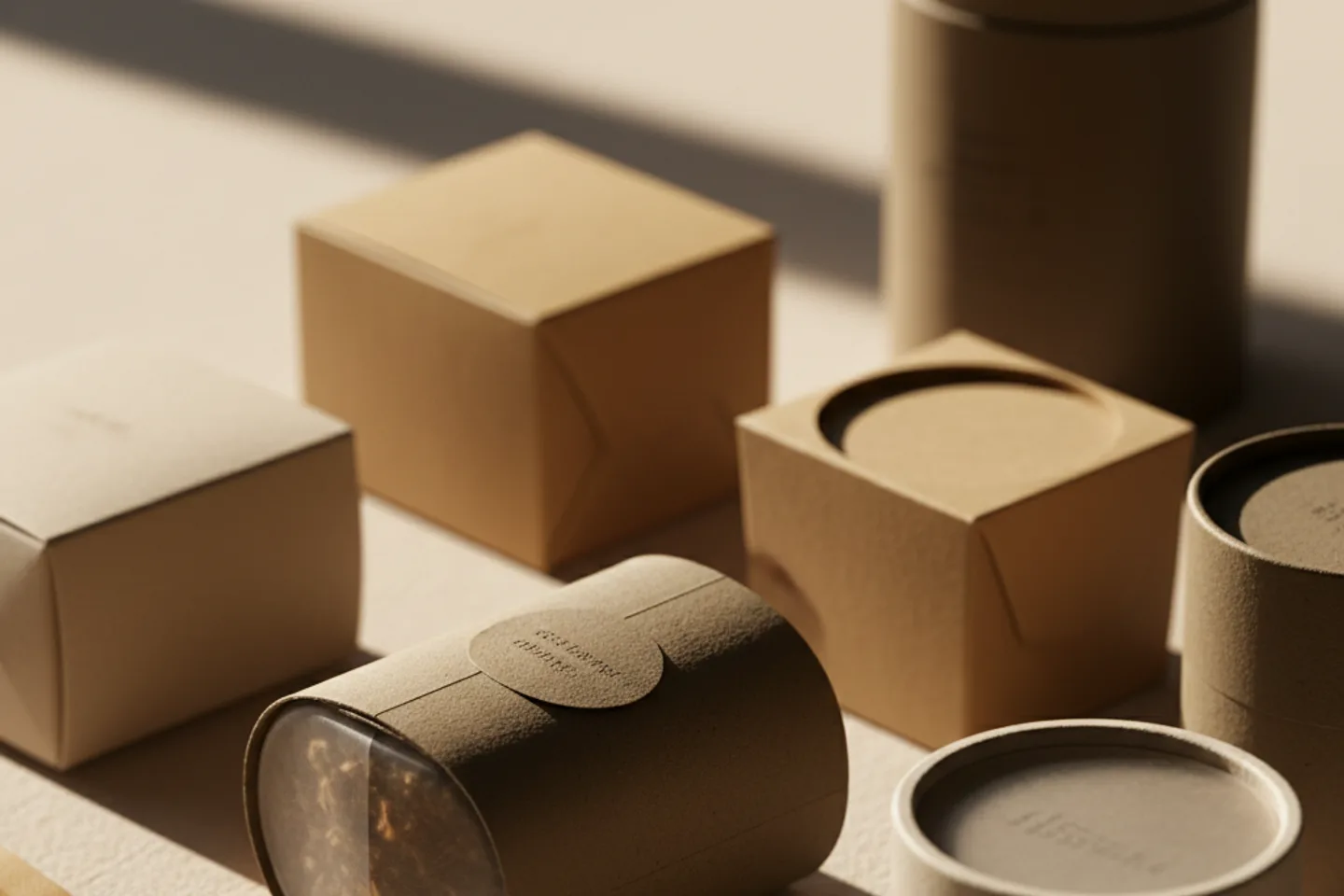
Mixboard-generated neutral K-food packaging silhouettes with boxes and paper cylinders
Sampler packaging

Sampler and gift packaging board

A neutral packaging visual for sampler boxes, giftable sweets, tea pairings, and browse-before-buy decisions.

  • Sampler size
  • Gift context
  • Packaging clarity
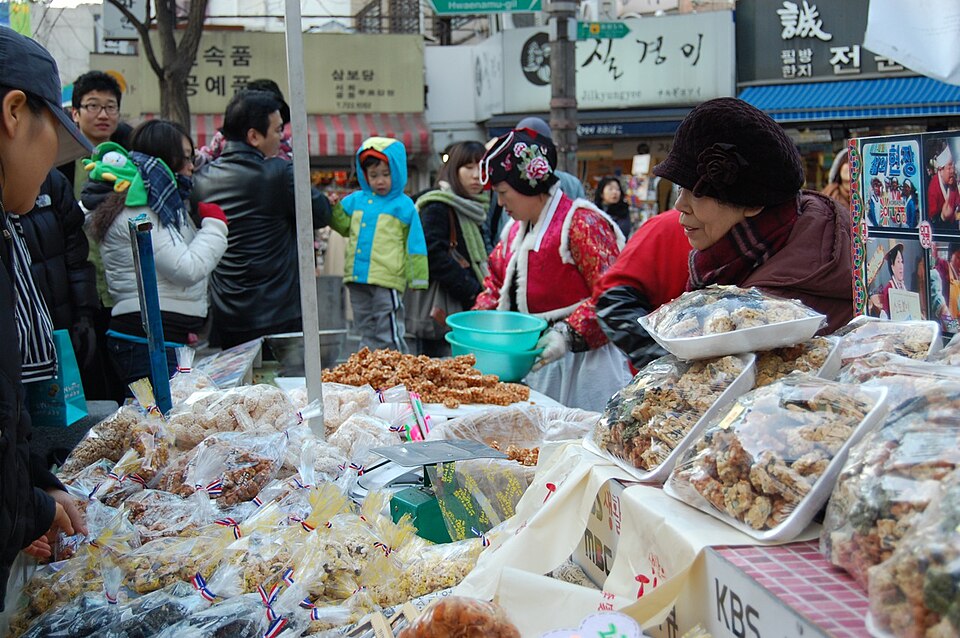
Hangwa traditional Korean sweets displayed by a street vendor in Insadong Seoul
Traditional sweets

Insadong hangwa board

A traditional sweet stall visual for giftable sweets, tea pairing, and Seoul food-walk context.

  • Traditional sweets
  • Tea pairing
  • Gift table
Korean omija tea served with yugwa sweets
Tea pairing

Omija tea and yugwa board

A tea-and-sweet pairing visual for dessert discovery without wellness language.

  • Omija tea
  • Yugwa pairing
  • No wellness claims

Start with the craving

Tea and beverage guides work when they answer a mood rather than a claim: something warm after dinner, an iced cafe-style drink, a sweet jar for winter, a roasted barley pour with food, or a grain mix that feels like a small pantry ritual.

Choose by format

Yuzu citron tea, barley tea bags, corn silk tea, omija base, grain beverage mix, and rice punch ask for different explanations. Concentrate, bag, powder, ready-to-drink style, and dessert pairing stay separate before flavor copy.

Let the table moment lead

A beverage can sit beside yakgwa, red bean jelly, rice crackers, or a quiet breakfast bowl. Pairing language makes service, temperature, sweetness, and packaging easy to imagine without drifting into body-function or treatment claims.

Food angle

Pause in the middle and choose the next food angle.

Let yuzu stay culinary

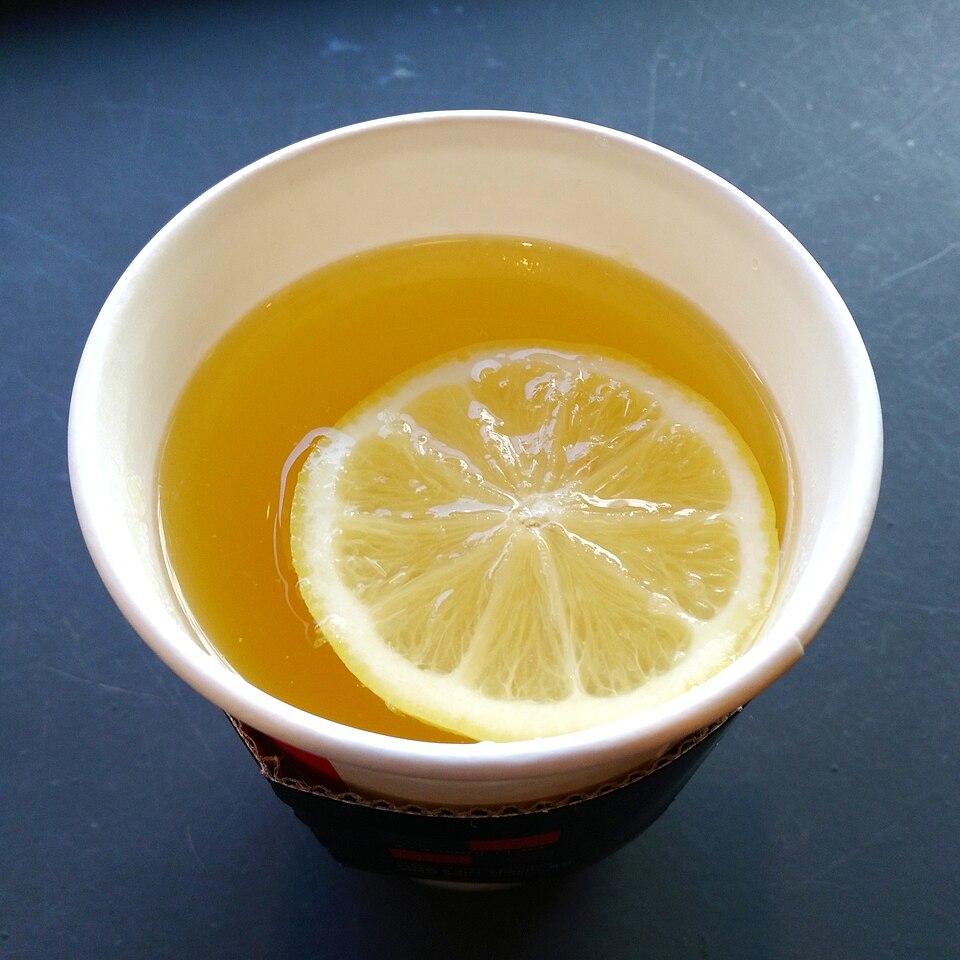
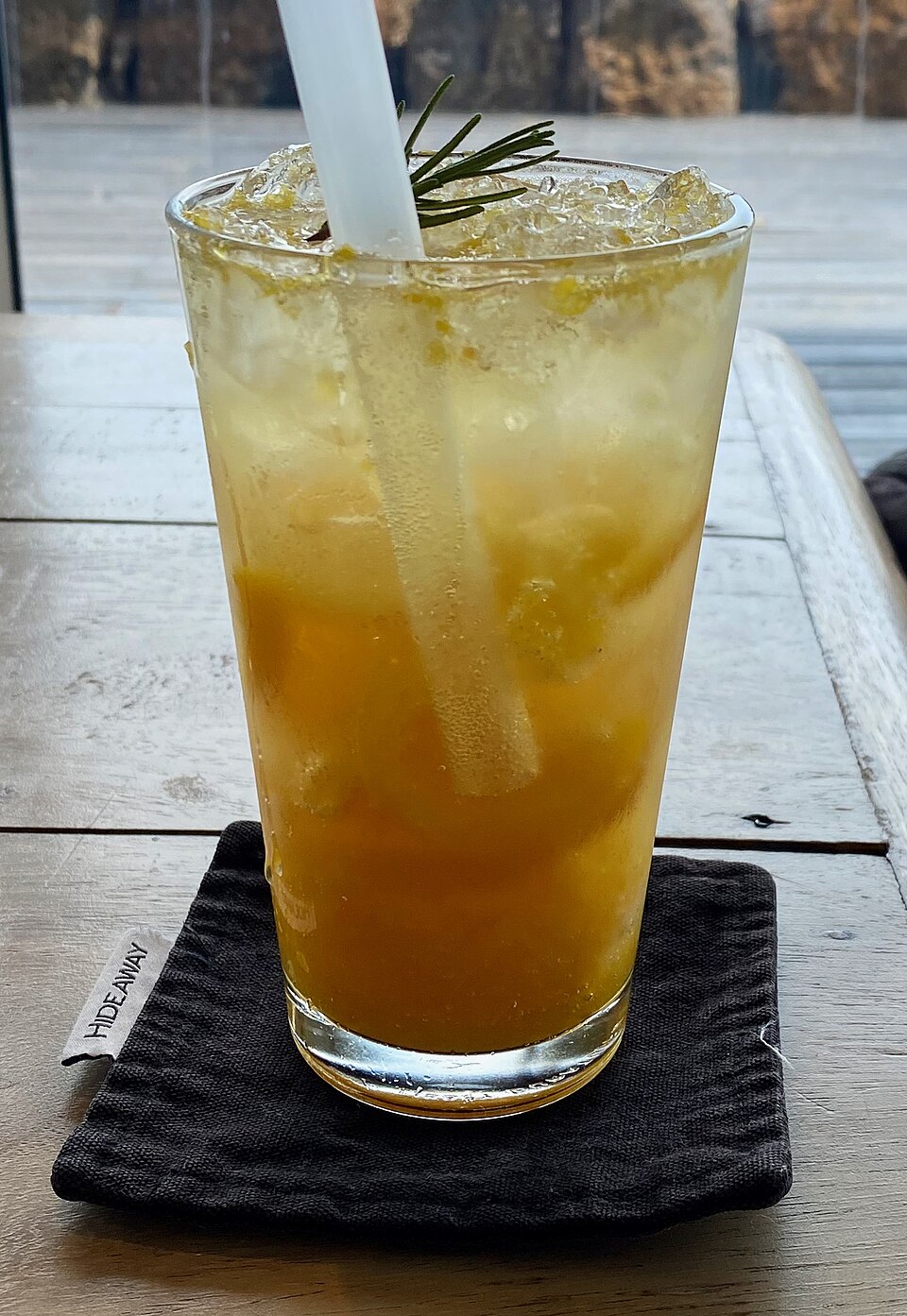
Yuzu citron tea is strongest as a culinary object: a sweet citrus jar with peel, spooned into hot water, poured over ice, or used beside toast and dessert. Copy can describe the glossy jar, the citrus bitterness, the sweetness level, and the cafe-style preparation. It does not need a wellness promise to feel useful.

Make barley tea an everyday table drink

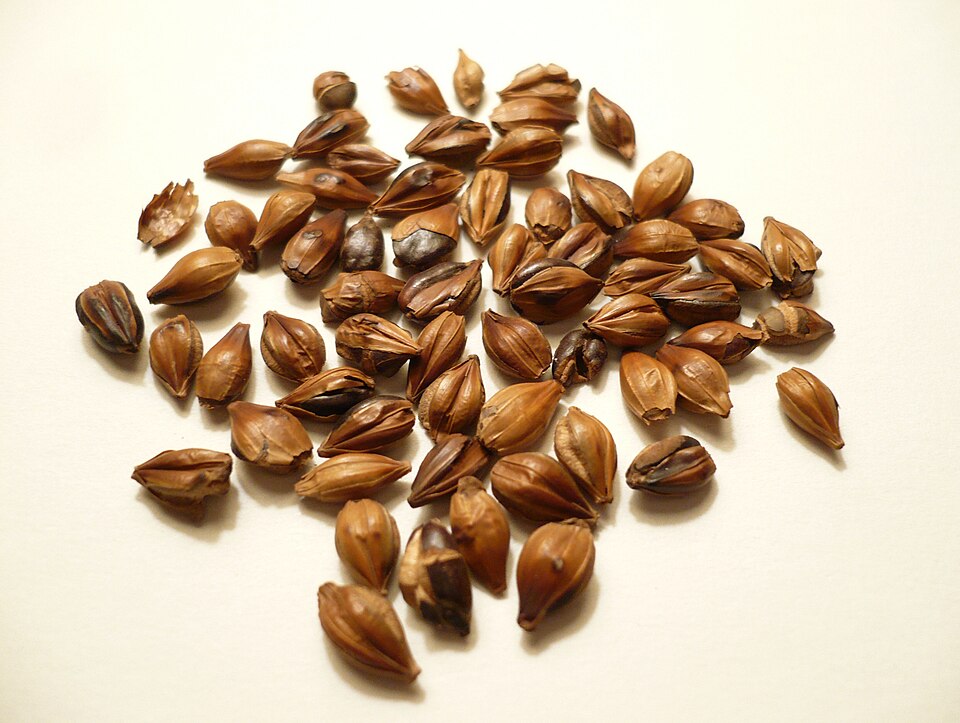
Barley tea belongs beside rice, noodles, snacks, and late-night leftovers because the flavor is roasted, mild, and easy to serve hot or cold. The useful details are bag count, steeping style, pitcher use, and temperature. That keeps the drink grounded in table rhythm instead of body-function language.

Give omija its flavor map

Omija works when the page explains the berry character first: tart, sweet, bright, and suited to iced drinks, sparkling pours, and small gift moments. Dilution, storage, sweetness, and color help people imagine the bottle at home. The flavor map does the work that a claim-heavy paragraph would otherwise try to do.

Place sikhye beside dessert

Sikhye, or Korean rice punch, feels different from tea because it brings chilled sweetness, grain aroma, and a dessert-table role. Naming the rice texture, can format, holiday memory, and after-meal setting gives the category a clear place beside yakgwa, rice cakes, or fruit without turning it into a functional beverage.

Keep serving cues visible

Hot mug, iced glass, chilled can, pitcher, concentrate, pouch, and powder each create a different decision. Beverage pages stay easier when serving temperature, dilution, storage, sweetness, and pairing sit near the top. These details make the category practical while keeping claim review separate from public appetite building.

Keep the choice calm

Beverage language stays especially restrained. It can describe aroma, serving temperature, preparation, cafe mood, and gift context without turning common wellness associations into product promises.

Know what not to assume

Claims-sensitive categories need a clear boundary. KFoodHunter can discuss ritual, flavor, and pantry use, but regulatory review, label claims, medical effects, and importer responsibility belong in separate qualified review.


Guide value

Why this guide is useful

Food need

What this clarifies

Keep beverage discovery focused on ritual, flavor, preparation, and gifting instead of wellness positioning.

Category bridge

Food categories connected here

Connect tea, beverage mix, and sweet hubs where pairing, cafe, gift, and office pantry contexts overlap.

Buyer questions

When sourcing becomes serious

Guide buyer interest through label-claim risk, format, channel, and product documents before supplier matching.

Responsibility note

What stays separate

Claims-sensitive guide text stays separate from retailer references until product-specific review is complete.

Related categories

Food categories connected to this guide

Category notes

Food moments behind this guide

Tea

Daily hot or iced beverage rituals

Choose by serving ritual: hot cup, iced pitcher, cafe-style drink, gift jar, or office pantry routine.

Is the channel tea aisle, cafe retail, gift set, online grocery, or office supply?

Beverage Mix

Cafe-style drinks and seasonal iced beverages

Clarify whether the product is a powder, syrup, base, concentrate, or ready beverage.

Is the demand cafe retail, grocery shelf, gift channel, foodservice, or office pantry?

Sweets

Tea pairing, gift boxes, and party samplers

Choose by texture and occasion: cookie, jelly, candy, traditional sweet, tea pairing, or party novelty.

Is the buyer looking for gift sets, dessert aisle, novelty retail, event merchandise, or cultural boxes?

Food guides

Food ideas mentioned in this guide

Tea

Yuzu Citron Tea Guide

A tea and beverage-prep guide that gives consumers a familiar ritual while keeping health claims out of the copy.

Best when the food moment is slower: a warm cup, an iced pitcher, or a small dessert pairing.

TasteTea ritual: Roasted grain, citrus, honeyed sweetness, or clean aroma sets the pace.

TablePairs with rice crackers, yakgwa, breakfast, office cups, or quiet dessert.

Next biteChoose hot, iced, sweet, or roasted before comparing serving count.

  • Tea ritual
  • Giftable
  • Pantry jar
Tea

Barley Tea Bag Guide

A tea-bag guide for a simple Korean beverage ritual without wellness positioning.

Best when the food moment is slower: a warm cup, an iced pitcher, or a small dessert pairing.

TasteTea bag: Roasted grain, citrus, honeyed sweetness, or clean aroma sets the pace.

TablePairs with rice crackers, yakgwa, breakfast, office cups, or quiet dessert.

Next biteChoose hot, iced, sweet, or roasted before comparing serving count.

  • Tea bag
  • Daily ritual
  • Low-prep
Tea

Corn Silk Tea Guide

A Korean tea guide that needs especially careful copy because consumer awareness often drifts into unsupported wellness language.

Best when the food moment is slower: a warm cup, an iced pitcher, or a small dessert pairing.

TasteTea bag: Roasted grain, citrus, honeyed sweetness, or clean aroma sets the pace.

TablePairs with rice crackers, yakgwa, breakfast, office cups, or quiet dessert.

Next biteChoose hot, iced, sweet, or roasted before comparing serving count.

  • Tea bag
  • Clear copy needed
  • Pantry-ready
Beverage Mix

Omija Beverage Base Guide

A beverage-base guide that can introduce Korean flavor culture while keeping preparation and label context clear.

Best when the shopper wants a drink ritual beyond snacks and noodles, with preparation made easy.

TasteBeverage base: Powder, syrup, grain, fruit, or milk-base formats shape the craving.

TableWorks as cafe-style drinks, breakfast cups, chilled dessert, or giftable samplers.

Next biteDecide the preparation moment first: hot, cold, diluted, or blended.

  • Beverage base
  • Seasonal
  • Giftable
Beverage Mix

Korean Grain Beverage Mix Guide

A shelf-stable beverage-mix guide for consumers who want Korean pantry discovery beyond snacks and noodles.

Best when the shopper wants a drink ritual beyond snacks and noodles, with preparation made easy.

TasteDry mix: Powder, syrup, grain, fruit, or milk-base formats shape the craving.

TableWorks as cafe-style drinks, breakfast cups, chilled dessert, or giftable samplers.

Next biteDecide the preparation moment first: hot, cold, diluted, or blended.

  • Dry mix
  • Beverage prep
  • Pantry format
Sweets

Yakgwa Cookie Guide

A traditional sweet guide for Korean dessert formats beyond candy and chocolate.

Best when a small dessert or gift needs texture clarity before any listing comparison.

TasteTraditional sweet: Chewy, crisp, syrupy, jelly-like, or tea-paired texture leads the choice.

TableFits tea trays, party bowls, coffee tables, lunchbox treats, and gift shelves.

Next biteChoose texture and sweetness first, then compare pack format.

  • Traditional sweet
  • Giftable
  • Dessert context

Food scene bridge

Keep the guide grounded in taste, place, and table use.

3 scene cues

Detail continuations

Keep moving by taste, place, and table role.

The article can continue as a food angle before it becomes a form, sourcing note, or exact item comparison.

5 calm paths

Next step

Move from craving to the right food question.