Food discovery

Royal cuisine to modern K-food pantry ideas

Historic Korean food sources add depth to modern product discovery by explaining context rather than certifying a packaged product as traditional.

Disclosure

This guide may point to product context pages when they help explain the food.

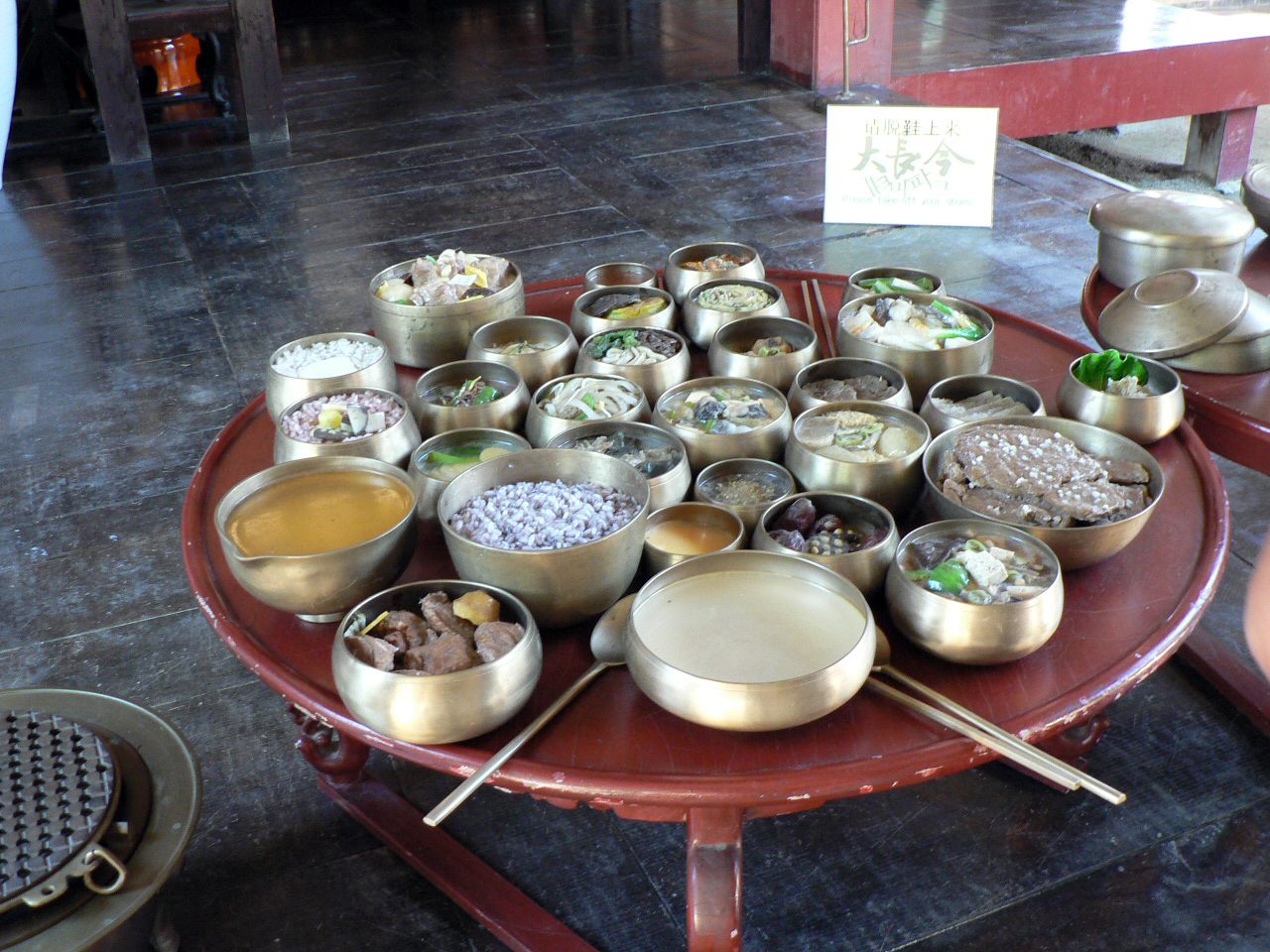
Korean royal court cuisine table display with brass bowls and ceremonial serving context
Royal cuisineRoyal table source board

An open-license royal court cuisine table display for heritage-backed pantry, sauce, rice, tea, and sweet guide education.

  • Royal table context
  • Rice and sauce guides
  • Heritage without product proof

Food path

Decide what this guide helps with next.

Food path

Start from the food moment

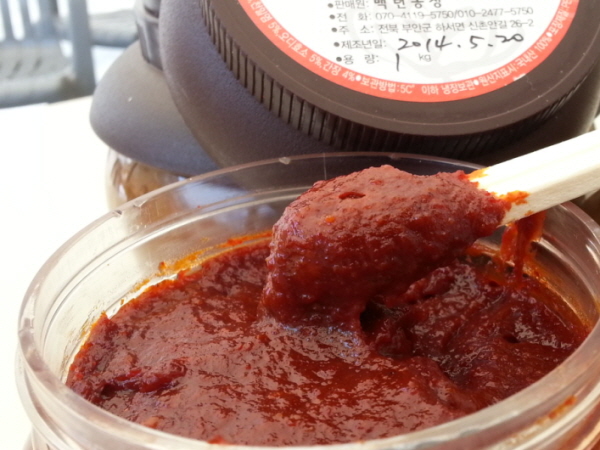
Royal cuisine to modern K-food pantry ideas is a calm entry point into Gochujang Sauce, Ssamjang Dipping Sauce, Roasted Sesame Oil. Start with the craving, occasion, or pantry gap before comparing any individual product page.

  • Craving first
  • Occasion fit
  • No forced decision
Serving map

Build a small table

The connected Sauces / Pantry / Tea / Sweets guides work best as parts of a meal or gift setting, not isolated product tiles. Each food sits beside rice, tea, noodles, sauces, snacks, or sweets when relevant.

  • Table role
  • Pairing context
  • Readable format
Inquiry note

Know when inquiry starts

Food interest is only a soft signal. A craving-led guide can show what people want to explore, but inquiry work still needs market, channel, volume, and product documents.

  • Inquiry boundary
  • Product details
  • Channel clarity
Choice confidence

Know what stays separate

Food interest can guide the next question, but retailer choice, buyer inquiry, and product responsibility stay separate until the exact need is clear.

  • Food context first
  • Retailer separate
  • Clear limits

Food moments

Keep the guide close to an eating scene.

3 connected scenes
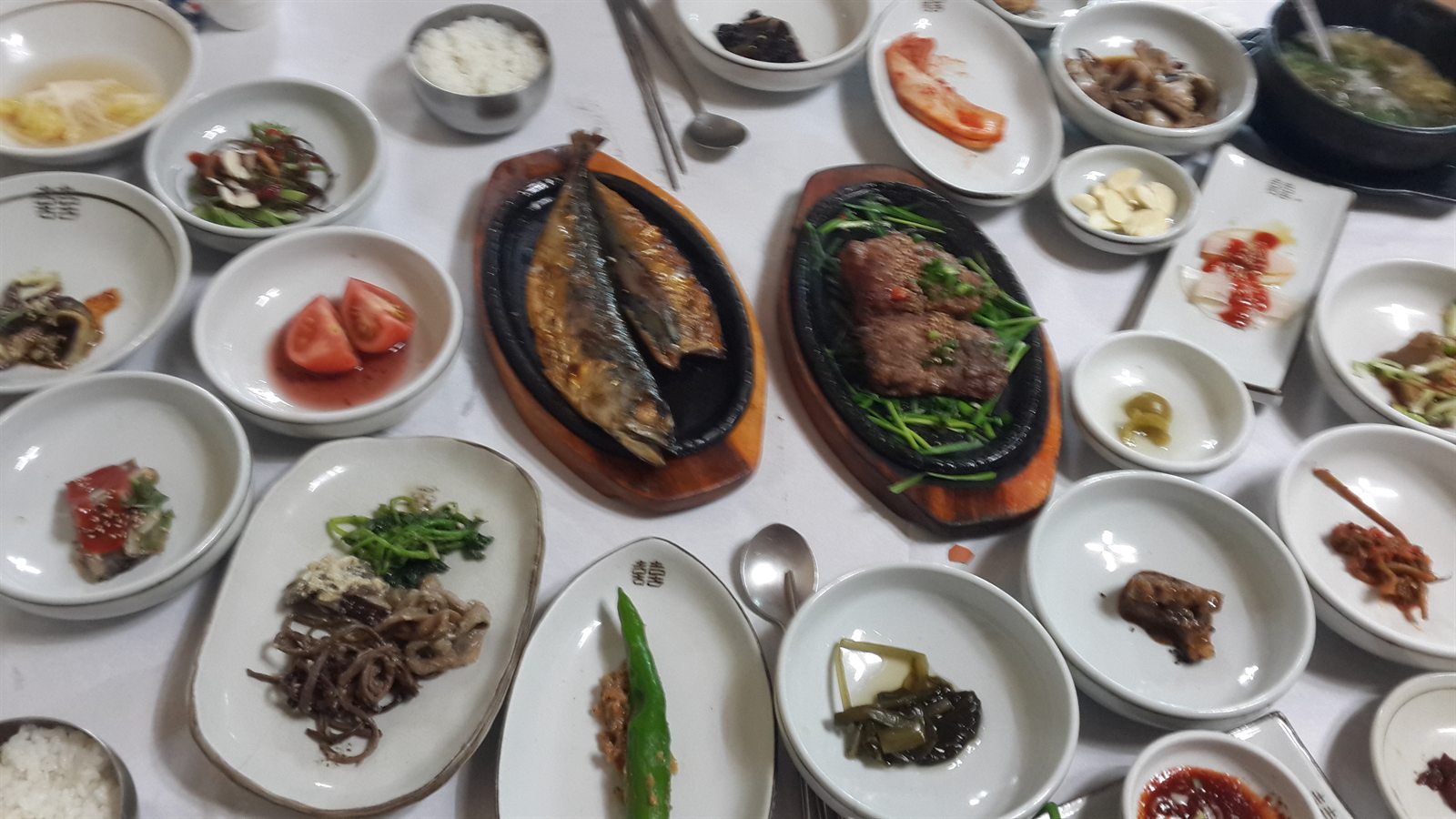
Traditional Korean table with rice, stew, banchan, and shared dishes
First pantry bowl

Rice, seaweed, sauce, and one warm cup

A first Korean pantry feels natural when it begins with one small table: rice or noodles, crisp seaweed, a spoon of sauce, sesame or tea, and a food that can repeat next week.

This is the low-friction moment for someone who wants K-food at home without learning a long recipe or building a full pantry at once.

The table logic comes from everyday hansik structure: rice as base, banchan nearby, sauces for direction, and tea or sweets as a quiet finish.

  • Rice base
  • Sauce bowl
  • Tea pause
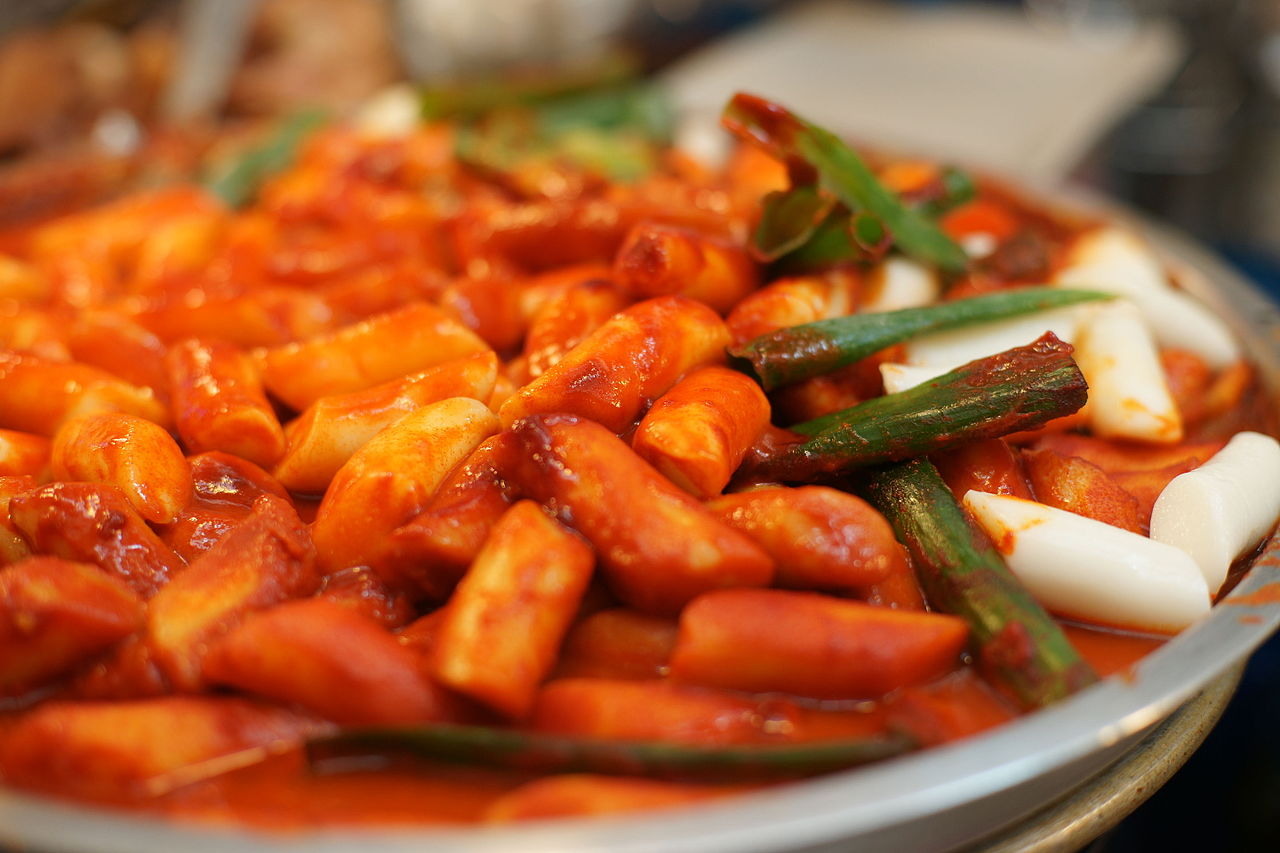
Korean tteokbokki rice cakes in red sauce with scallions
Street-food heat

Tteokbokki sauce before the brand question

The craving is usually sauce first: spicy-sweet, glossy, warm, and easy to imagine with rice cakes, noodles, fried snacks, vegetables, or a small late-night bowl.

This is the moment created by short videos, restaurant memories, and after-work comfort when someone wants the flavor before they know the exact item.

The deeper context is Korean sauce culture: gochujang, dipping bowls, rice, vegetables, shared plates, and side dishes carrying heat across a table.

  • Spicy-sweet
  • Sauce texture
  • Rice cakes
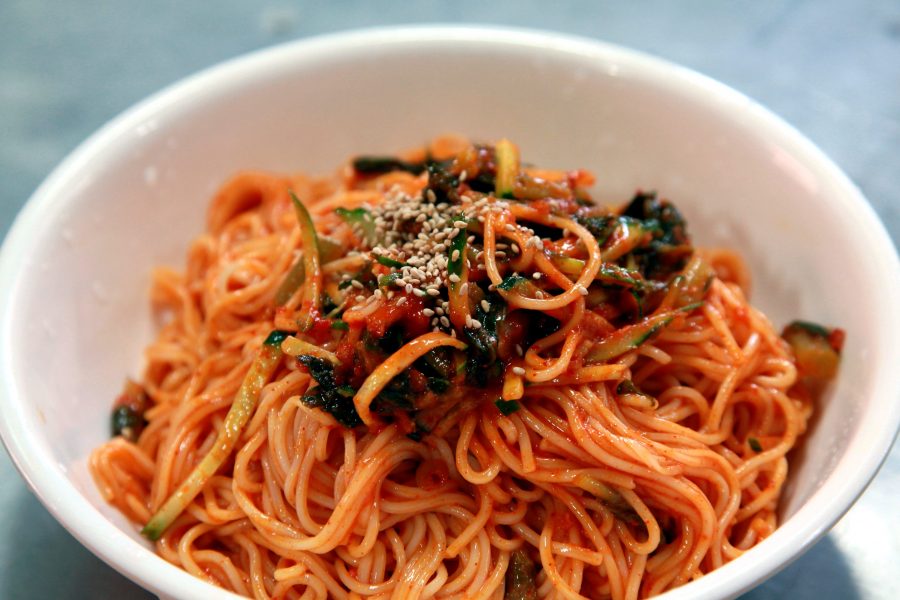
Korean spicy noodle bowl with sesame, vegetables, and red sauce
Noodle night

Fast bowls with different meal moods

A noodle night can be spicy broth, black-bean comfort, cold summer bite, or quick rice-bowl fallback. The useful path is meal mood, not one generic ramen idea.

This is the high-recognition K-food moment: simple enough for a weeknight, but still shaped by heat level, toppings, portion count, and preparation style.

Korean noodle context also touches stored sauces, wheat and starch textures, cold serving habits, broths, rice sides, and seasonal table rhythms.

  • Heat level
  • Comfort bowl
  • Preparation

Atlas path

Follow ingredient, place-story, and table-role cues.

These paths keep the guide close to flavor, context, and serving use before any specific food page.

Open K-food Atlas

Texture check

Watch the heat, sauce, and table role.

3 short clips

Motion makes the choice easier to imagine: pan heat, shared grill, stew bubbles, and the food that belongs beside rice.

Kimchi jjigae

Kimchi stew at the table

A short boil shows why kimchi jjigae sits between pantry comfort, banchan, tofu, pork, and rice.

  • Stew heat
  • Tofu and kimchi
  • Rice-table comfort
Commons source · CC BY-SA 4.0
Korean barbecue

Korean barbecue table sizzle

For nights when the craving is shared: grill heat, vegetables, dipping sauce, and rice all belong in the same meal.

  • Shared grill
  • Wraps and rice
  • Sauce bowl
Commons source · CC BY-SA 4.0
Bulgogi

Bulgogi in the pan

Thin slices, sweet-savory sauce, and fast heat make bulgogi easy to picture as a rice-bowl or wrap night.

  • Pan heat
  • Sweet-savory sauce
  • Rice-bowl cue
Commons source · CC BY-SA 4.0

More ways to picture it

The food makes more sense in context.

3 visual cues
Eumsik Dimibang Korean cookbook cover from a public-domain image
Historic source

Eumsik Dimibang source board

A public-domain cookbook cover image that supports source-backed pantry, rice-cake, noodle, fermentation, and historic food context.

  • 17th-century source
  • Pantry history
  • No full recipe copying
Traditional Korean hanjeongsik table with banchan, rice, stew bowls, kimchi, and shared dishes
Traditional K-food

Traditional hansik table board

A table-culture visual for banchan, rice, stew, fermented sauce context, tea pairings, and traditional sweet guides.

  • Banchan context
  • Fermented pantry cues
  • Gift and tea pairing
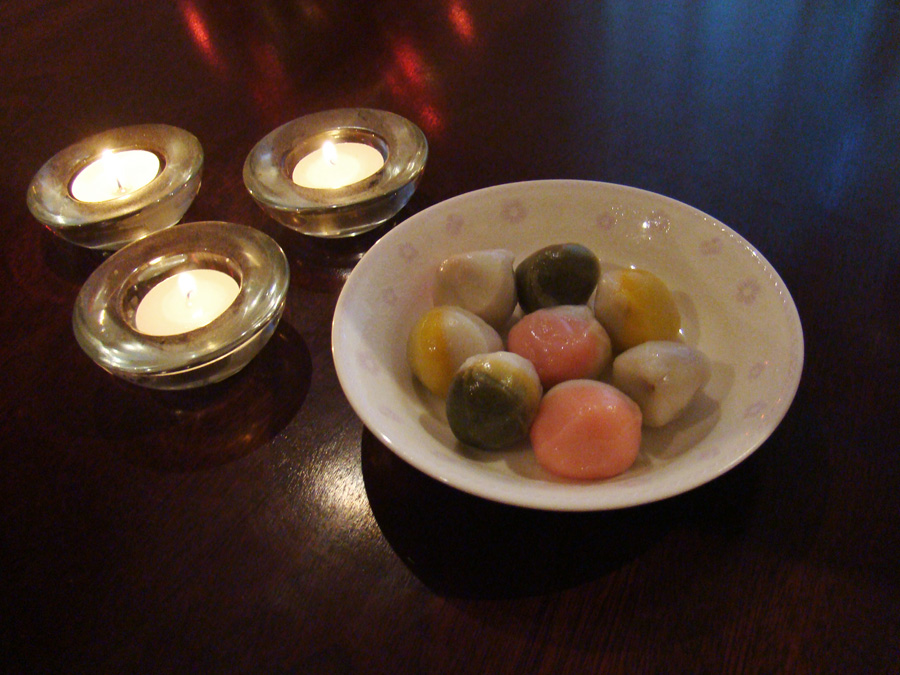
Colorful Korean songpyeon rice cakes on a plate
Holiday sweet

Songpyeon rice-cake board

A songpyeon visual for rice-cake texture, holiday sweets, tea pairing, and heritage context.

  • Rice cake
  • Holiday cue
  • Tea pairing

Heritage gives context, not product proof

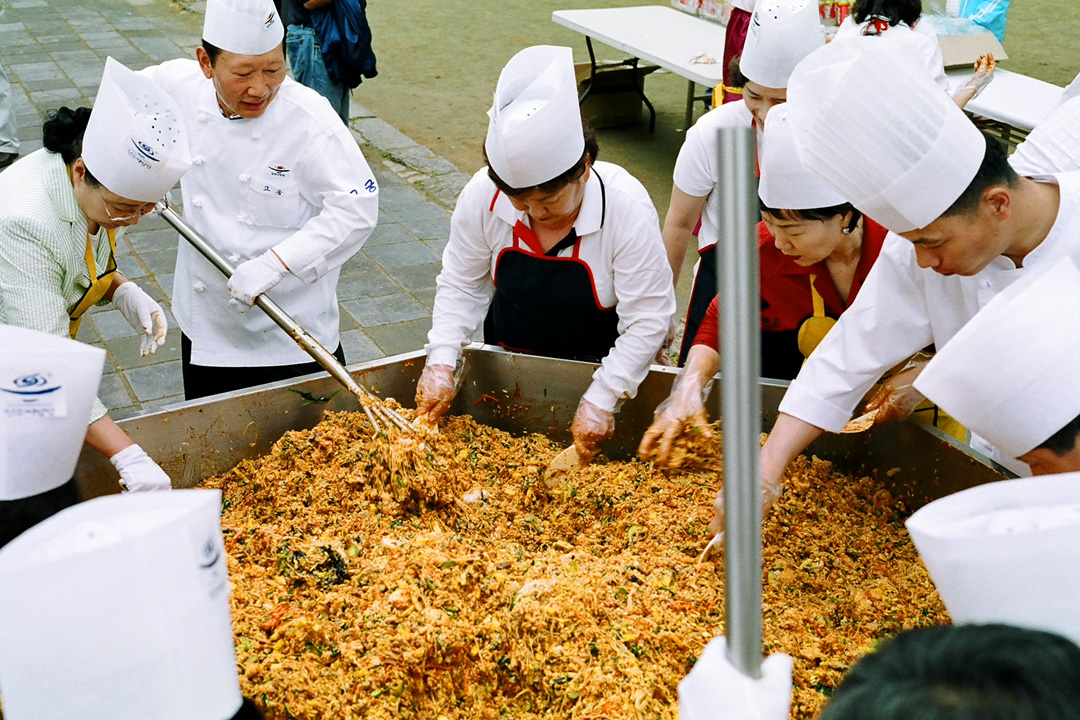
Royal cuisine and old cookbooks give KFoodHunter a way to explain table order, preparation habits, seasonal thinking, rice culture, sauces, sweets, and tea pairings. A modern packaged sauce, snack, or dessert stays separate from a court dish unless a product-specific source proves the connection.

Turn the table into food families

A royal-table story can become a practical browsing map: rice and grains as the meal base, sauces as flavor structure, sesame oil as a finishing cue, banchan as side-dish context, tea as a serving ritual, and sweets as giftable or dessert ideas.

Let Eumsik Dimibang widen the pantry story

Eumsik Dimibang is useful because it points beyond trend-driven K-food into stored foods, noodles, rice cakes, meat, seafood, fermentation, and everyday kitchen knowledge. That makes it a source-backed path for explaining why pantry categories are deeper than instant snacks alone.

Food angle

Pause in the middle and choose the next food angle.

Borrow the logic, not the ceremony

A modern shopper does not need to recreate a palace meal. The useful idea is structure: rice as the base, sauces as flavor direction, small dishes as variety, tea as a pause, and sweets as a finishing moment. That structure makes packaged pantry foods feel less random.

Make old sources practical

Historic sources help when they explain why a category exists. Stored foods point toward pantry readiness, rice cakes point toward texture and occasion, fermented sauces point toward depth of flavor, and tea pairings point toward slower dessert choices. The history creates context without becoming a product claim.

Use banchan as the organizing idea

Banchan makes the modern pantry less random because it gives small foods a place beside rice. Seaweed, sauces, sesame oil, vegetables, pickled flavors, and small sweets do not need to become court cuisine; they can borrow the idea of variety, balance, and repeatable table rhythm.

Let rice cakes carry texture history

Rice cake references help explain why chewy, steamed, pan-fried, or sweet textures matter in Korean food. A modern packaged sweet or mix can stay modern while the guide uses rice cake history to explain softness, ceremony, tea pairing, and seasonal memory.

Place tea after the meal

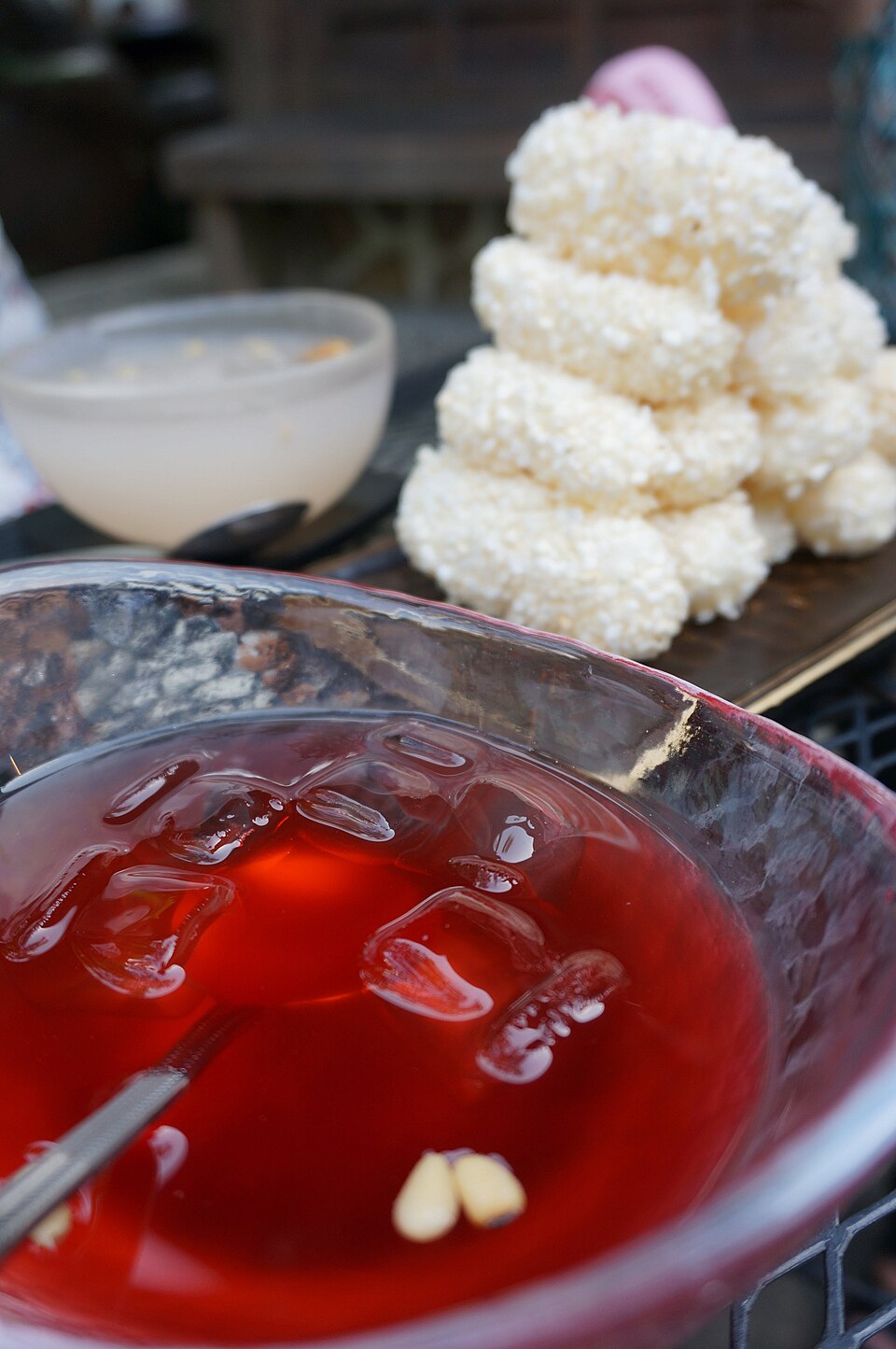
Tea gives the heritage guide a quiet ending. Barley tea, fruit tea, omija, and simple warm cups can sit after rice, sauce, and banchan as a serving pause. The value is flavor, temperature, and table order, not wellness language or historic certification.

Let modern packaging stay modern

A jar, pouch, snack bag, tea bag, or dessert box can carry a traditional flavor cue without becoming a historic dish. Clear language keeps the packaged product in the present while still giving shoppers enough table culture to understand why the flavor belongs.

Keep the modern food choice simple

For English-speaking food shoppers, start with legible product families: gochujang, ssamjang, roasted sesame oil, mixed-grain rice, barley tea, yakgwa, and red bean jelly. Heritage adds confidence and texture while the page remains easy to scan.

Layer the media

The right visual mix is a traditional table photo for cultural depth, modern food photography for appetite, Mixboard packaging scenes for export preparation, and open-license museum or archive material only when attribution and usage terms are clear.

Separate buyer signals from heritage storytelling

If a buyer reacts to heritage-driven content, the next step is still category, market, channel, volume, label, and product documents. Historic context can help explain demand, but it does not replace import review, supplier qualification, or regulatory work.

Source materials

Historic sources behind this guide

Korean royal court cuisine table display with brass bowlsJoseon royal protocols

Royal cuisine and Uigwe context

Best for traditional hansik explainers, premium gift sets, table-culture content, and export storytelling with clear source boundaries.

Royal cuisine adds context around banquets, service order, ingredient preparation, seasonal table setting, and ceremonial food culture.

Source: Korea.net / Preserving Royal Cuisine
Public-domain image of the Eumsik Dimibang cookbook cover17th-century cookbook

Eumsik Dimibang as a pantry-history anchor

Best for guides that explain why Korean pantry routes are deeper than modern snack trends.

This Joseon-era cookbook gives source-backed context for stored foods, fermented foods, noodles, rice cakes, meat, seafood, and practical kitchen knowledge without copying full recipes.

Source: Korea.net / Eumsik Dimibang feature
Mid-Joseon food record

Jeungpyeon and fermented rice-cake routes

Best for sweets, beverage mix, tea pairing, giftable categories, and claim-safe fermentation notes.

Historic rice-cake records can turn sweets and beverage-adjacent content into preparation, seasonality, fermentation, and gifting stories.

Source: Korea.net / Jeungpyeon rice wine cake

Guide value

Why this guide is useful

Food need

What this clarifies

Give the Korean pantry, sauce, tea, and sweet paths a richer heritage-backed entry point without asking anyone to read a full recipe archive.

Category bridge

Food categories connected here

Connect royal-table context and old cookbook material to sauce, pantry, tea, beverage, and sweet category hubs through practical serving occasions.

Buyer questions

When sourcing becomes serious

Treat buyer interest as a signal for category and presentation quality only after market, channel, volume, label, and document questions are separated.

Responsibility note

What stays separate

Historic source references can support context, while product-specific retailer references stay separate until item matching and disclosure are clear.

Related categories

Food categories connected to this guide

Category notes

Food moments behind this guide

Sauces

Rice bowls, barbecue nights, and vegetable wraps

Decide whether the product is a dip, finishing sauce, marinade, cooking base, or multipurpose condiment.

Is the demand retail, foodservice, meal-kit, private-label, or online grocery?

Pantry

Korean pantry starter kits and rice-bowl routines

Identify the pantry role: meal base, dry mix, finishing cue, rice add-on, or seasoning shortcut.

Does the product fit retail pantry, demo event, online grocery, office meal, or subscription box?

Tea

Daily hot or iced beverage rituals

Choose by serving ritual: hot cup, iced pitcher, cafe-style drink, gift jar, or office pantry routine.

Is the channel tea aisle, cafe retail, gift set, online grocery, or office supply?

Sweets

Tea pairing, gift boxes, and party samplers

Choose by texture and occasion: cookie, jelly, candy, traditional sweet, tea pairing, or party novelty.

Is the buyer looking for gift sets, dessert aisle, novelty retail, event merchandise, or cultural boxes?

Food guides

Food ideas mentioned in this guide

Sauces

Gochujang Sauce Guide

A practical sauce lane for a direct flavor upgrade and buyers screening Korean condiment demand.

Best when a plain meal needs one clear flavor move before a brand choice matters.

TasteCondiment: Heat, sweetness, garlic, sesame, or barbecue gloss turns a plain meal into the moment.

TableBelongs next to rice, noodles, grilled food, fried snacks, or a dipping bowl.

Next biteStart with the job: dip, drizzle, marinade, stir-fry, or rice-bowl lift.

  • Condiment
  • Pantry staple
  • Recipe bridge
Sauces

Ssamjang Dipping Sauce Guide

A dipping-sauce guide that helps consumers understand Korean barbecue and vegetable-pairing occasions.

Best when a plain meal needs one clear flavor move before a brand choice matters.

TasteDipping sauce: Heat, sweetness, garlic, sesame, or barbecue gloss turns a plain meal into the moment.

TableBelongs next to rice, noodles, grilled food, fried snacks, or a dipping bowl.

Next biteStart with the job: dip, drizzle, marinade, stir-fry, or rice-bowl lift.

  • Dipping sauce
  • BBQ context
  • Vegetable pairing
Pantry

Roasted Sesame Oil Guide

A finishing-oil guide for explaining Korean pantry building through a small, repeatable cooking cue.

Best when a shopper wants one useful pantry shortcut that can repeat across several meals.

TastePantry staple: Savory seasoning, rice add-ons, and dry mixes make repeat meals easier.

TableLives beside rice, eggs, soup, vegetables, noodles, and weekend cooking.

Next biteLook for the habit role: base, topping, seasoning, or quick side.

  • Pantry staple
  • Finishing oil
  • Recipe bridge
Pantry

Mixed Grain Rice Guide

A grain-pantry guide for building Korean meal habits around rice and simple side dishes.

Best when a shopper wants one useful pantry shortcut that can repeat across several meals.

TasteGrain pantry: Savory seasoning, rice add-ons, and dry mixes make repeat meals easier.

TableLives beside rice, eggs, soup, vegetables, noodles, and weekend cooking.

Next biteLook for the habit role: base, topping, seasoning, or quick side.

  • Grain pantry
  • Meal base
  • Shelf-stable
Tea

Barley Tea Bag Guide

A tea-bag guide for a simple Korean beverage ritual without wellness positioning.

Best when the food moment is slower: a warm cup, an iced pitcher, or a small dessert pairing.

TasteTea bag: Roasted grain, citrus, honeyed sweetness, or clean aroma sets the pace.

TablePairs with rice crackers, yakgwa, breakfast, office cups, or quiet dessert.

Next biteChoose hot, iced, sweet, or roasted before comparing serving count.

  • Tea bag
  • Daily ritual
  • Low-prep
Sweets

Yakgwa Cookie Guide

A traditional sweet guide for Korean dessert formats beyond candy and chocolate.

Best when a small dessert or gift needs texture clarity before any listing comparison.

TasteTraditional sweet: Chewy, crisp, syrupy, jelly-like, or tea-paired texture leads the choice.

TableFits tea trays, party bowls, coffee tables, lunchbox treats, and gift shelves.

Next biteChoose texture and sweetness first, then compare pack format.

  • Traditional sweet
  • Giftable
  • Dessert context
Sweets

Red Bean Jelly Guide

A portioned dessert guide for Korean sweets in a shelf-stable, shareable format.

Best when a small dessert or gift needs texture clarity before any listing comparison.

TastePortioned dessert: Chewy, crisp, syrupy, jelly-like, or tea-paired texture leads the choice.

TableFits tea trays, party bowls, coffee tables, lunchbox treats, and gift shelves.

Next biteChoose texture and sweetness first, then compare pack format.

  • Portioned dessert
  • Giftable
  • Shelf-stable

Food scene bridge

Keep the guide grounded in taste, place, and table use.

3 scene cues

Detail continuations

Keep moving by taste, place, and table role.

The article can continue as a food angle before it becomes a form, sourcing note, or exact item comparison.

5 calm paths

Next step

Move from craving to the right food question.